Lalan Singh visits Sikkim's Ridge Park Orchidarium
Synopsis
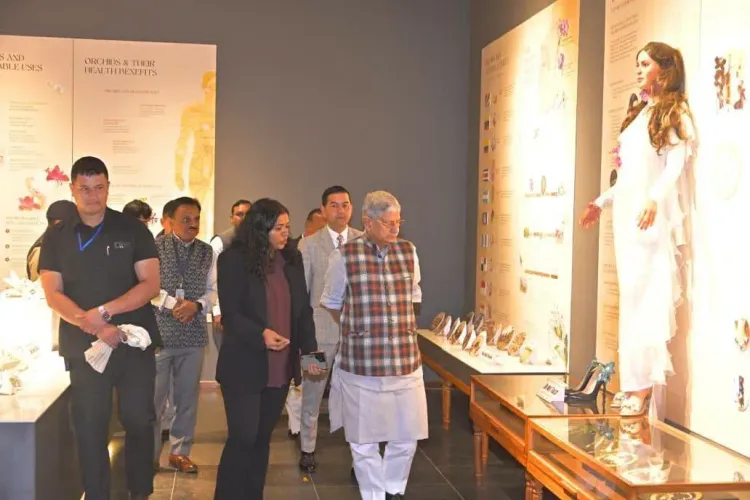
Union Minister Rajiv Ranjan Singh toured Sikkim's Ridge Park Orchidarium on November 3, 2026, praising the facility's rare orchid conservation and calling it an exemplary model of eco-tourism that blends nature protection with sustainable tourism development.
Key Takeaways
Union Minister Rajiv Ranjan Singh visited the Ridge Park Orchidarium in Sikkim on November 3, 2026 .
The orchidarium conserves and displays diverse and rare orchid species , reflecting Sikkim's rich botanical heritage.
Singh described it as a 'commendable example of the coordination between nature and tourism.' Sikkim has been a long-standing leader in eco-tourism and sustainable development in the eastern Himalayas, including achieving 100 per cent organic farming status in 2016 .
The visit signals potential alignment between Central government interest and Sikkim's biodiversity-linked tourism priorities.
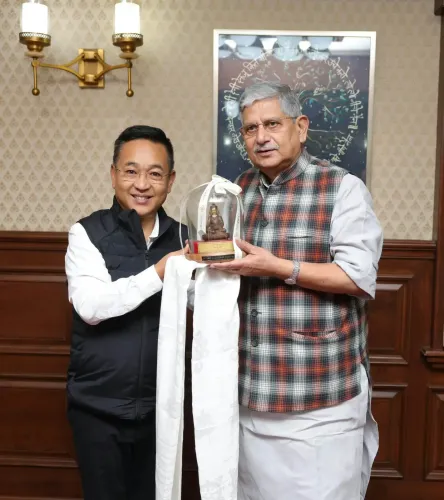
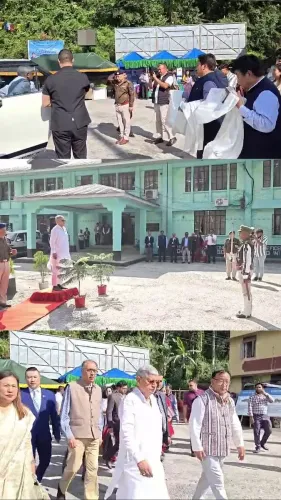
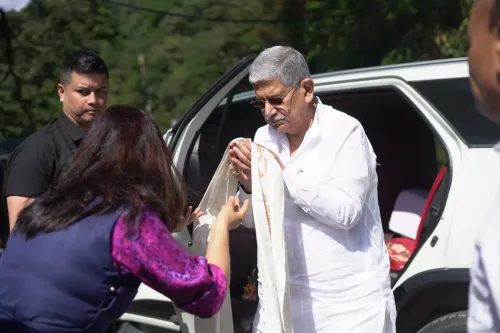
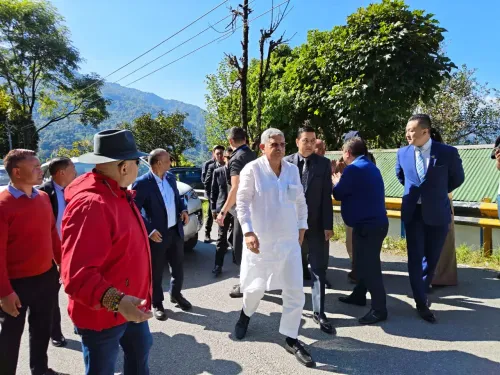
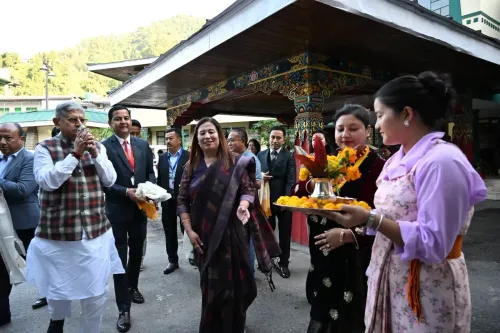
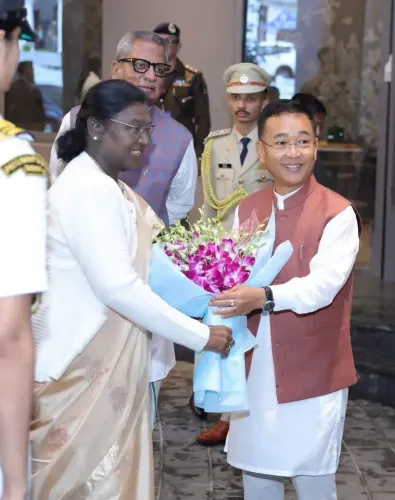
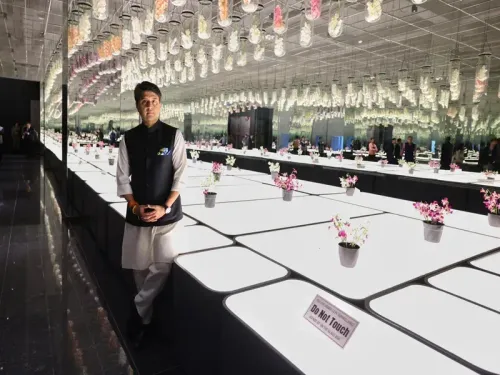
Tucked into the misty Himalayan folds of Sikkim, a greenhouse full of rare orchids just got a high-profile visitor — and a moment in the national spotlight. Union Panchayati Raj and Fisheries Minister Rajiv Ranjan Singh toured the Ridge Park Orchidarium on Tuesday, November 3, 2026, calling it an admirable example of how nature and tourism can work in harmony.
Posting on X with photographs from the visit, the Minister wrote in Hindi: 'आज सिक्किम में जैव विविधता संरक्षण और ईको-टूरिज्म को बढ़ावा देने के महत्वपूर्ण केंद्र रिज पार्क ऑर्किडेरियम का दौरा किया' — 'Today I visited the Ridge Park Orchidarium, an important centre for promoting biodiversity conservation and eco-tourism in Sikkim.' He noted that the conservation and display of diverse and rare species here reflects Sikkim's rich botanical heritage and its commitment to environmental protection, tagging @sikkimgovt in the post.What makes the Ridge Park Orchidarium stand out
The Ridge Park Orchidarium in Sikkim is dedicated to the conservation and public display of rare and diverse orchid species — a living archive of the state's extraordinary floral wealth. Sikkim sits at the confluence of several biogeographic zones in the eastern Himalayas, making it one of India's most species-rich states. Orchids, in particular, are emblematic of that richness, with the region hosting hundreds of native varieties, many of them found nowhere else on earth.
The orchidarium functions as both a conservation facility and a public attraction — a model that successive Sikkim governments have championed to protect endemic flora while drawing sustainable tourism revenue. Singh's description of it as 'prakriti aur paryatan ke samanvay ka ek sarahniya udaharan' ('a commendable example of the coordination between nature and tourism') aligns squarely with that vision.
Sikkim's eco-tourism model and the Centre's interest
Sikkim has long positioned itself as a pioneer of low-impact, high-value tourism in the Indian Himalayas. Its 100 per cent organic farming status — achieved in 2016 — put it on the global sustainability map, and investments in biodiversity-linked tourism have followed that trajectory. Sites like the orchidarium represent the state's attempt to turn its ecological inheritance into a durable economic asset without degrading the very resource it depends on.
When a Union Minister makes a point of visiting — and publicly praising — such a facility, it signals more than personal appreciation. It signals alignment: between state priorities and Central interest, between conservation goals and tourism policy. Whether that alignment translates into dedicated funding or a broader push for similar orchid conservation infrastructure across Himalayan states is the question worth watching.
Point of View
And endorsement from a senior NDA minister adds political capital to that strategy. For the JD(U), which holds the Panchayati Raj and environment-adjacent portfolios, associating with frontier conservation models in the Northeast also reinforces the alliance's green governance credentials ahead of any future federal budget cycles where Himalayan ecology funding will be contested.
NationPress
3 Nov 2026
Frequently Asked Questions
What is the Ridge Park Orchidarium in Sikkim?
The Ridge Park Orchidarium is a facility in Sikkim dedicated to the conservation and public display of rare and diverse orchid species. It serves as both a botanical conservation centre and an eco-tourism attraction, showcasing Sikkim's rich floral heritage.
Why did Union Minister Rajiv Ranjan Singh visit Sikkim?
Union Minister Rajiv Ranjan Singh visited Sikkim on November 3, 2026, and toured the Ridge Park Orchidarium, praising it as an admirable model of biodiversity conservation and eco-tourism. The visit highlights Central government interest in Sikkim's sustainable tourism efforts.
What is Sikkim known for in terms of environment and biodiversity?
Sikkim is one of India's most biodiverse states, situated in the eastern Himalayas. It is home to hundreds of native orchid species and became the world's first fully organic state in 2016. It is widely recognised as a model for sustainable and eco-friendly tourism.
Who is Lalan Singh and which ministry does he head?
Lalan Singh, formally known as Rajiv Ranjan Singh, is a senior Janata Dal (United) leader and Union Minister of Panchayati Raj, Fisheries, Animal Husbandry and Dairying in the Indian government.
What is eco-tourism and why is it important for Sikkim?
Eco-tourism is low-impact tourism centred on natural environments and local conservation. For Sikkim, it is a key economic strategy that generates sustainable revenue while protecting its extraordinary Himalayan biodiversity, including rare orchid species and endemic flora.