CM Tamang Accompanies President Murmu at Sikkim Orchidarium
Synopsis
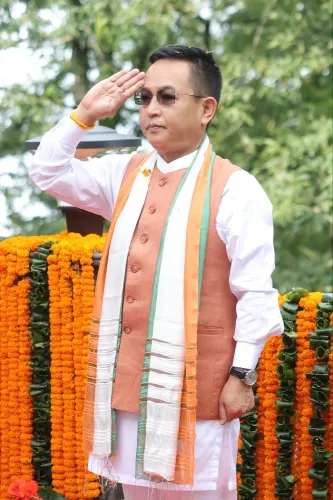
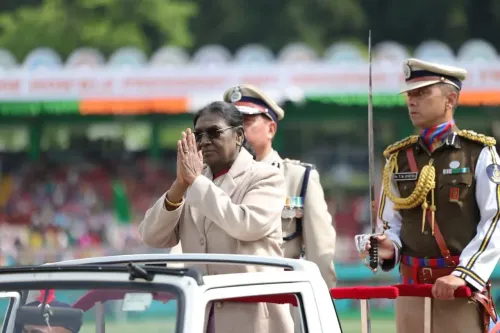
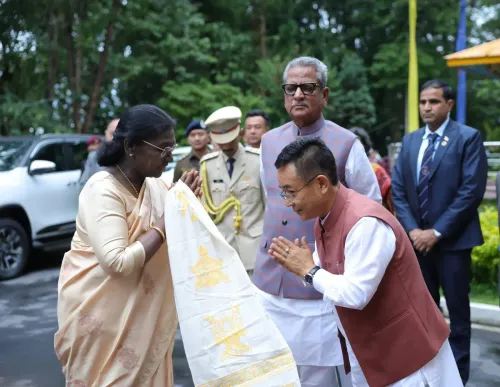
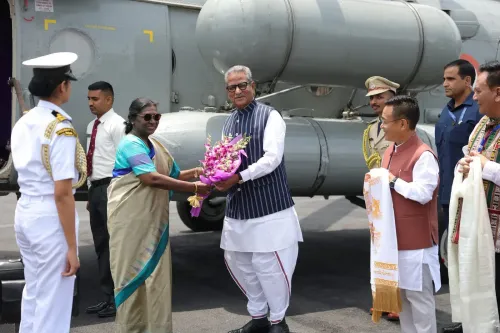
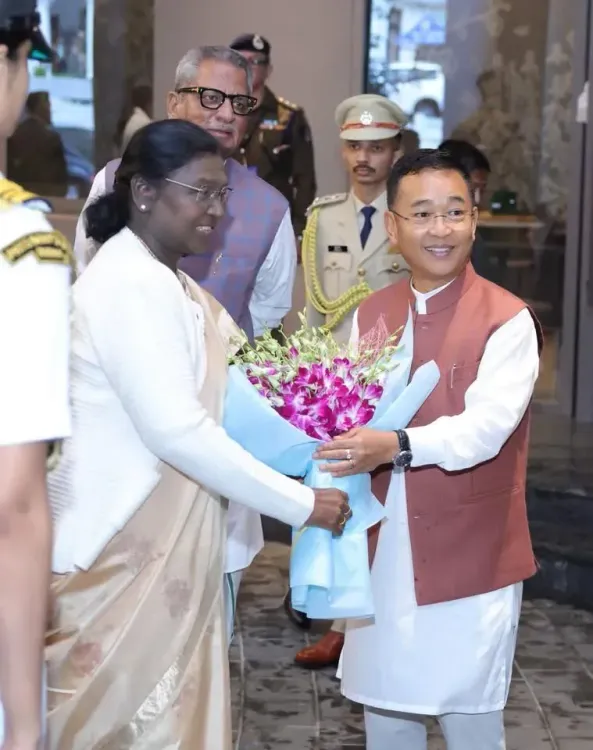
Sikkim Chief Minister Prem Singh Tamang accompanied President Droupadi Murmu at the Orchidarium in Ridge Park on 26 May 2026. The President praised the state's rare orchid collection and Himalayan ecosystem preservation, reinforcing Sikkim's standing as India's model for sustainable, conservation-led development.
Key Takeaways
CM Prem Singh Tamang accompanied President Droupadi Murmu at the Orchidarium, Swarnajayanti Maitreya Manjari, Ridge Park , on 26 May 2026 .
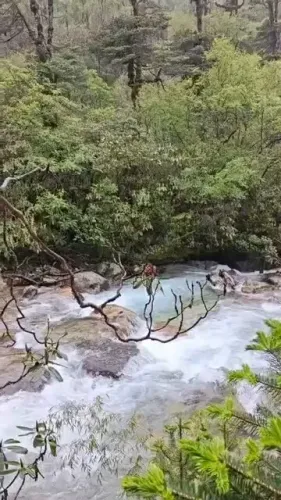
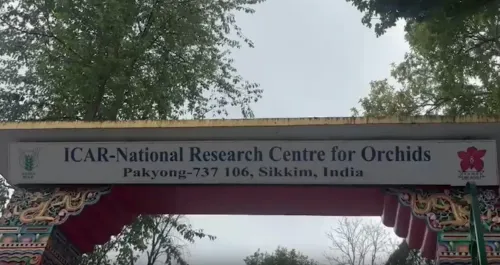
Sikkim hosts over 500 orchid species and is part of a globally recognised eastern Himalayan biodiversity hotspot.
The President appreciated the rare and indigenous orchid collection and acknowledged Sikkim's conservation efforts.
Sikkim became India's first fully organic state in 2016 , banning chemical inputs to protect soil and biodiversity.
The visit reinforces central government recognition of Sikkim's low-impact, nature-centric development model under the Sikkim Krantikari Morcha government.
Possible policy follow-through — including expanded funding for protected orchid sites — may emerge in upcoming budget or environment ministry reviews.
Sikkim Chief Minister Prem Singh Tamang accompanied President Droupadi Murmu on a visit to the Orchidarium at Swarnajayanti Maitreya Manjari, Ridge Park, on Tuesday, 26 May 2026, showcasing the state's rich floral heritage and its ongoing commitment to environmental conservation. The President appreciated the rare and indigenous orchid collection and acknowledged Sikkim's efforts in preserving its fragile Himalayan ecosystem.
Context
Sikkim is home to more than 500 orchid species, making it one of India's most significant floral biodiversity zones within the eastern Himalayan hotspot. The state government has established multiple orchid sanctuaries and biodiversity parks over the past two decades to protect indigenous flora from habitat loss and climate stress. CM Tamang, writing on X, described the occasion as 'an honour,' noting that the visit 'highlighted Sikkim's rich biodiversity and our continued commitment to environmental conservation and sustainable development.'
President Murmu, who has consistently emphasised ecological preservation during engagements with Himalayan and northeastern states since taking office in July 2022, is the first President from a tribal community — a background that has informed her public advocacy for nature-centric governance. Her appreciation at the Orchidarium underscores the national significance the central government attaches to Sikkim's conservation model.
Policy Backdrop
Sikkim was declared India's first fully organic state in 2016, banning chemical inputs across its agricultural and horticultural sectors to protect soil health and biodiversity. This certification placed the state at the forefront of low-impact development in ecologically sensitive Himalayan terrain, drawing international recognition and serving as a template for other hill states. The organic mandate directly supports the survival of indigenous orchid populations, which are acutely sensitive to chemical contamination and habitat degradation.
Under CM Tamang's leadership since 2019, green policy has remained a defining pillar of the Sikkim Krantikari Morcha government, with biodiversity parks and protected floral habitats receiving sustained administrative attention. Central-state engagements of this nature — including presidential visits to conservation sites — have historically reinforced national recognition of Sikkim's efforts within India's broader biodiversity and climate frameworks.
Stakeholders and Impact
The visit carries significance for Sikkim's eco-tourism sector, which depends on the state's reputation as a pristine, biodiverse destination. Operators, researchers, and local communities involved in sustainable tourism stand to benefit from the visibility that a presidential visit generates for the state's conservation credentials. Biodiversity researchers also gain from the institutional attention drawn to indigenous orchid preservation.
For residents of Sikkim, the presidential acknowledgement of the state's ecosystem stewardship reinforces the social contract around organic and conservation-first development. CM Tamang noted that 'such moments strengthen our resolve to promote sustainable progress while living in harmony with nature,' framing the visit as a reaffirmation of state policy direction rather than a ceremonial formality.
What's Next
Observers will watch for possible announcements on expanded central funding or the designation of new protected orchid sites, particularly during upcoming state budget sessions or reviews by the Union environment ministry. Presidential visits to conservation landmarks in sensitive ecological zones have in the past preceded policy-level follow-through, including enhanced grants under national biodiversity and green mission frameworks. Sikkim's ability to leverage this high-profile endorsement into concrete resource commitments will be closely watched by both environmental advocates and the state's tourism industry.
Point of View
The optics of escorting the President through a biodiversity showcase serve a dual purpose: reinforcing the SKM government's green credentials domestically while signalling to New Delhi that Sikkim merits continued support under national climate and biodiversity frameworks. The visit fits a broader pattern in which northeastern and Himalayan states use high-profile central engagements to secure recognition and, eventually, resources for conservation-linked development. Whether this translates into concrete policy outcomes — new protected areas, enhanced central grants — will determine its lasting significance beyond the symbolism.
NationPress
22 Sept 2026
Frequently Asked Questions
Why did President Droupadi Murmu visit Sikkim's Orchidarium?
President Murmu visited the Orchidarium at Swarnajayanti Maitreya Manjari, Ridge Park, to view Sikkim's collection of rare and indigenous orchids and acknowledge the state's efforts in preserving its Himalayan ecosystem. CM Prem Singh Tamang accompanied her during the visit on 26 May 2026.
How many orchid species does Sikkim have?
Sikkim is home to more than 500 orchid species, making it one of India's richest floral biodiversity zones within the eastern Himalayan hotspot. The state government has established orchid sanctuaries and biodiversity parks to protect these species.
When did Sikkim become India's first fully organic state?
Sikkim was declared India's first fully organic state in 2016, when it banned chemical inputs across agriculture and horticulture to protect soil health and biodiversity. This policy also supports the survival of indigenous orchid populations sensitive to chemical contamination.
Who is Prem Singh Tamang and what is his role in Sikkim's environment policy?
Prem Singh Tamang is the Chief Minister of Sikkim since 2019 and founder-president of the Sikkim Krantikari Morcha. Under his leadership, green policy and biodiversity conservation have remained central pillars of the state government's agenda.
What could follow from President Murmu's visit to Sikkim's conservation sites?
Observers expect possible announcements on expanded central funding or new protected orchid sites, potentially during upcoming state budget sessions or Union environment ministry reviews. Presidential visits to ecological landmarks in sensitive zones have historically preceded enhanced support under national biodiversity frameworks.