CM Tamang Accompanies President Murmu to Namgyal Institute
Synopsis
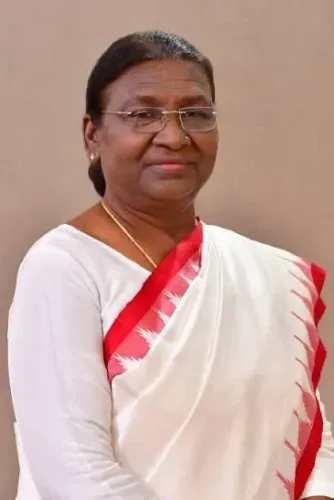
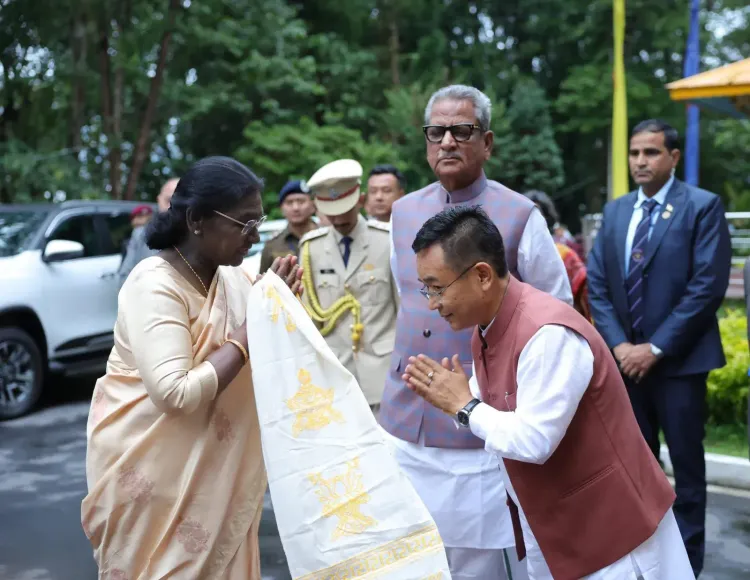
President Droupadi Murmu visited the Namgyal Institute of Tibetology in Gangtok on 26 May 2026, accompanied by Sikkim CM Prem Singh Tamang and Governor Om Prakash Mathur. The institute, founded in 1958, holds one of the world's largest collections of Tibetan Buddhist manuscripts outside Tibet.
Key Takeaways
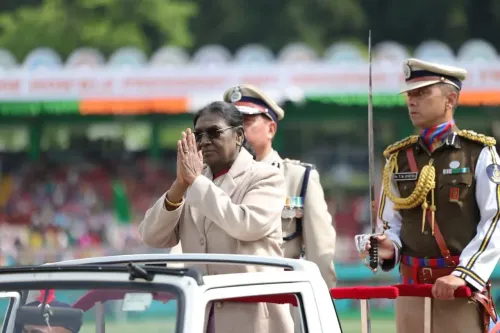
President Droupadi Murmu visited the Namgyal Institute of Tibetology at Deorali, Gangtok on the evening of 26 May 2026 .
CM Prem Singh Tamang and Governor Om Prakash Mathur accompanied the President during the visit.
The Namgyal Institute of Tibetology , established in 1958 , holds one of the largest collections of Tibetan Buddhist manuscripts and artefacts outside Tibet.
President Murmu appreciated the institute's rare manuscripts and artefacts, which reflect the cultural richness of the Himalayan region.
The visit aligns with India's broader emphasis on Buddhist heritage as a component of national identity and soft power in the Himalayan Northeast.
Possible follow-up outcomes include central grants for manuscript digitisation and museum upgrades at the institute.
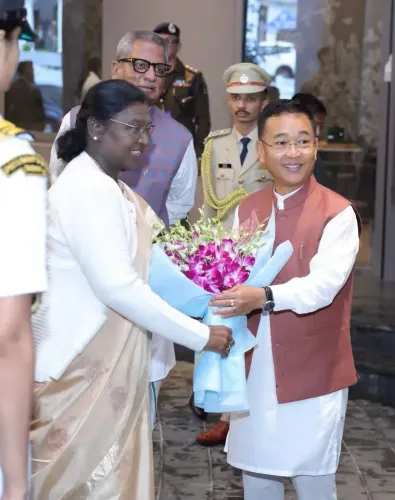
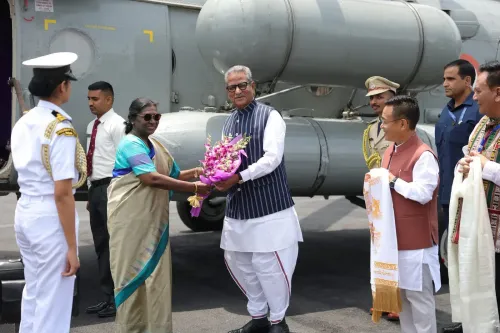
Sikkim Chief Minister Prem Singh Tamang accompanied President Droupadi Murmu and Governor Om Prakash Mathur on a visit to the Namgyal Institute of Tibetology at Deorali, Gangtok, on the evening of Tuesday, 26 May 2026. The Chief Minister described the occasion as 'a matter of immense pride,' noting that the visit underscored Sikkim's Buddhist heritage, cultural legacy, and spiritual traditions.
Context
The Namgyal Institute of Tibetology was established in 1958 by the then Chogyal of Sikkim and today holds one of the largest collections of Tibetan Buddhist manuscripts, thangkas, and artefacts outside Tibet. Following Sikkim's merger with India in 1975, the institute has continued its original mandate of collecting, preserving, and studying Tibetan Buddhist texts under state patronage. Its location in Gangtok, close to sensitive international borders, gives it significance beyond purely academic value.
President Murmu, who took office in July 2022 as India's first President from a tribal community, has made visits to regional cultural and heritage institutions a recurring feature of her state engagements. Governor Mathur joined the delegation in his role as the central government's representative in the state for ceremonial functions.
Policy Backdrop
Presidential and gubernatorial visits to cultural repositories in Himalayan states fit within India's broader post-2014 emphasis on showcasing Buddhist heritage as a pillar of national identity and soft power. Sikkim's institutions are regularly included in such circuits because of their direct historical links to Tibetan Buddhism. These engagements run parallel to central schemes promoting Buddhist heritage tourism in the Northeast, without altering the state's special constitutional protections under Article 371F.
Chief Minister Tamang noted that President Murmu 'appreciated the institute's invaluable collection of rare manuscripts and artefacts, which reflect the unique cultural richness of the Himalayan region.' The remark signals continued central-level interest in the institute's holdings and their broader symbolic value.
Stakeholders and Impact
The Sikkimese Buddhist community and heritage researchers are the primary stakeholders of the institute's work. A high-profile presidential visit lends visibility to ongoing preservation efforts and can catalyse funding conversations at the central level, including potential grants for manuscript digitisation and museum infrastructure upgrades.
For CM Tamang and the Sikkim Krantikari Morcha government, hosting the President at a landmark cultural institution reinforces the administration's stated focus on preserving Sikkim's heritage, values, and traditions for future generations — a theme Tamang has emphasised since assuming office in 2019.
What's Next
Observers will watch whether the presidential visit translates into concrete follow-up, such as state budget allocations or central ministry grants directed at the Namgyal Institute of Tibetology for digitisation projects or expanded public outreach. The visit also sets a precedent for including Sikkim's cultural institutions in India's Buddhist-circuit diplomacy and heritage tourism planning.
As Chief Minister Tamang put it, 'such visits inspire us to continue preserving and promoting Sikkim's heritage, values, and traditions for future generations' — a signal that the state government intends to leverage the presidential attention for longer-term institutional investment.
Point of View
The optics of escorting the President through one of Sikkim's most internationally recognised institutions strengthens his government's cultural-preservation credentials ahead of any future electoral cycle. The visit also keeps the institute in the frame for central funding, particularly for digitisation initiatives that align with the government's broader digital heritage push. Longer term, such high-profile endorsements could position Sikkim more prominently in India's Buddhist-circuit tourism and diplomacy agenda.
NationPress
19 Sept 2026
Frequently Asked Questions
What is the Namgyal Institute of Tibetology?
The Namgyal Institute of Tibetology is a research institution established in 1958 in Gangtok, Sikkim, that holds one of the largest collections of Tibetan Buddhist manuscripts, thangkas, and artefacts outside Tibet.
Why did President Droupadi Murmu visit Sikkim in May 2026?
President Droupadi Murmu visited Sikkim on 26 May 2026 and toured the Namgyal Institute of Tibetology in Gangtok, where she appreciated the institute's rare manuscripts and artefacts reflecting the cultural heritage of the Himalayan region.
Who accompanied President Murmu at the Namgyal Institute visit?
Sikkim Chief Minister Prem Singh Tamang and Governor Om Prakash Mathur accompanied President Droupadi Murmu during her visit to the Namgyal Institute of Tibetology.
What is Sikkim CM Prem Singh Tamang's party?
Prem Singh Tamang is the founder-president of the Sikkim Krantikari Morcha and has served as Chief Minister of Sikkim since 2019.
What collections does the Namgyal Institute of Tibetology hold?
The institute holds rare Tibetan Buddhist manuscripts, thangkas, and cultural artefacts, making it one of the most significant repositories of Tibetan Buddhist heritage outside Tibet.