Amit Shah Assures AP of Full Central Aid After Cyclone Murasu
Synopsis
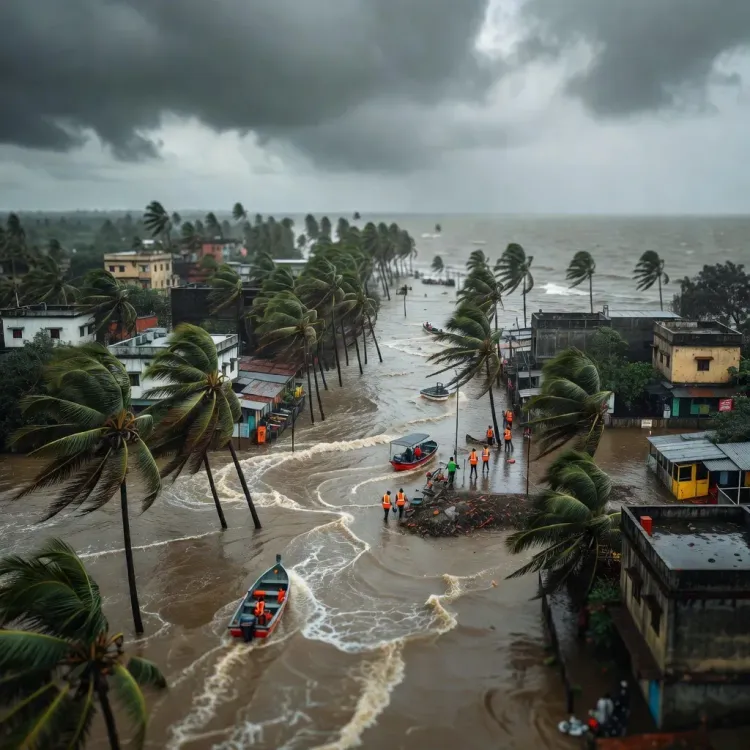
Union Home Minister Amit Shah called Andhra Pradesh CM Chandrababu Naidu on November 3, 2026 to assess Cyclone Murasu's damage and assured full central support. NDRF and SDRF teams are already deployed in affected areas as the Centre activates its disaster-response framework.
Key Takeaways
Amit Shah spoke directly with AP CM Chandrababu Naidu on November 3, 2026 about Cyclone Murasu 's impact.
The Centre has assured 'every possible assistance' to Andhra Pradesh.
NDRF and SDRF teams are already operational on the ground in affected areas.
The NDRF was constituted in 2006 under the Ministry of Home Affairs for specialised disaster response.
The National Disaster Management Act 2005 provides the legal framework for this Centre-state coordination.
Further central measures — including possible National Disaster Response Fund assistance — may follow pending damage assessments.
When a cyclone barrels into India's eastern coastline, the first calls between New Delhi and state capitals define how fast help reaches the ground. Union Home Minister Amit Shah spoke by phone with Andhra Pradesh Chief Minister Nara Chandrababu Naidu on Tuesday, November 3, 2026, taking stock of damage from Cyclone Murasu and committing the full weight of the central government to the state's relief effort.
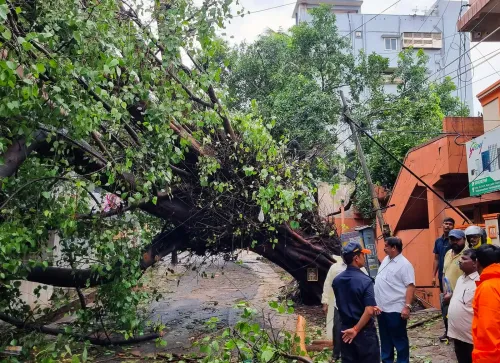
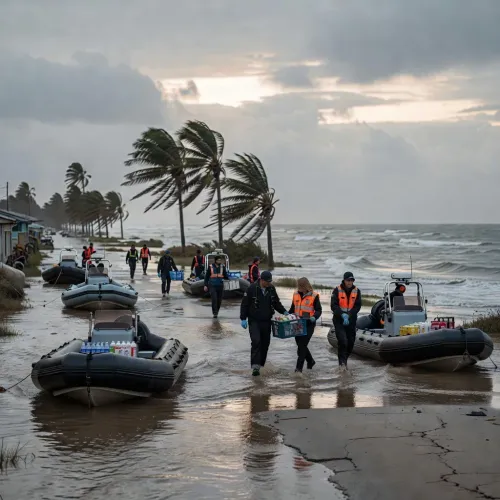
Shah confirmed that both the National Disaster Response Force (NDRF) and the State Disaster Response Force (SDRF) are already deployed in affected areas. 'NDRF and SDRF teams are already on the ground, helping those affected,' he wrote, adding that the Government of India 'stands with people with an unwavering resolve.' He also posted the assurance in Telugu, signalling direct outreach to the affected population.
NDRF on the Ground: What Deployment Means in Practice
The NDRF, constituted in 2006 under the Ministry of Home Affairs, is India's dedicated professional disaster-response arm — trained for precisely this scenario: search and rescue in inundated terrain, medical first response, and evacuation coordination. Its deployment is activated when a state formally requests central assistance or when the Home Ministry assesses the situation as beyond routine state capacity.
Andhra Pradesh, positioned along the Bay of Bengal, is one of India's most cyclone-exposed states. The legal backbone for central-state coordination in such crises is the National Disaster Management Act of 2005, which mandates a unified response chain running from the National Disaster Management Authority down through state and district levels. The deployment of NDRF teams alongside Andhra Pradesh's own SDRF units follows this well-established protocol.
Centre-State Coordination and What Could Follow
The Home Ministry's pattern in past Bay of Bengal cyclone seasons has been consistent: rapid central force deployment is typically the first move, followed by damage assessment, and then financial assistance under the National Disaster Response Fund (NDRF Fund) if losses cross defined thresholds. Shah's call with Chandrababu Naidu — a veteran administrator now serving a fresh term as CM — signals that the Centre-state coordination channel is open and active at the highest level.
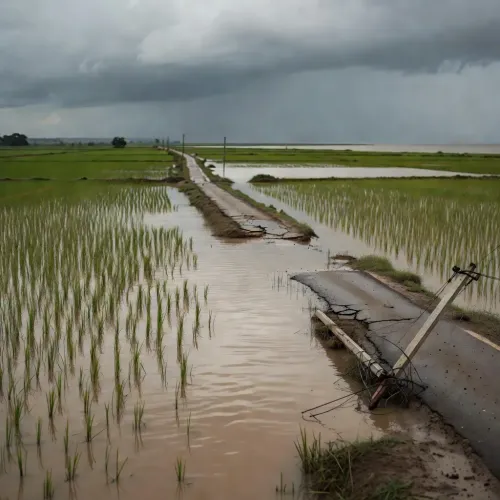
If preliminary assessments reveal extensive agricultural or infrastructure damage, the next step is typically a central team visit to survey losses and unlock ex-gratia payments or additional deployments. The pace of that escalation will depend on reports emerging from the field in the hours and days ahead.
For the residents of coastal Andhra Pradesh bracing in Cyclone Murasu's wake, the message from New Delhi is unambiguous: help is already there, and more is on standby.
Point of View
In English and Telugu, extends the reassurance directly to coastal communities rather than routing it purely through officialdom. If damage assessments escalate, the Centre faces the familiar pressure-test of translating verbal assurances into fast-tracked National Disaster Response Fund disbursements. The broader pattern reinforces how disaster response has become a visible arena where Centre-state relations — cooperative or contested — play out in real time for the public.
NationPress
3 Nov 2026
Frequently Asked Questions
What is Cyclone Murasu and which areas of Andhra Pradesh did it affect?
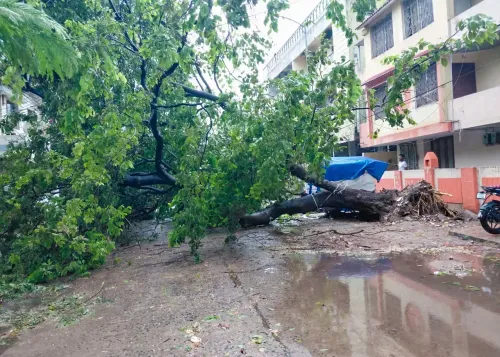
Cyclone Murasu struck Andhra Pradesh's coastline around November 3, 2026. Specific details on affected districts and damage figures are subject to ongoing official assessment; Union Home Minister Amit Shah called Chief Minister Chandrababu Naidu to get a firsthand account of the impact.
What central assistance has been promised to Andhra Pradesh after Cyclone Murasu?
Union Home Minister Amit Shah assured Chief Minister Chandrababu Naidu of 'every possible assistance' from the Centre. NDRF and SDRF teams have already been deployed on the ground, with potential National Disaster Response Fund financial aid contingent on damage assessments.
What does the NDRF do during a cyclone response?
The National Disaster Response Force, set up in 2006 under the Ministry of Home Affairs, conducts search and rescue, evacuation, and medical first response in disaster-hit areas. It is deployed to states at the Centre's direction when local capacity is overwhelmed.
What is the difference between NDRF and SDRF?
The NDRF is a central force under the Union Home Ministry deployed nationally during major disasters. The SDRF is a state-level force maintained by each state government for local disaster relief; the two typically operate together during large-scale events like cyclones.
What law governs India's disaster response coordination between the Centre and states?
The National Disaster Management Act of 2005 provides the legal framework for Centre-state coordination during disasters. It established the National Disaster Management Authority and mandates a unified response chain from the national to the district level.