Cyclone Aranab: Andhra CM Naidu briefs Amit Shah on widespread damage, seeks Central aid
Synopsis
Cyclone Aranab has inundated over 70,000 hectares of crops and battered power infrastructure across seven Andhra Pradesh districts. Chief Minister Chandrababu Naidu has gone directly to Home Minister Amit Shah — by phone and letter — demanding Central assessment teams and emergency funding. The speed of New Delhi's response will determine how quickly seven battered districts can begin to recover.
Key Takeaways
Chandrababu Naidu called Home Minister Amit Shah on 28 October 2026 to brief him on cyclone Aranab 's impact in Andhra Pradesh.
Agricultural crops across more than 70,000 hectares have been inundated; horticultural crops on 10,500 hectares also damaged.
Seven districts — Visakhapatnam, Konaseema, Kakinada, East Godavari, West Godavari, Eluru and Krishna — are the worst affected.
Naidu formally requested Central teams to assess losses at the earliest, a step required before NDRF funds can be released.
Residents from flood-prone and low-lying areas have been evacuated to relief shelters as heavy rainfall continues in the affected districts.
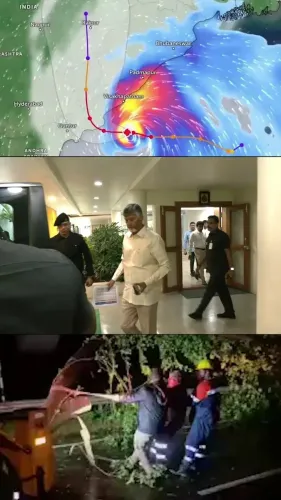
Andhra Pradesh Chief Minister N. Chandrababu Naidu on Wednesday, 28 October 2026, telephoned Union Home Minister Amit Shah to brief him on the 'extensive damage' caused by cyclone 'Aranab' across the state. Naidu sought immediate deployment of Central assessment teams and requested financial assistance for relief, rehabilitation, and restoration operations in the cyclone-hit districts.
Scale of Destruction
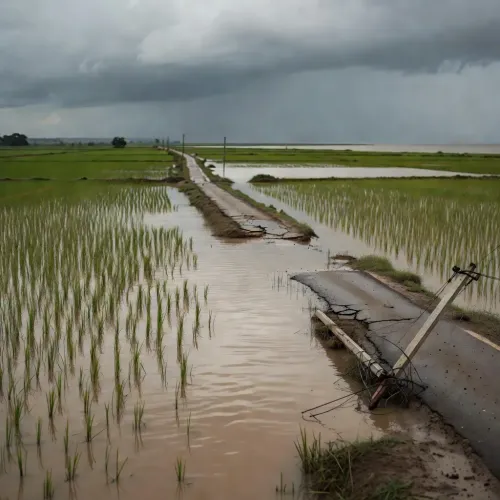
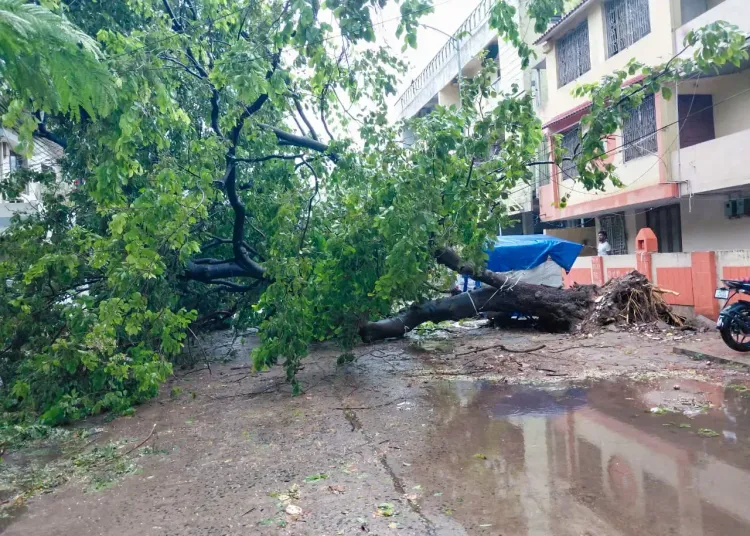
According to official figures shared during the call, agricultural crops across more than 70,000 hectares have been inundated statewide as a direct consequence of the cyclone. Horticultural crops spread over 10,500 hectares were also damaged, alongside significant losses to houses, roads, and electricity poles. The Chief Minister described the impact on power infrastructure and public assets as particularly severe.
Districts in the Crosshairs
Naidu briefed the Home Minister on ground conditions in the worst-affected districts: Visakhapatnam, Konaseema, Kakinada, East Godavari, West Godavari, Eluru, and Krishna. Heavy rainfall continued in these districts even as relief operations were under way, complicating the state government's restoration efforts. Residents from flood-prone and low-lying areas had been evacuated and moved to relief shelters ahead of the storm's peak.
What the CM Told the Home Minister
In a post on X, Naidu outlined the substance of the conversation. 'I explained the extensive damage caused by the cyclone, particularly to agricultural and horticultural crops, power infrastructure, roads and other public assets. I also apprised him of the ongoing heavy rainfall in cyclone-affected districts, the prevailing ground situation, and the extensive relief and restoration operations being undertaken by the State Government,' the Chief Minister said.
He added: 'In view of the widespread damage, I requested the Union Home Minister to depute Central teams at the earliest to assess the losses and extend financial assistance from the Government of India to support relief, rehabilitation and restoration efforts.'
Request for Central Teams and Financial Support
Ahead of Wednesday's call, Naidu had also written a formal letter to Amit Shah requesting the earliest possible deputation of a Central team to carry out on-ground damage assessment. Preliminary damage assessment reports are being compiled and dispatched to the Central Government, according to official sources. The state government has emphasised that the scale of destruction warrants Central intervention beyond what routine state disaster funds can cover.
What Comes Next
The deployment of Central assessment teams — typically from the Inter-Ministerial Central Team (IMCT) framework — would be a prerequisite for formally unlocking funds from the National Disaster Response Fund (NDRF). With agricultural losses alone spanning over 70,000 hectares, the financial claim is expected to be substantial. As restoration crews work to restore power and roads across seven districts, the pace of Central response will be closely watched by affected communities and opposition parties alike.
Point of View
But the scale here is notable: 70,000-plus hectares of cropland inundated is not a routine weather event. The real accountability question is how quickly the Inter-Ministerial Central Team is deputed and whether the eventual Central assistance matches assessed losses rather than historical averages. Andhra Pradesh, still rebuilding institutional capacity after the bifurcation era, is especially vulnerable to delays in NDRF disbursement. If Central teams are slow to arrive, the political fallout will land squarely on the BJP-TDP alliance dynamic — and Naidu will not stay quiet about it.
NationPress
28 Oct 2026
Frequently Asked Questions
What is cyclone Aranab and which areas of Andhra Pradesh did it hit?
Cyclone Aranab is a storm that struck Andhra Pradesh, causing extensive damage across seven districts: Visakhapatnam, Konaseema, Kakinada, East Godavari, West Godavari, Eluru, and Krishna. Agricultural crops on over 70,000 hectares were inundated, and power infrastructure, roads, and houses were also damaged.
Why did CM Chandrababu Naidu contact Home Minister Amit Shah?
Naidu contacted Shah to brief him on the scale of cyclone Aranab's damage and to formally request the deployment of Central assessment teams and financial assistance from the National Disaster Response Fund. A formal letter to this effect had also been sent ahead of the phone call.
How much agricultural land has been damaged by cyclone Aranab?
Preliminary assessments indicate that agricultural crops on more than 70,000 hectares have been inundated across Andhra Pradesh. Horticultural crops spread over 10,500 hectares have also been affected, according to figures shared by the Chief Minister's office.
What relief measures has the Andhra Pradesh government taken so far?
The state government has evacuated residents from flood-prone and low-lying areas and shifted them to relief shelters. Extensive restoration operations are ongoing, though continued heavy rainfall in the affected districts is hampering progress.
What happens after Central teams are deployed to Andhra Pradesh?
Once an Inter-Ministerial Central Team (IMCT) completes its on-ground assessment, the findings form the basis for the Centre to release funds from the National Disaster Response Fund (NDRF). Andhra Pradesh has already begun sending preliminary damage reports to the Central Government to expedite this process.