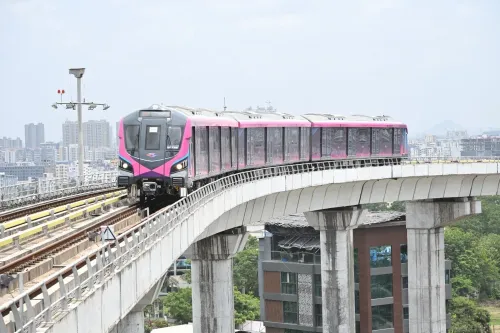
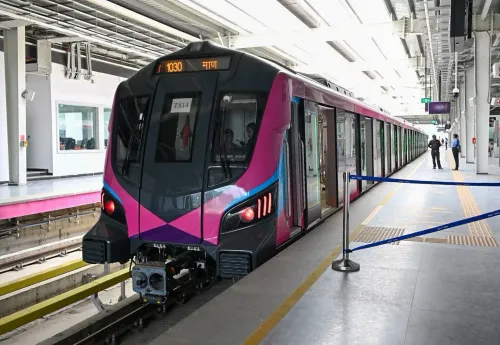
Pune Metro Pink Line: All-women crew, 30% solar power mark Line 3 launch
Synopsis
Pune's new Metro Pink Line isn't just another urban rail corridor — it comes with an all-women operating crew and a pledge to run 30% of its electricity on solar power. At ₹8,313 crore and 23.2 km, the PMRDA-built line connecting Hinjewadi IT Hub to Shivajinagar could set a new benchmark for green, inclusive urban transit in India.
Key Takeaways
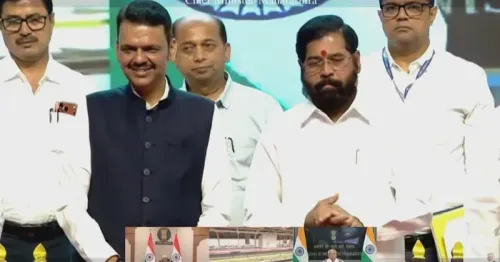
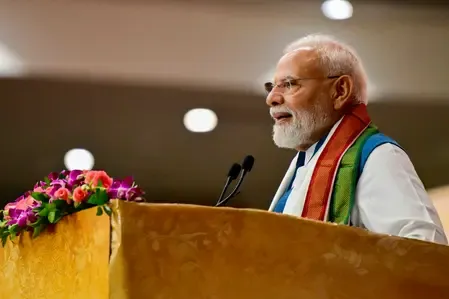
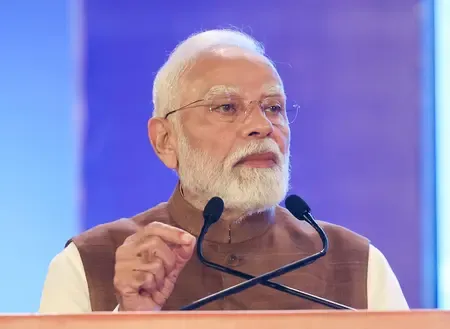
Pune Metro Line 3 (Pink Line), a 23.2-km elevated corridor with 23 stations , is set to be inaugurated by PM Narendra Modi .
The line will be operated entirely by an all-women train crew — a rare model in Indian urban rail.
Approximately 30% of the corridor's electricity needs are planned to be met through solar power .
The project, developed by PMRDA under a public-private partnership, is estimated to cost ₹8,313 crore .
The route connects Maan near Hinjewadi IT Hub to District Court station in central Pune, benefiting IT professionals, students, and daily commuters.
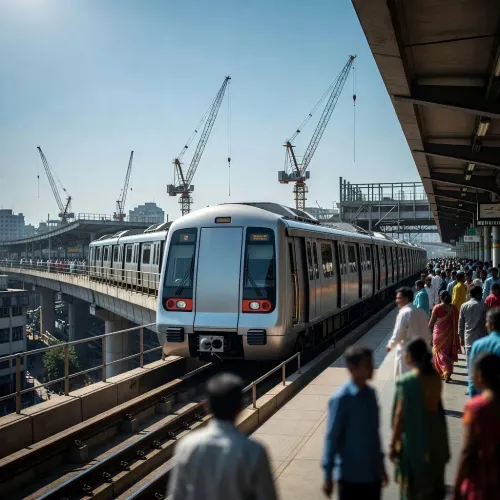
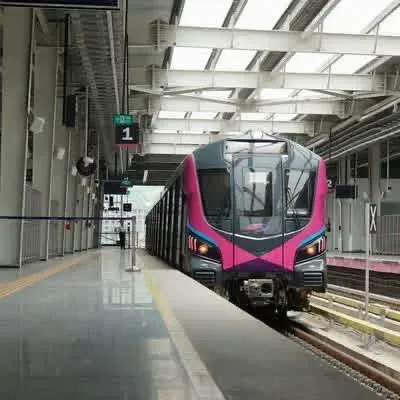
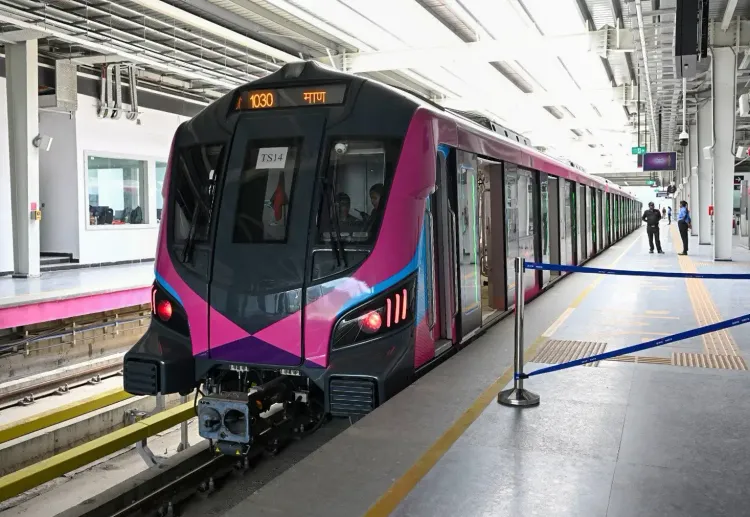
Pune Metro Line 3, also known as the Pink Line, is set to be inaugurated by Prime Minister Narendra Modi, bringing with it two standout features: an all-women train operating team and a plan to source 30% of its electricity requirements from solar power. The 23.2-km elevated corridor connects Maan near Hinjewadi to the District Court station in central Pune, spanning 23 stations and directly linking the city's major IT hub to its urban core.
Key Features of the Pink Line
Maharashtra Cabinet Minister Chandrakant Patil highlighted the corridor's emphasis on commuter convenience, women's empowerment, and environmental sustainability ahead of the inauguration. 'This 23-kilometre metro route, directly connecting Hinjewadi IT Hub to Shivajinagar, will make the daily commute of Pune's residents faster, easier, and more comfortable,' Patil said in a social media post.
He described the all-women operations model and the solar energy target as the defining attributes of the project. 'Handing over the responsibility of metro operations to women and planning to meet nearly one-third of the electricity needs through solar energy — these are the special features of this project,' he said.
Who Built It and What It Cost
The Pink Line has been developed by the Pune Metropolitan Region Development Authority (PMRDA) under a public-private partnership model, at an estimated cost of ₹8,313 crore. The corridor is expected to ease road congestion along one of Pune's most traffic-intensive stretches and offer a credible alternative to private vehicles for the thousands of IT professionals and students commuting to Hinjewadi IT Park daily.
Notably, the all-women operating crew model is rare in Indian urban rail, and the solar energy integration — if achieved at the projected 30% share — would place the Pink Line among the greener metro corridors in the country.
Political Response and Wider Context
BJP Bihar President Sanjay Saraogi called the inauguration a milestone in Maharashtra's infrastructure growth, linking it to India's broader economic trajectory. 'Infrastructure is being strengthened across the country. India has become the world's fifth-largest economic power and the fourth-largest military power. Cities are being developed, and metro services are being launched in new cities,' he said.
Bihar Minister Ram Kripal Yadav also praised the Centre's focus on multi-modal infrastructure, citing roads, bridges, metro corridors, and railway lines. He additionally targeted the Indian National Congress, alleging that corruption during its tenure had damaged public resources, though he did not cite specific cases.
Impact on Commuters and What Comes Next
The new corridor is expected to directly benefit students, corporate workers, and daily commuters travelling between Shivajinagar and Hinjewadi — a route currently prone to heavy traffic. Saraogi noted it would save 'the precious time and energy of Pune's lakhs of young travellers, from students to corporate workers.'
The inauguration is part of a wider push to expand Pune's metro network beyond its existing lines. With solar integration and an all-women crew now on the table, the Pink Line will be closely watched as a potential model for future urban transit projects across Maharashtra and beyond.
Point of View
But the harder question is whether they will be sustained beyond inauguration optics. India has a pattern of announcing green and gender-equity milestones at ribbon-cutting events that quietly fade in execution — the 30% solar share, in particular, carries no binding timeline or penalty clause in public disclosures so far. The Hinjewadi-Shivajinagar corridor addresses a real commuter pain point, and the ₹8,313 crore public-private bet is credible in scale. What the inauguration coverage tends to obscure is accountability: who measures whether the solar target is met, and who monitors the all-women crew pipeline beyond the launch cohort?
NationPress
3 Nov 2026
Frequently Asked Questions
What is Pune Metro Line 3, also known as the Pink Line?
Pune Metro Line 3, or the Pink Line, is a 23.2-km elevated metro corridor with 23 stations, developed by the Pune Metropolitan Region Development Authority (PMRDA) at an estimated cost of ₹8,313 crore. It connects Maan near Hinjewadi IT Hub to the District Court station in central Pune under a public-private partnership model.
What makes Pune Metro Pink Line unique compared to other metro lines?
The Pink Line will be operated entirely by an all-women train crew and aims to source approximately 30% of its electricity from solar power — both features that are uncommon in Indian urban rail. Maharashtra Cabinet Minister Chandrakant Patil described these as the corridor's defining characteristics.
Who inaugurated Pune Metro Line 3?
Prime Minister Narendra Modi inaugurated Pune Metro Line 3. The inauguration drew praise from Maharashtra Cabinet Minister Chandrakant Patil, BJP Bihar President Sanjay Saraogi, and Bihar Minister Ram Kripal Yadav, among others.
Which areas does the Pune Metro Pink Line connect?
The Pink Line connects Maan near Hinjewadi — home to one of Pune's largest IT parks — to the District Court station in central Pune, passing through Shivajinagar. It is designed to ease commutes for IT professionals, students, and daily travellers on one of the city's most congested routes.
What is the cost of the Pune Metro Line 3 project?
The Pune Metro Line 3 project has an estimated cost of ₹8,313 crore. It is being implemented by PMRDA under a public-private partnership framework.