PM Modi to inaugurate Pune Metro Pink Line on Nov 3
Synopsis
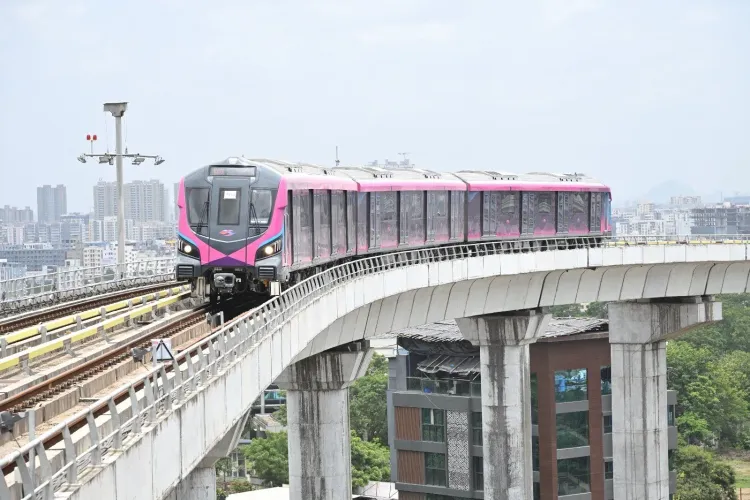
Prime Minister Narendra Modi inaugurates Pune Metro's Rs. 8,300 crore Pink Line on November 3, 2026 — a 23 km corridor from Hinjewadi's IT hub to Shivajinagar, operated by women and partly powered by solar energy.
Key Takeaways
The Pune Metro Pink Line spans 23 km , linking Hinjewadi IT hub with Shivajinagar .
The project cost is Rs.
8,300 crore and will be inaugurated by PM Modi on November 3, 2026 .
The line will be operated by women , making it a notable employment and inclusion initiative.
Nearly a third of the line's electricity needs are planned to come from solar energy .
The Pune Metro project received Union Cabinet approval in 2016 and its foundation stone was laid in December 2017 .
The corridor aims to ease severe road congestion between Pune's largest IT park and its central commercial zone.
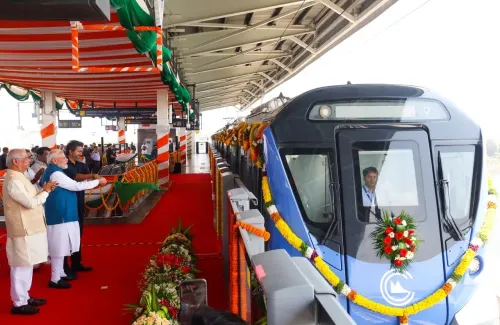
A 23-kilometre metro corridor is about to rewire the daily commute between Pune's biggest IT district and its beating commercial heart — and Prime Minister Narendra Modi will inaugurate it on Tuesday, November 3, 2026. The Pink Line, costing Rs. 8,300 crore, connects Hinjewadi's technology parks with Shivajinagar, threading a route that tens of thousands of software workers have long wished existed.
Hinjewadi to Shivajinagar: the commuter pain this line is built to fix
Hinjewadi is home to the Rajiv Gandhi Infotech Park, one of India's largest IT campuses, and houses hundreds of technology firms. Every working morning, the road corridor between the park and central Pune clogs into a slow crawl — a daily ordeal for workers who have had few public-transport alternatives. The Pink Line's 23 km length is designed to absorb a significant share of that private-vehicle load and cut commute times sharply.
Shivajinagar, the line's eastern anchor, is a key administrative and commercial hub, home to the district collectorate, major bus terminals and existing rail links. Connecting the two nodes creates a spine that could anchor further network growth across the city.
Operated by women, partially powered by the sun
Two features distinguish the Pink Line beyond its physical reach. First, operations will be run by women — a deliberate inclusion model that mirrors initiatives seen on select Delhi Metro corridors but is notable at this scale in a tier-2 city. Second, close to a third of the line's electricity requirement is planned to be met through solar energy, embedding a sustainability target into the project's baseline rather than treating it as an afterthought.
Together, the two commitments signal a shift in how urban rail projects are being framed: not just as steel-and-concrete throughput machines but as platforms for social and environmental policy.
A decade from approval to inauguration
The Pune Metro project received Union Cabinet approval in 2016 and its foundation stone was laid in December 2017, meaning the Pink Line has been nearly a decade in the making. It forms part of the broader national push — backed by central funding and state execution — to extend metro networks beyond the four major metros into India's fast-growing, IT-driven cities. Pune, with its young, high-density workforce and notoriously congested ring roads, has been an obvious candidate.
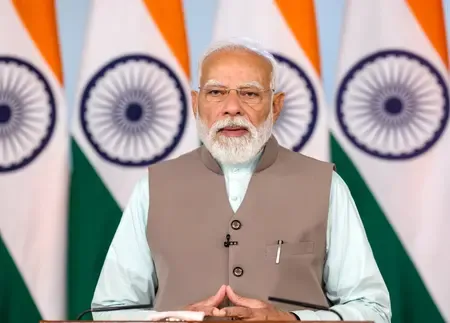
Prime Minister Modi's own post on X asked pointedly: 'What makes Pune Metro's new Pink Line so special?' — framing the inauguration not as a routine ribbon-cutting but as a demonstration of what contemporary infrastructure can look like when it folds in women's employment and renewable energy alongside raw capacity.
What ridership and integration will reveal
The real test begins the morning after the ceremony. Early ridership numbers will indicate whether Hinjewadi's IT workers adopt the metro at scale or default to familiar cab-pooling habits. Equally important is how seamlessly the Pink Line knits into Pune's existing bus and suburban rail network — integration gaps have blunted the impact of new corridors in other cities. Remaining Pune Metro phases and plans to scale the solar infrastructure further are also expected to come into sharper focus once the flagship corridor is live.
Point of View
300 crore price tag, Modi is framing urban transit as a vehicle for multiple policy goals simultaneously. The corridor also deepens the Centre's political footprint in Maharashtra, a perennially contested state, ahead of any future electoral cycle. Whether the line's on-ground operational model lives up to the inauguration-day promise will be the sharper test of that framing.
NationPress
2 Nov 2026
Frequently Asked Questions
What is the Pune Metro Pink Line?
The Pune Metro Pink Line is a 23 km metro corridor connecting Hinjewadi's IT hub with Shivajinagar in central Pune, built at a cost of Rs. 8,300 crore.
When will PM Modi inaugurate the Pune Metro Pink Line?
PM Modi is scheduled to inaugurate the Pune Metro Pink Line on Tuesday, November 3, 2026.
Why is the Pink Line called women-operated?
According to PM Modi's post, the Pink Line will be operated by women, making it a notable inclusion initiative in Pune's public transport system.
How much of the Pink Line's electricity will come from solar energy?
PM Modi's post states that almost a third of the Pink Line's electricity needs are planned to be met through solar energy.
How does the Pink Line help Hinjewadi IT workers?
Hinjewadi houses the Rajiv Gandhi Infotech Park and hundreds of tech firms; the Pink Line offers a direct metro link to central Pune, providing a public-transport alternative to heavily congested road routes.