CM Majhi: Cyclone Shelter Residents Getting Food, Water
Synopsis
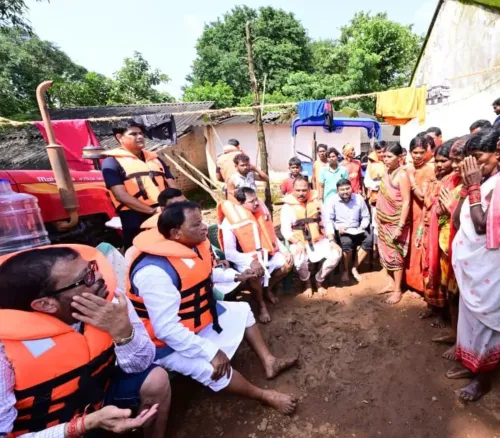
Odisha Chief Minister Mohan Charan Majhi announced on November 2 that the state government is ensuring food, drinking water, and essential supplies for all residents sheltering from a cyclone, reaffirming that human safety is the administration's top priority during the storm.
Key Takeaways
Odisha CM Mohan Charan Majhi posted an active cyclone relief update on November 2, 2026 .
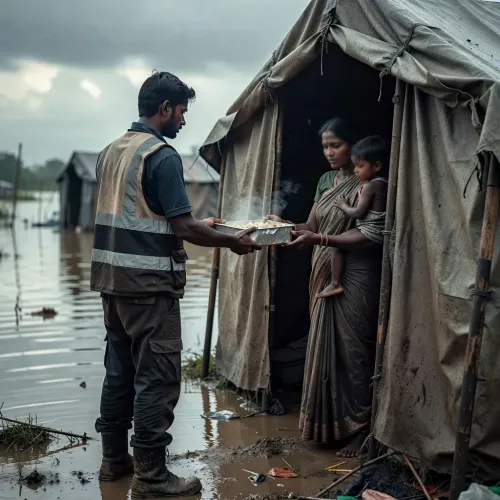
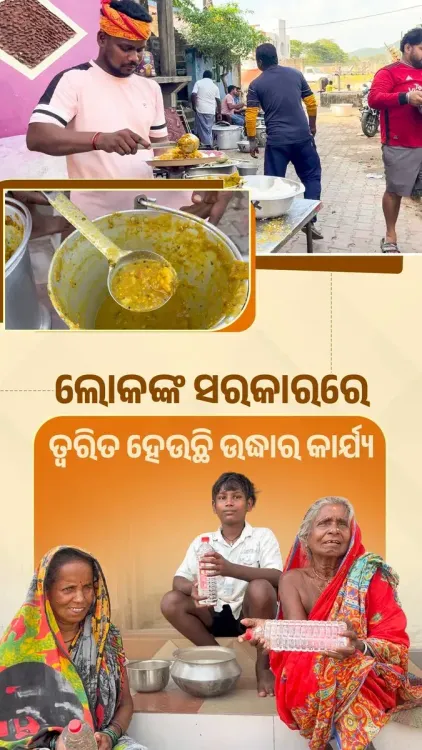
The state government is supplying food, drinking water, and essential materials to all cyclone shelter residents.
The post was issued in both Odia and English , signalling wide outreach to coastal communities and national audiences.
Odisha's cyclone preparedness infrastructure was built after the 1999 Super Cyclone , which killed nearly 10,000 people.
The Majhi administration, in office since June 2024 , is following an established state playbook of mass evacuation and shelter provisioning.
With a cyclone battering Odisha's coastline, Chief Minister Mohan Charan Majhi confirmed on Monday, November 2 that the state government is actively ensuring food, drinking water, and all essential supplies for residents evacuated to cyclone shelters — placing human safety unambiguously at the top of the administration's response.
Posting in both Odia and English, Majhi stated: 'The safety and well-being of people remain the top priority during the cyclone. The State Government is ensuring food, drinking water and all essential assistance for people staying at cyclone shelters.' The bilingual message — reaching coastal communities in their native tongue and a national audience simultaneously — signals a government determined to communicate relief efforts in real time.
A coastline forged by hard lessons
Odisha did not arrive at this level of cyclone preparedness by accident. The 1999 Super Cyclone killed nearly 10,000 people and became a national reckoning with disaster unpreparedness. In the decades that followed, successive state governments built an extensive network of cyclone shelters along the Bay of Bengal coastline, invested in early-warning systems, and institutionalised annual pre-cyclone drills and shelter-stocking protocols. What once was catastrophic has been progressively converted — through deliberate governance — into a managed emergency response.
That institutional muscle is now on display. The Majhi administration, in office since June 2024, is operating within a well-established playbook: mass evacuation, shelter provisioning, and continuous communication. The priority is stark and consistent — lives before everything else.
Shelters as the front line of survival
For coastal residents sheltering from the storm, the government's assurance is not abstract. Cyclone shelters in Odisha serve as the last line of protection when wind speeds and storm surges make homes uninhabitable. Ensuring adequate food and clean drinking water inside them is as operationally critical as the evacuation itself — a failure in supply logistics at that stage can turn a managed evacuation into a humanitarian crisis.
Relief distribution, damage assessments, and any further emergency measures announced by the state government will determine how comprehensively the administration converts its stated priorities into outcomes on the ground. The next 24 to 48 hours are the proving ground.
Point of View
Accountable messaging as a tool of crisis management, not just reassurance. The bilingual post is a deliberate choice: Odia reaches the affected communities directly while English signals administrative competence to a national audience and central government stakeholders. For a BJP administration that won Odisha in 2024 partly on a governance credentials platform, a smooth cyclone response carries political weight well beyond the immediate emergency. The real test, however, lies not in the message but in the last-mile delivery to remote coastal shelters in the hours ahead.
NationPress
2 Nov 2026
Frequently Asked Questions
What is the Odisha government doing for people in cyclone shelters?
The Odisha state government, led by Chief Minister Mohan Charan Majhi, is supplying food, drinking water, and all essential assistance to residents evacuated to cyclone shelters during the ongoing storm.
Which cyclone is hitting Odisha in November 2026?
Chief Minister Mohan Charan Majhi confirmed an active cyclone event on November 2, 2026, though the specific name of the cyclone has not been detailed in official communications reviewed so far.
How prepared is Odisha for cyclones?
Odisha built one of India's most robust cyclone preparedness systems after the devastating 1999 Super Cyclone, including a coastal network of shelters, early-warning systems, and mandatory pre-cyclone drills that are now standard state policy.
Who is Mohan Charan Majhi?
Mohan Charan Majhi is the Chief Minister of Odisha and a BJP leader who assumed office in June 2024 following the state assembly elections.
What happens in Odisha cyclone shelters during a storm?
Cyclone shelters in Odisha are stocked and staffed to provide food, drinking water, and essential supplies to evacuated coastal residents until it is safe to return home — a system developed and refined after the 1999 Super Cyclone.