Odisha CMO: Cyclone shelters get food, water as storm hits

Synopsis
The Chief Minister's Office of Odisha confirmed on 2 November 2026 that food, drinking water, and essential assistance are being provided to all cyclone-shelter residents as a cyclone strikes the state's coast, activating Odisha's renowned disaster-management framework.
Key Takeaways
The Chief Minister's Office of Odisha confirmed on 2 November 2026 that cyclone-shelter relief operations are active.
Evacuees are being provided food, drinking water, and essential supplies by the state government.
Odisha's shelter network was built after the 1999 Super Cyclone killed over 10,000 people .
The state's mass-evacuation model was validated during Cyclone Fani in 2019 , limiting fatalities despite the storm's ferocity.
Sustaining supply lines to shelters through the storm's passage remains the key operational challenge ahead.
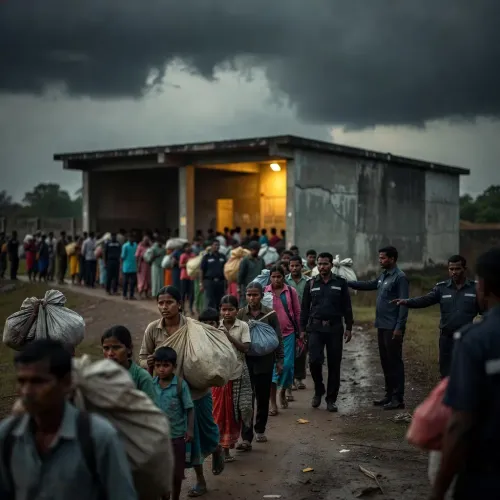
As a cyclone batters Odisha's coast, the state government has moved its relief machinery into full gear — ensuring every evacuee housed in a cyclone shelter has food, drinking water, and essential assistance. The Chief Minister's Office of Odisha confirmed the deployment on Monday, 2 November 2026, signalling that mass evacuation protocols are already in effect.
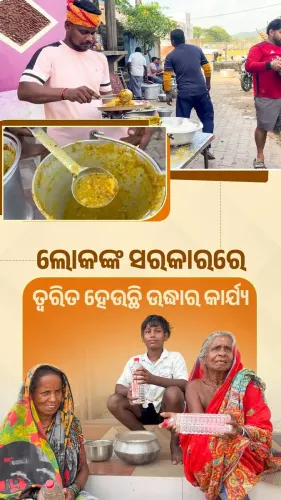
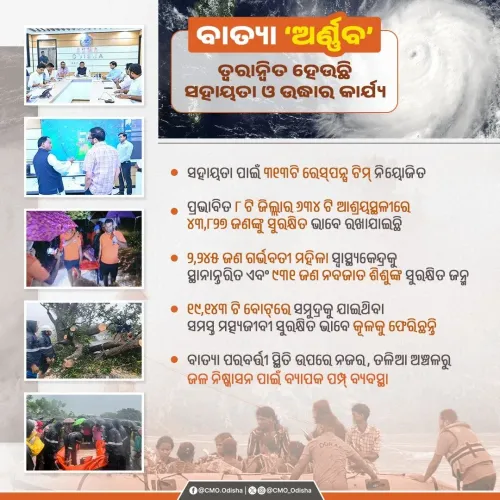
Posting in both Odia and English, the CMO stated: 'The safety and well-being of people remain the top priority during the cyclone. The State Government is ensuring food, drinking water and all essential assistance for people staying at cyclone shelters.'A shelter network built from hard lessons
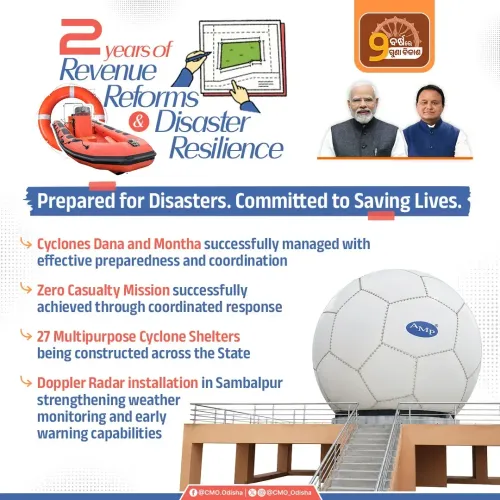
Odisha's cyclone-shelter system did not emerge from bureaucratic blueprints alone — it was forged in grief. The 1999 Super Cyclone killed more than 10,000 people, exposing every gap in the state's coastal emergency architecture. In the two decades since, Odisha constructed a dense network of multipurpose shelters along its Bay of Bengal shoreline, paired with layered early-warning systems and rapid-evacuation drills.
The model was stress-tested in 2019 when Cyclone Fani — one of the most powerful storms to strike India in recent memory — made landfall near Puri. More than a million people were evacuated in under 48 hours, and fatalities were kept to a fraction of what an unmanaged landfall would have caused. That operation became a reference point for disaster management agencies across South Asia.
Relief in the shelters right now
Today's update makes clear the immediate priorities: cooked food, potable water, and essential supplies are being distributed to all shelter residents. The CMO's bilingual post — Odia first, English second — is itself a small signal, indicating a message aimed simultaneously at local communities and at national monitoring agencies tracking the state's response.
Coastal residents, particularly those from low-lying districts most exposed to storm surge, are the direct beneficiaries of the current mobilisation. Odisha's framework places district collectors and specialised response teams at the operational centre of shelter management, with state-level coordination providing resources and oversight.
What the next hours will reveal
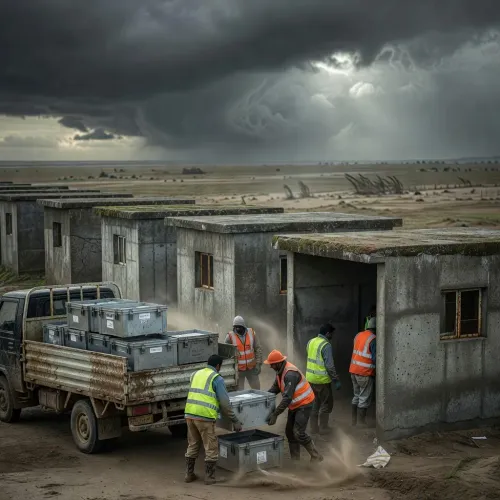
The immediate test for the administration is sustaining supply lines to shelters as the storm makes its pass — wind damage, road flooding, and power cuts can quickly sever relief corridors. Shelter occupancy figures, the pace of restocking, and the speed of post-cyclone rehabilitation mobilisation will determine whether this event adds another chapter to Odisha's template — or exposes its limits.
Odisha has earned its reputation as India's benchmark for cyclone response. Today, that reputation is being put to work again.
Point of View
Real-time updates manage public anxiety and signal administrative control. The bilingual CMO post reflects a state that has institutionalised cyclone response over 25 years, transforming post-disaster trauma into procedural muscle memory. Nationally, Odisha's framework is frequently cited as the standard other coastal states should emulate, giving each storm response a dual function: local relief and a public demonstration of governance capacity. The real measure of this cycle will come in the rehabilitation phase, where sustained political will tends to be harder to maintain than the dramatic evacuation moment.
NationPress
2 Nov 2026
Frequently Asked Questions
What is the Odisha government doing for people in cyclone shelters?
The Odisha government is providing food, drinking water, and all essential assistance to people staying in cyclone shelters during the ongoing storm, as confirmed by the Chief Minister's Office on 2 November 2026.
How many cyclone shelters does Odisha have?
Odisha has built an extensive network of multipurpose cyclone shelters along its coastal districts, developed significantly after the devastating 1999 Super Cyclone. The exact current count is managed by the state government and updated periodically.
How did Odisha handle Cyclone Fani in 2019?
During Cyclone Fani in 2019, Odisha evacuated over a million people in under 48 hours to cyclone shelters, resulting in very low casualties despite the storm's intensity — an operation now regarded as a global model for disaster preparedness.
Why is Odisha so prone to cyclones?
Odisha's long Bay of Bengal coastline makes it one of India's most cyclone-exposed states, as warm Bay waters frequently generate tropical storms that track toward the Odisha and Andhra Pradesh coasts, especially during the pre- and post-monsoon seasons.
What happens after a cyclone in Odisha — how is rehabilitation managed?
After a cyclone passes, Odisha's administration typically shifts from shelter management to damage assessment, restoration of power and roads, and distribution of ex-gratia payments and reconstruction support — a process coordinated by district collectors under state oversight.