CM Majhi Orders Swift Water Restoration in Cyclone Arnab Zones
Synopsis
Odisha CM Mohan Charan Majhi announced on 2 November 2026 that swift action is underway to restore drinking water supply in Cyclone Arnab-affected areas, including tube-well repair, piped-water project restoration, and emergency safe-water distribution.
Key Takeaways
Cyclone Arnab has disrupted drinking water supply across parts of Odisha as of 2 November 2026 .
CM Mohan Charan Majhi confirmed emergency measures are already in progress, not merely planned.
Response covers two tracks: physical restoration of tube wells and piped water projects , and interim distribution of safe drinking water.
Odisha's response draws on a tested disaster-management template refined after Cyclone Fani in 2019 .
Water-quality assurance — not just supply restoration — is explicitly cited as a government priority.
With Cyclone 'Arnab' having torn through Odisha's coastline, Chief Minister Mohan Charan Majhi on Monday, 2 November 2026, announced that emergency measures are already underway to restore safe drinking water across affected districts — because in the hours after a cyclone, clean water is the first battle of survival.
Posting in both Odia and English, Majhi stated: 'Swift measures are being taken to restore normal drinking water supply and ensure water quality in areas affected by Cyclone Arnab. Restoration of tube wells and piped water projects, along with the distribution of safe drinking water and additional water supply arrangements, is underway.'
Tube Wells and Piped Networks: The Two Fronts
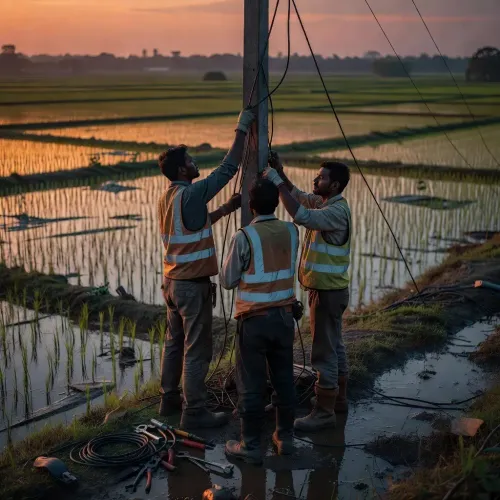
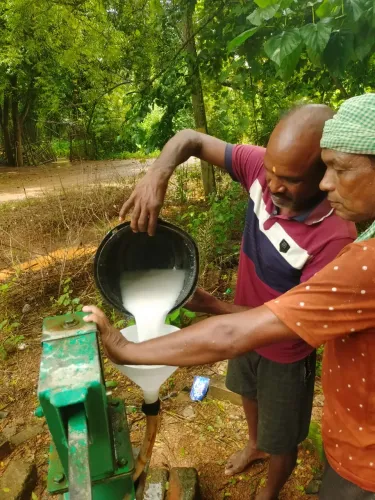
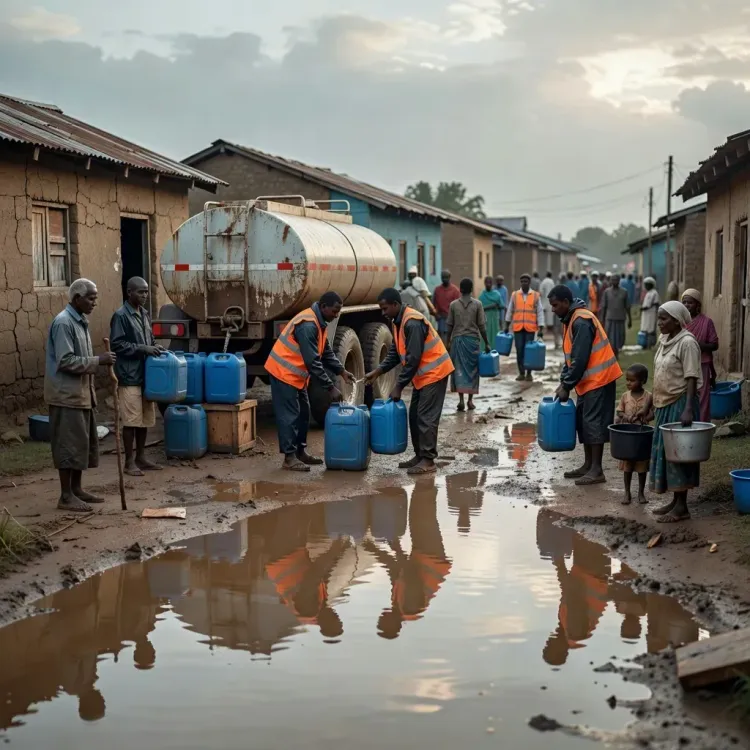
Cyclones don't just destroy homes — they contaminate water tables, snap supply pipelines, and flood tube-well heads with saline or debris-laden runoff. The government's dual focus on tube-well restoration and piped water project repairs addresses exactly this twin threat. Parallel to physical repair, distribution of packaged or tanker-supplied safe water is keeping affected families hydrated while permanent infrastructure comes back online.
Odisha's disaster-response playbook is one of the most battle-tested in India. After Cyclone Fani in 2019 — which struck the coast with Category-5 intensity — the state machinery carried out large-scale emergency restoration of tube wells and piped systems across coastal districts, becoming a widely studied model of post-cyclone recovery. The current mobilisation follows that established template.
Odisha's Coastal Vulnerability and the Speed Imperative
Odisha sits squarely in the Bay of Bengal's cyclone corridor — the same geography that makes it one of India's most cyclone-prone states also means its disaster administration is among the most experienced. Successive governments have hardwired the principle that drinking-water restoration must begin within hours of landfall, not days.
For the families now waiting for their taps and hand pumps to run clean again, the speed of this response is the difference between a manageable crisis and a public-health emergency. Waterborne disease outbreaks historically spike in the week following a cyclone — every repaired tube well is a disease cluster that never forms.
Point of View
As failures in this area drive the sharpest public anger. By personally stamping his name on the response within hours of the cyclone's impact, Majhi is consciously building on — and competing with — the disaster-management reputation that defined his predecessor's two decades in power.
NationPress
2 Nov 2026
Frequently Asked Questions
What is Cyclone Arnab and where did it affect Odisha?
Cyclone Arnab is a tropical cyclone that struck Odisha's coast around November 2026 , disrupting essential services including drinking water supply in affected coastal districts. Specific district-level impact details are yet to be officially confirmed.
What steps is the Odisha government taking for drinking water after Cyclone Arnab?
The Odisha government is restoring tube wells and piped water project infrastructure, distributing safe drinking water to affected residents, and putting additional water supply arrangements in place while repairs continue.
How has Odisha handled water restoration after cyclones before?
After Cyclone Fani in 2019 , Odisha carried out large-scale restoration of tube wells and piped water systems across coastal districts, a response that became a model for post-cyclone relief in India.
Why is drinking water the immediate priority after a cyclone?
Cyclones contaminate water sources with saline intrusion and debris, break supply pipelines, and create conditions for waterborne disease outbreaks. Restoring clean water within hours of landfall is critical to preventing a secondary public-health emergency.
Who is Mohan Charan Majhi?
Mohan Charan Majhi is the Chief Minister of Odisha and a BJP leader who assumed office in June 2024 after the party's victory in the state assembly elections.