PM Modi to inaugurate Pune Metro Line-3 on 4 Nov via video link
Synopsis
Pune's long-awaited Pink Line finally has a launch date — 4 November 2026 — with PM Modi inaugurating it virtually and passenger services starting the same morning. The ₹8,313 crore, 23.203-km corridor linking Hinjawadi's IT belt to Shivajinagar promises relief for lakhs of daily commuters, with an all-women train pilot workforce adding a distinctive social dimension to the launch.
Key Takeaways
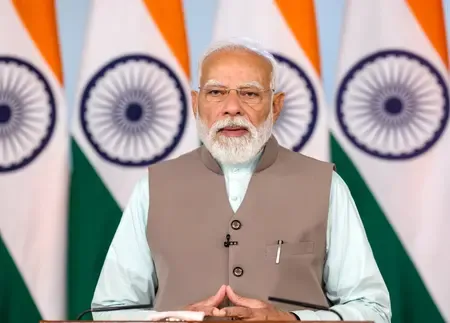
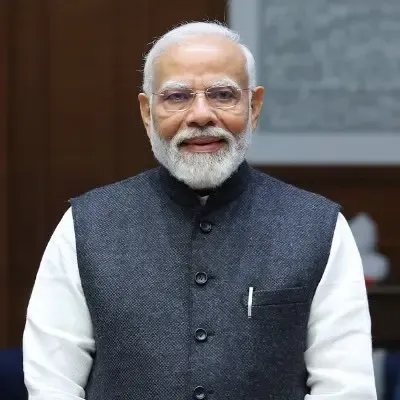
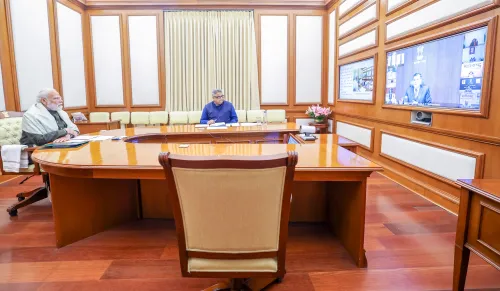
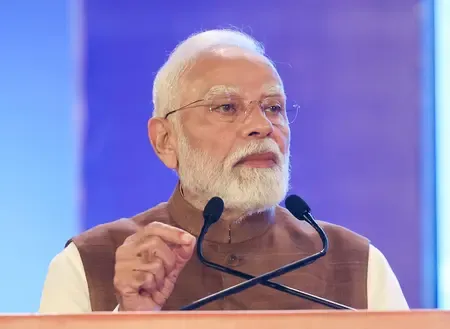
PM Narendra Modi will inaugurate Pune Metro Line-3 via videoconferencing on 4 November 2026 at 10:30 AM .
Passenger services begin at 6:00 AM on 4 November 2026 ; 17 of 23 stations will be accessible from 3 November 2026 .
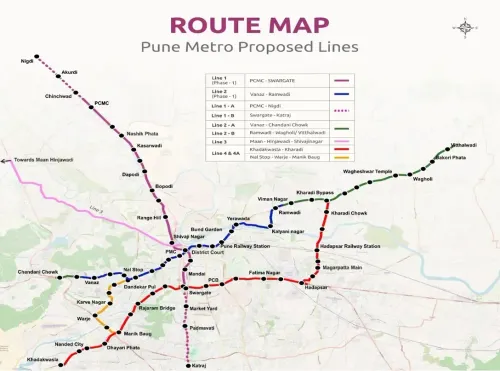
The Pink Line covers 23.203 km from Maan to Shivajinagar at a total cost of ₹8,313 crore .
All trains will be operated by approximately 100 women train pilots ; about 50% of station staff will be women.
Solar capacity of 7.60 MW will meet nearly 30% of the project's power needs.
An estimated 2 to 2.5 lakh commuters are expected to use the line daily.
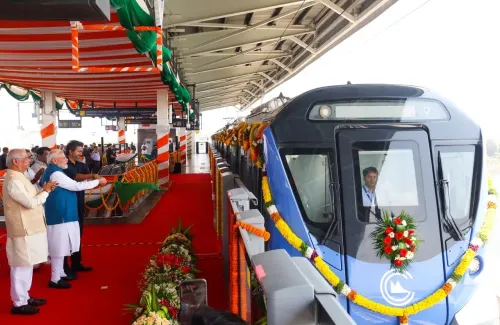
Prime Minister Narendra Modi will virtually inaugurate Pune Metro Line-3 — the 23.203-kilometre elevated Pink Line connecting Maan-Hinjawadi to Shivajinagar — via videoconferencing on 4 November 2026. Passenger services on the corridor will begin at 6:00 AM on the same day, marking a significant shift in Pune's public transport landscape.
Inauguration Details
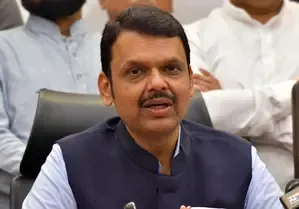
The ceremony is scheduled for 10:30 AM at the Badminton Hall of the Shree Shiv Chhatrapati Sports Complex in Mhalunge-Balewadi. Chief Minister Devendra Fadnavis, Deputy Chief Minister Eknath Shinde, and Sunetra Ajit Pawar will attend as chief guests. Pune Metropolitan Region Development Authority (PMRDA) Commissioner Dr Abhijit Chaudhari confirmed the details on Saturday.
The Pink Line, popularly known as 'Puneri Metro', originates at Maan, passes through Rajiv Gandhi Infotech Park in Hinjawadi, and terminates at Shivajinagar — one of Pune's primary administrative and commercial hubs. The total project cost, including land acquisition and utility shifting, stands at ₹8,313 crore.
Project Structure and Implementation
The corridor has been built on a DBFOT (Design, Build, Finance, Operate, and Transfer) Public-Private Partnership model under the Central Government's National Metro Rail Policy, 2017. Implementation is being carried out by Pune IT City Metro Rail Limited (PITCMRL), a Special Purpose Vehicle (SPV) formed through a joint venture between TRIL Urban Transport Private Limited and Siemens Project Ventures GmbH.
Final safety clearance was granted by the Commissioner of Metro Railway Safety (CMRS) on 23 July 2026 for the first phase covering 12.60 km from Maan (PMR-1) to R. K. Laxman Museum, Balewadi (PMR-12), and on 23 September 2026 for the section covering the remaining five stations. The entire corridor was also inspected by the Research Designs and Standards Organisation (RDSO).
Station Phasing and Partial Openings
Of the total 23 stations on the line, 17 stations will be opened to passengers starting 3 November 2026. Seven of these will initially operate with a single staircase — Maan, Maan-MIDC Circle Phase-2, Maan-Bus Depot, Hinjawadi Phase-2 Circle-1, Padmabhushan Chowk, College of Agriculture, and District and Sessions Court. The remaining ten stations will have both staircases operational from the outset.
Work on Station Nos. 13 and 14 is in its final phase and is expected to wrap up by end of November 2026. The last four stations — Nos. 15, 16, 20, and 22 — will be commissioned in phases by January 2027.
Multimodal Integration and Commuter Infrastructure
To enable seamless onward connectivity, dedicated pick-up and drop-off zones for PMPML buses, auto-rickshaws, app-based taxis such as Ola and Uber, and e-bikes are being established outside each station. Two-wheeler and four-wheeler parking facilities will also be available near metro stations. Dedicated cycle tracks, wide footpaths, pedestrian crossings, and foot overbridges are being constructed to enhance safety for non-motorised commuters.
A joint mobile application has been developed for passengers travelling on both Maha Metro's existing lines and the new Line-3, enabling trip planning and ticket booking in a single interface. 350 personnel from the Maharashtra State Security Corporation (MSSC) have been deployed for station security.
Green Energy and Women Empowerment
A total solar power generation capacity of 7.60 MW has been installed — 6.10 MW at metro stations and 1.50 MW at the car depot — expected to meet nearly 30% of the project's overall energy requirements. All trains on Line-3 will be operated by approximately 100 women train pilots. Around 50% of total station staff, including station controllers, ticketing personnel, and station attendants, will be women.
Dr Chaudhari noted that the initiative underlines a commitment to women's empowerment and gender equality in modern public transport. The corridor is expected to ease congestion across Hinjawadi IT Park, Aundh, Baner, Balewadi, Mhalunge, Ganeshkhind Road, and Shivajinagar, with an estimated 2 to 2.5 lakh daily commuters projected to use the service.
Point of View
And the delay in getting all 23 stations ready by inauguration day reflects the systemic execution gaps that dog India's urban rail projects. The all-women pilot workforce is a genuinely progressive operational choice, not just optics, but the real metric to track will be whether the projected 2 to 2.5 lakh daily ridership materialises — and whether multimodal integration at stations is actually functional from Day 1, rather than completing months later as is common. The phased commissioning of six stations stretching into January 2027 means the corridor will not reach its full connectivity potential at launch, which should temper headline optimism.
NationPress
31 Oct 2026
Frequently Asked Questions
When will Pune Metro Line-3 open for passengers?
Pune Metro Line-3 will open for passenger services at 6:00 AM on 4 November 2026, with 17 of its 23 stations accessible from 3 November 2026. The remaining stations will be commissioned in phases through January 2027.
What is Pune Metro Line-3 and which areas does it connect?
Pune Metro Line-3, also known as the Pink Line or 'Puneri Metro', is a 23.203-km fully elevated corridor running from Maan through Hinjawadi's Rajiv Gandhi Infotech Park to Shivajinagar. It connects Pune's major IT hub with its administrative and commercial centre, covering 23 stations.
What is the cost of the Pune Metro Line-3 project?
The total estimated cost of Pune Metro Line-3, including land acquisition and utility shifting, is ₹8,313 crore. It has been implemented on a DBFOT Public-Private Partnership model by Pune IT City Metro Rail Limited (PITCMRL), a joint venture between TRIL Urban Transport Private Limited and Siemens Project Ventures GmbH.
How many stations will be open at the time of launch, and which ones are delayed?
17 of the 23 stations will be open from 3 November 2026, with seven initially operating on a single staircase. Station Nos. 13 and 14 are expected to be completed by end of November 2026, while the remaining four stations (Nos. 15, 16, 20, and 22) will be commissioned by January 2027.
What makes Pune Metro Line-3 different from other metro projects?
Pune Metro Line-3 will be operated entirely by approximately 100 women train pilots, with around 50% of total station staff also being women — a distinctive workforce inclusion model. The project also has 7.60 MW of installed solar capacity, expected to meet nearly 30% of its energy needs.