PM Modi to inaugurate Pune Metro Pink Line on 3 Nov: 23 km, ₹8,300 crore, women-operated
Synopsis
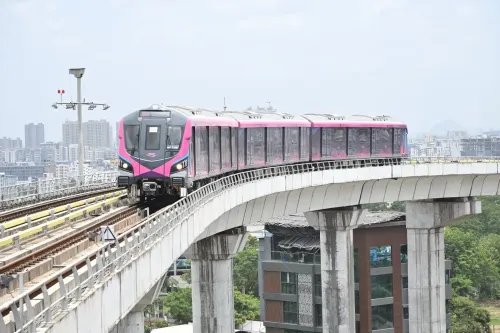
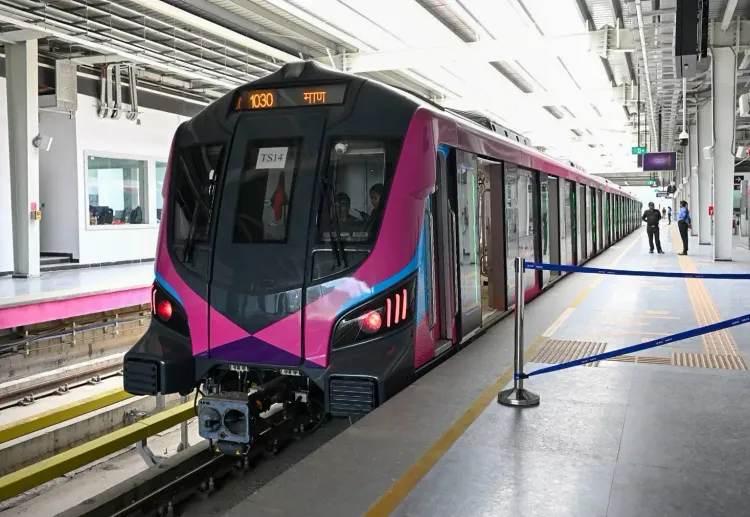
Pune's Pink Line isn't just another Metro inauguration — it is a 23-km, ₹8,300 crore corridor operated entirely by women and powered partly by solar energy, linking the city's IT heart at Hinjewadi to Shivajinagar. PM Modi also lays the foundation for a ₹13,500 crore Phase-II expansion on the same day, pushing Pune's total Metro investment to ₹21,800 crore.
Key Takeaways
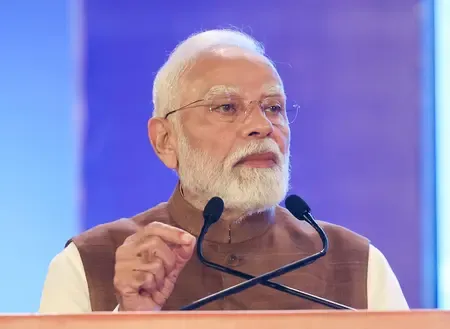
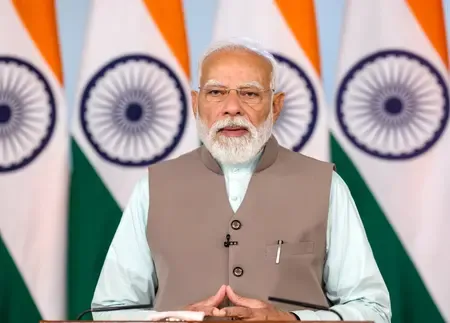
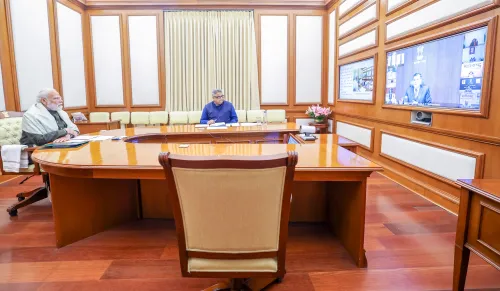
PM Narendra Modi inaugurates Pune Metro Line 3 (Pink Line) on 3 November 2026 via video conferencing at 12:30 pm IST .
The 23-km corridor cost over ₹8,300 crore and connects Maan to District Court Metro station , linking Hinjewadi IT hub with Shivajinagar .
In a first for Indian urban rail, the entire corridor will be operated exclusively by women train operators .
Approximately 30% of the Pink Line's electricity needs are planned to be met through solar energy .
Modi also lays the foundation stone for Pune Metro Phase-II (Lines 2A, 2B, 4, 4A) estimated at ₹13,500 crore .
Total combined investment across Phase-I and Phase-II stands at approximately ₹21,800 crore .
Prime Minister Narendra Modi is set to inaugurate Pune Metro Line 3 — popularly known as the Pink Line — on 3 November 2026 at 12:30 pm IST via video conferencing, marking a significant milestone in the city's urban transport overhaul. The 23-kilometre corridor, built at a cost of over ₹8,300 crore, will connect Maan to District Court Metro station, providing direct Metro connectivity between Hinjewadi's IT hub and Shivajinagar. Modi will also lay the foundation stone for Pune Metro Phase-II, collectively taking the total investment to approximately ₹21,800 crore.
What the Pink Line Offers Commuters
The Pink Line is designed primarily to ease the daily commute for thousands of IT professionals and other passengers travelling between Hinjewadi — Pune's foremost technology and business district — and the city's central areas. According to official releases, the corridor is expected to significantly reduce dependence on private vehicles, easing traffic congestion and lowering vehicular emissions across one of Maharashtra's most congested urban corridors.
Its integration with the existing Metro network will further strengthen city-wide connectivity, making multi-modal travel more accessible for residents across Pune's expanding urban footprint.
Women Operators and Solar Energy: The Defining Features
The Pink Line stands apart for two distinctive commitments. In a first-of-its-kind initiative in Indian urban rail, the entire corridor will be operated exclusively by women train operators, spotlighting the growing role of women in the country's urban transport infrastructure. Prime Minister Modi himself flagged this in a post on X (formerly Twitter), writing: 'Operated by women. Almost a third of the electricity needs planned from solar energy.'
On the sustainability front, approximately 30 per cent of the corridor's electricity requirements are envisaged to be met through solar energy, reducing the project's long-term carbon footprint and operating costs.
Phase-II: Expanding Pune's Metro Footprint
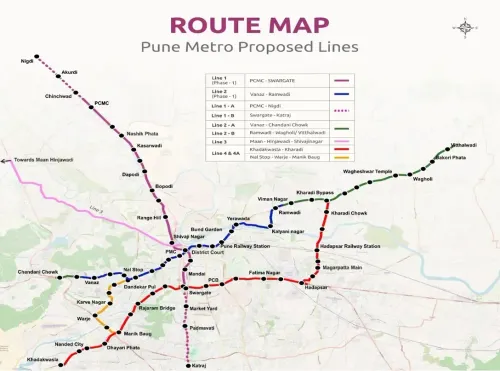
Alongside Tuesday's inauguration, Modi will lay the foundation stone for Pune Metro Phase-II, estimated at ₹13,500 crore. The expansion will comprise Lines 2A, 2B, 4 and 4A, substantially extending coverage across the city. The new corridors will connect key locations including Vanaz, Chandani Chowk, Ramwadi, Vitthalwadi, Kharadi, Khadakwasla, Hadapsar, Swargate, Manik Baug, and Nanded City.
Critical interchange points at Swargate, Nal Stop, and Kharadi Bypass will integrate the new lines with intercity bus services and existing Metro routes, enabling seamless multi-modal travel across the metropolitan area.
Broader Significance for Urban India
Pune's Metro expansion arrives as Indian cities grapple with surging urban populations and persistent traffic gridlock. The Pink Line's emphasis on green energy and gender-inclusive operations positions it as a potential template for upcoming Metro projects in other Tier-1 cities. Notably, the combined ₹21,800 crore outlay for Phase-I inauguration and Phase-II foundation reflects sustained central and state co-investment in Maharashtra's urban infrastructure.
With Phase-II timelines and detailed corridor maps expected to follow the foundation-stone ceremony, Pune's commuters and urban planners will be watching closely to see how quickly the expanded network moves from blueprint to operations.
Point of View
But the real test will be whether it scales — or remains a symbolic first. Pune's IT corridor congestion is well-documented, and the Hinjewadi-Shivajinagar link addresses a genuine commuter pain point; ridership numbers in the first six months will be the true verdict. The simultaneous Phase-II foundation-stone laying is politically significant ahead of Maharashtra's electoral cycle, though the ₹13,500 crore expansion's delivery timeline remains unspecified. India's urban Metro expansion has repeatedly outpaced operational readiness, and Pune must avoid the trap of headline kilometres over actual last-mile integration.
NationPress
2 Nov 2026
Frequently Asked Questions
What is Pune Metro's Pink Line and when does it open?
Pune Metro Line 3, called the Pink Line, is a 23-km corridor connecting Maan to District Court Metro station — linking Hinjewadi's IT hub with Shivajinagar. PM Modi inaugurates it on 3 November 2026 via video conferencing at 12:30 pm IST.
How much did the Pune Metro Pink Line cost?
The Pink Line was built at a cost of over ₹8,300 crore. Including the foundation stone for Pune Metro Phase-II (estimated at ₹13,500 crore), the total combined investment announced on 3 November stands at approximately ₹21,800 crore.
Why is the Pink Line operated by women?
In a first-of-its-kind initiative in Indian urban rail, the entire Pink Line corridor will be operated exclusively by women train operators, highlighting the expanding role of women in the country's urban transport sector.
How much of the Pink Line's electricity will come from solar energy?
Approximately 30 per cent of the Pink Line's electricity requirements are envisaged to be met through solar energy, forming a core part of the corridor's sustainability framework.
What does Pune Metro Phase-II involve?
Phase-II, estimated at ₹13,500 crore, will comprise Lines 2A, 2B, 4 and 4A, connecting areas including Vanaz, Chandani Chowk, Kharadi, Hadapsar, Swargate, and Nanded City, with interchange points at Swargate, Nal Stop, and Kharadi Bypass integrating Metro with intercity bus services.