Rijiju: PM Modi inaugurates new Pune Metro projects
Synopsis
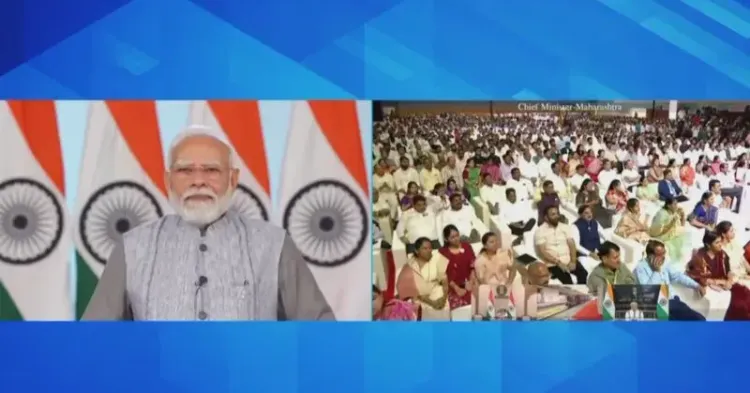
PM Narendra Modi inaugurated and laid the foundation stone for new Pune Metro projects on November 3, 2026. Union Minister Kiren Rijiju shared the live event, spotlighting the government's ongoing push to expand metro rail networks to India's fast-growing tier-2 cities under the Metro Rail Policy 2017.
Key Takeaways
PM Narendra Modi inaugurated and laid the foundation stone for new Pune Metro projects on November 3, 2026 .
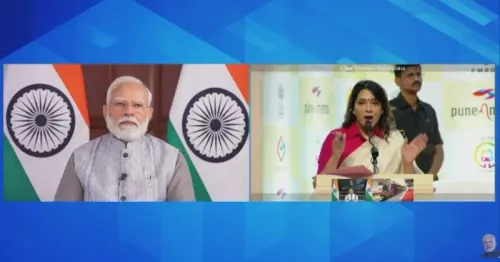
Union Minister Kiren Rijiju shared the live broadcast on X, drawing public attention to the ceremony.
The Pune Metro Rail Project received Union Cabinet approval in December 2018 , making this a milestone nearly eight years in the making.
The Metro Rail Policy 2017 provides the central framework and viability-gap funding for metro systems in cities with populations above one million.
Both an inauguration and a foundation stone-laying occurred at the same event, signalling ongoing corridor expansion beyond Phase-1.
Operationalisation timelines for Phase-1 corridors and fresh funding commitments in the next Union Budget remain key milestones to watch.
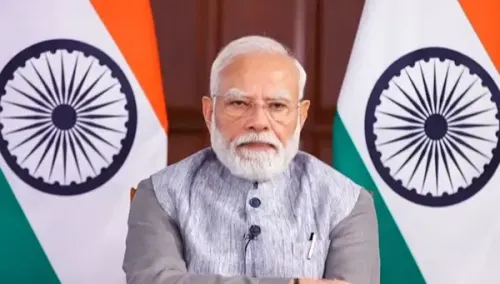
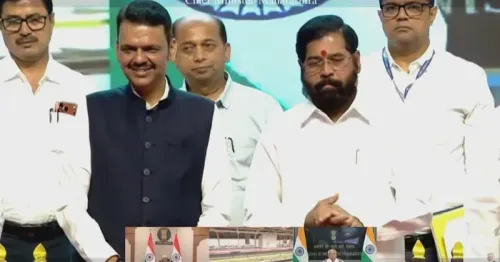
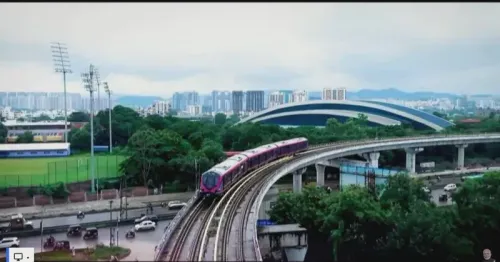
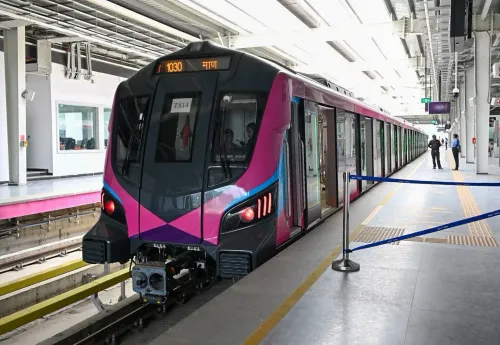
A major push for Pune's urban mobility arrived on Tuesday, November 3, 2026, as Prime Minister Narendra Modi inaugurated and laid the foundation stone for new Pune Metro projects — an event flagged live by Union Parliamentary Affairs and Minority Affairs Minister Kiren Rijiju, who urged followers to watch the ceremony unfold in real time.
Pune Metro's long road from Cabinet approval to ribbon-cutting
The Pune Metro Rail Project received Union Cabinet approval in December 2018, making Tuesday's inauguration a milestone nearly eight years in the making. The project sits within the broader framework of the Metro Rail Policy 2017, which opened the door to central viability-gap funding for metro systems in cities with populations above one million — a deliberate policy shift designed to bring rapid transit to India's second-tier growth engines, not just its megacities.
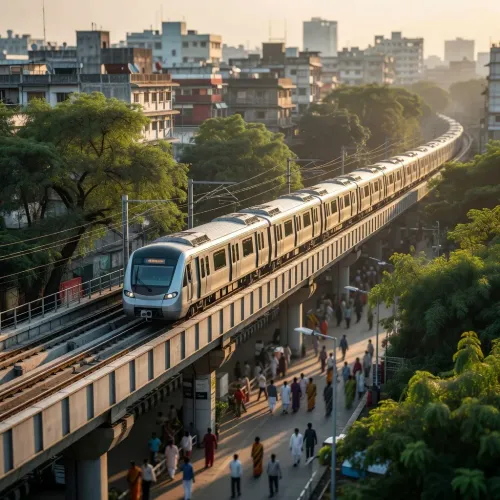
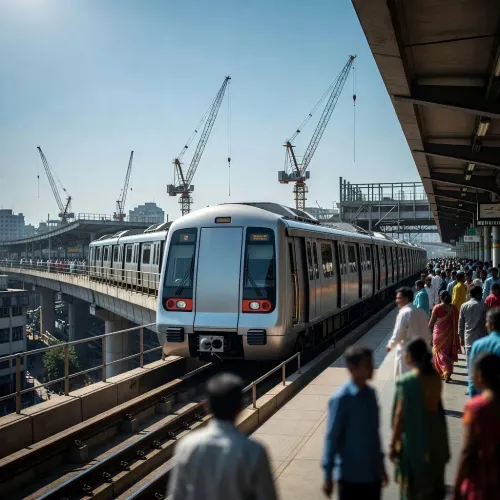
Pune, Maharashtra's second-largest city and one of its fastest-growing, has long wrestled with crippling road congestion. A functioning metro network promises relief for hundreds of thousands of daily commuters who currently depend on an overwhelmed road network.
Modi's metro momentum — a pattern, not a one-off
Tuesday's event is not an isolated ribbon-cutting. It is the latest chapter in the central government's sustained campaign to expand metro coverage beyond Delhi and Mumbai. City after city — Nagpur, Lucknow, Ahmedabad, Kochi — has seen metro inaugurations under the current dispensation, each framed as proof that world-class urban infrastructure need not be the exclusive privilege of the largest metros.
The laying of a fresh foundation stone alongside an inauguration signals that Pune's metro ambition is still expanding, with new corridors being sanctioned even as earlier phases inch toward full operationalisation. What exactly those new stretches cover has not been officially detailed, but the combination of inauguration and foundation-laying in a single event suggests a project that is simultaneously delivering on old promises and betting on future growth.
What Pune commuters are watching for next
The real test will be in the timelines. Phase-1 corridors have faced the kind of construction and land-acquisition delays that have haunted metro projects across India. Advocates for Pune's commuters will now be focused on when tracks go live for daily passengers — and whether any fresh project approvals announced at the event come backed by firm funding schedules in the next Union Budget.
For the BJP, a metro inauguration in Maharashtra — a state that has seen intense political flux — carries obvious electoral warmth. Infrastructure delivery, especially the kind commuters can see and touch, remains among the most durable political currencies in Indian politics.
Pune now has tracks to run on. Whether the trains run on time is the question that will define this project's legacy.
Point of View
And metro rail — tangible, modern, daily-use — is among the most effective symbols of governance competence the ruling coalition can deploy. The simultaneous inauguration and foundation-laying also signals that the Pune Metro story is being deliberately kept open-ended, offering future events and milestones rather than a single closing chapter. The broader arc — Cabinet approval in 2018, policy framework in 2017, inauguration in 2026 — underscores how long urban infrastructure cycles run in India, and how political administrations must manage the gap between announcement and delivery.
NationPress
3 Nov 2026
Frequently Asked Questions
What did PM Modi inaugurate in Pune on November 3 2026?
PM Narendra Modi inaugurated new Pune Metro projects and also laid the foundation stone for additional metro infrastructure in the city on November 3, 2026.
When did the Pune Metro Rail Project receive Cabinet approval?
The Pune Metro Rail Project received Union Cabinet approval in December 2018 .
What is the Metro Rail Policy 2017?
The Metro Rail Policy 2017 is a central government framework that eased viability-gap funding eligibility for metro projects in Indian cities with populations above one million, enabling expansion beyond the largest metros.
Why did Kiren Rijiju post about the Pune Metro event?
Union Minister Kiren Rijiju shared a live broadcast link on X to draw public attention to PM Modi's inauguration of new Pune Metro projects, urging followers to watch the ceremony in real time.
What should Pune commuters watch for after the metro inauguration?
Commuters should watch for confirmed operationalisation timelines for Phase-1 corridors and any fresh project funding announcements in the next Union Budget.