Strait of Hormuz fully open, toll-free: Iran envoy at UN Geneva
Synopsis
Iran's UN envoy declared the Strait of Hormuz open and charge-free — but gave it only a 60-day runway, tied to fragile Iran-US MoU talks. He also flatly denied that Tehran agreed to readmit IAEA inspectors, contradicting US claims and exposing a significant gap between both sides' accounts of what the new deal actually contains.
Key Takeaways
Iranian Ambassador Ali Bahreini confirmed on 23 June that the Strait of Hormuz is fully open to commercial vessels without tolls.
The arrangement is subject to a 60-day review based on progress in Iran-US negotiations.
A first round of talks on implementing the Iran-US MoU has concluded in Switzerland ; under the MoU, Iranian assets will be unfrozen by the US.
Bahreini denied that Iran agreed to readmit IAEA inspectors, calling reports to that effect 'incorrect'.
US Vice President J D Vance proposed redirecting unfrozen Iranian assets to purchase American agricultural goods — soy, corn, and wheat — rather than transferring funds directly to Tehran.
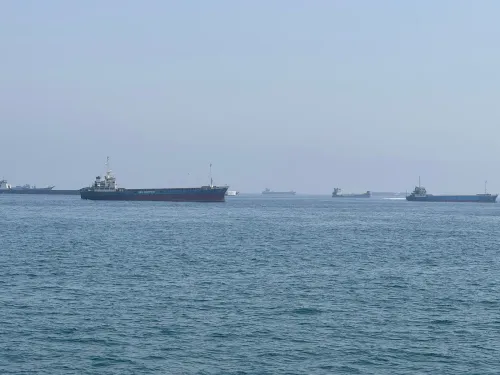
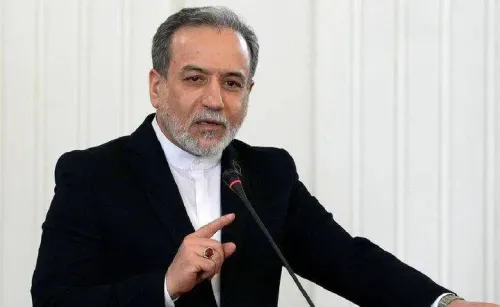
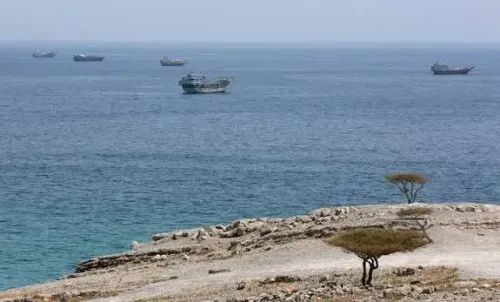
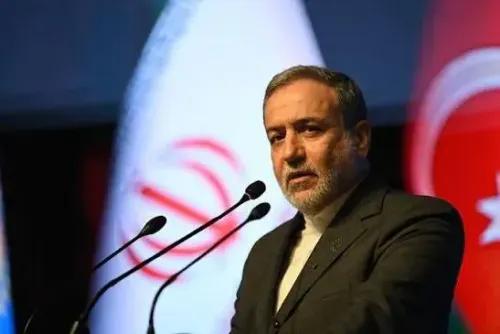
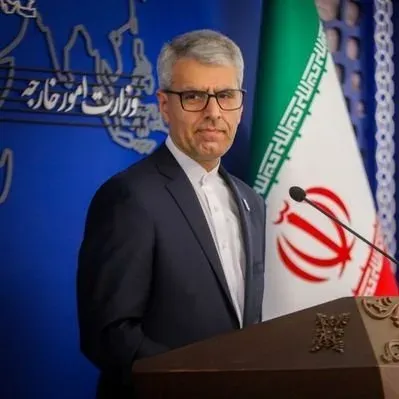
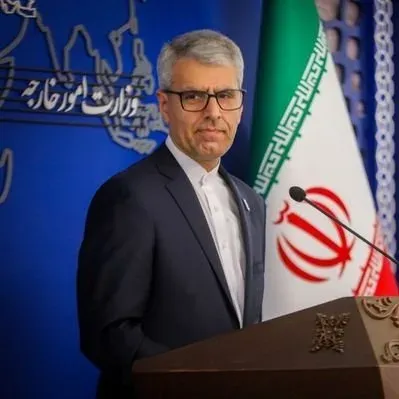
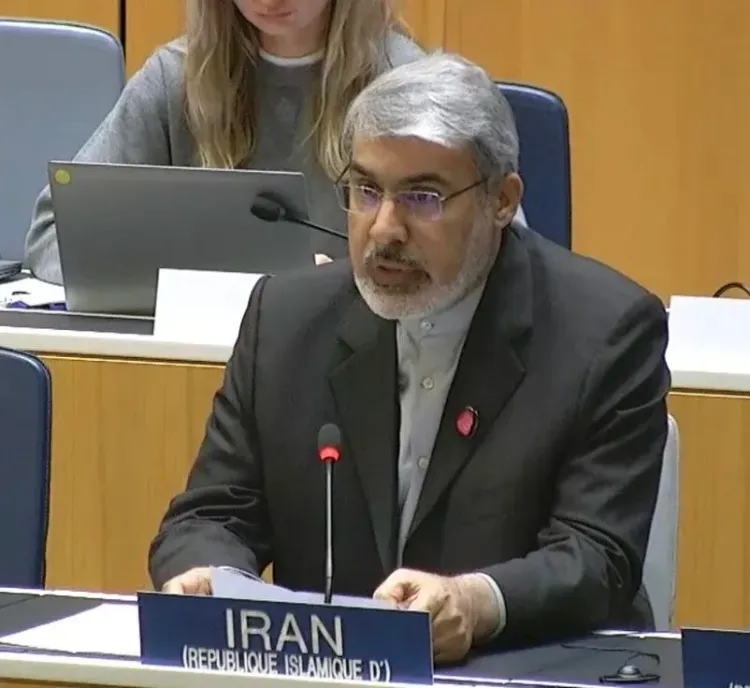
Iranian Ambassador and Permanent Representative to the United Nations (UN) Office at Geneva, Ali Bahreini, announced on Tuesday, 23 June that the Strait of Hormuz is fully open to commercial shipping without any tolls or charges. Bahreini added that the arrangement will be reviewed after 60 days, contingent on the progress of ongoing negotiations between Iran and the United States.
First Round of Iran-US Talks Concludes in Switzerland
Iranian and US negotiators have completed a first round of discussions in Switzerland on implementing a Memorandum of Understanding (MoU) signed by both sides the previous week. Under the terms of the MoU, the US is set to unfreeze Iranian assets currently held abroad.
Bahreini was unequivocal about Iran's autonomy over those funds. 'Iran is the only country that decides what to do with those assets, and there would be no role for any other country or entity to have a say on how those assets should be used by Iran,' he said.
Iran Rejects IAEA Inspector Claim
Bahreini firmly denied a US assertion that Iran had agreed to invite inspectors from the International Atomic Energy Agency (IAEA) back into the country. 'No, there hasn't been such a decision or even such a discussion,' he said, clarifying that any dialogue on Iranian nuclear activities is reserved for a later stage of negotiations.
'Therefore, any information provided by different sources about the possibility of allowing inspectors to come to Iran is incorrect,' Bahreini stated. The denial marks a notable divergence between the two sides' public characterisations of what has been agreed so far.
Vance Proposes Redirecting Frozen Assets to US Farm Goods
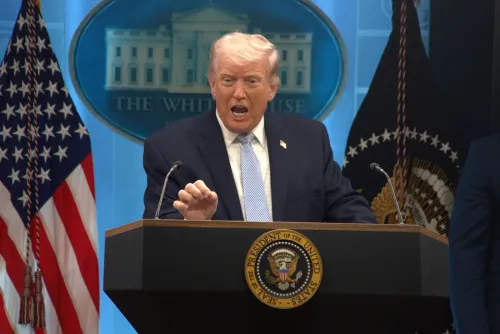
Meanwhile, US Vice President J D Vance on Monday outlined a proposal that would direct any future release of frozen Iranian assets toward the purchase of American agricultural products, rather than transferring funds directly to Tehran.
'The money would actually go to buy American soy, American corn and American wheat for the benefit of the Iranian people,' Vance said, describing the arrangement as mutually beneficial. 'If Iranian assets are ever unfrozen, they're going to go to make American farmers richer and to feed the Iranian people,' he added, calling it 'a very, very good and very classic Trump deal.'
Iran has not publicly responded to the Vance proposal, and it remains unclear whether the agricultural-purchase mechanism forms part of the MoU already signed or is being floated as an addendum to future negotiations.
What Happens Next
The 60-day review window on Hormuz access gives both sides a defined timeline to either consolidate the MoU framework or risk a return to heightened maritime tensions. The Strait of Hormuz handles roughly 20% of global oil trade, making its status a critical variable for energy markets worldwide. Further rounds of Iran-US talks are expected, with the nuclear file — including the IAEA question — positioned as the next major flashpoint.
Point of View
Framed as a 'Trump deal,' also raises a practical question: Iran has historically resisted conditions on how it uses its own assets, so tying unfrozen funds to US farm imports could become a deal-breaker rather than a sweetener. The 60-day Hormuz clock adds urgency but also leverage — and both sides know it.
NationPress
22 Sept 2026
Frequently Asked Questions
Is the Strait of Hormuz open to ships right now?
Yes. Iranian Ambassador Ali Bahreini confirmed on 23 June that the Strait of Hormuz is fully open to commercial vessels without any tolls or charges. However, the status is subject to a 60-day review depending on the outcome of Iran-US negotiations.
What is the Iran-US MoU signed last week?
The Memorandum of Understanding (MoU) is an agreement signed by Iran and the United States that includes, at minimum, a provision for the US to unfreeze Iranian assets held abroad. A first round of talks on implementing the MoU has already taken place in Switzerland, though key details — including the nuclear file — remain unresolved.
Has Iran agreed to let IAEA inspectors back in?
No, according to Iran's UN envoy Ali Bahreini. He stated on 23 June that there has been 'no such decision or even such a discussion,' and called reports suggesting otherwise 'incorrect.' Iran has indicated that nuclear-related discussions are reserved for a later stage of talks.
What did US Vice President Vance propose about Iran's frozen assets?
Vance proposed that any unfrozen Iranian assets be used to purchase American agricultural products — specifically soy, corn, and wheat — rather than being transferred directly to Tehran. He described the arrangement as beneficial to both American farmers and the Iranian people, calling it a 'classic Trump deal.' Iran has not publicly responded to this proposal.
Why does the Strait of Hormuz matter for global energy markets?
The Strait of Hormuz is one of the world's most critical oil transit chokepoints, through which roughly 20% of global crude oil trade passes. Any disruption to access — through tolls, blockades, or conflict — can immediately affect global energy prices and supply chains.