Dharavi Redevelopment Project defends Ganesh Nagar–Meghwadi demolition process
Synopsis
The Dharavi Redevelopment Project has pushed back against eviction-without-notice allegations, releasing a detailed month-by-month timeline showing public notices, individual warnings, and formal hearings preceded the 6 August demolition in Ganesh Nagar–Meghwadi. With 4 of 16 structures cleared by police after occupants refused to comply, the episode spotlights the fault lines between infrastructure timelines and resident rights in one of India's most consequential urban redevelopment projects.
Key Takeaways
The Dharavi Redevelopment Project (DRP) issued a formal clarification on 7 August rejecting claims of eviction without notice in Ganesh Nagar–Meghwadi .
The demolition on 6 August was preceded by a public notice in April , individual vacation notices, formal hearings on 6 July and 13 July , and public demolition notices on 28 July .
Of 16 identified structures, 12 occupants vacated voluntarily after counselling; 4 were cleared with police assistance.
The clearance was described as a prerequisite for infrastructure projects linked to Mahim and Matunga railway lands.
Rental assistance is provided to all affected families regardless of eligibility status, the DRP stated, though non-compliant occupants risk forfeiting those benefits.
The Dharavi Redevelopment Project (DRP) and the Slum Rehabilitation Authority on 7 August issued a formal clarification rejecting allegations that residents of Ganesh Nagar–Meghwadi in Mumbai were evicted without prior notice, asserting that the demolition carried out on 6 August followed months of statutory due process. The statement was issued by the Administrative Officer and Tahsildar of the DRP.
Timeline of Due Process
According to the authority, the demolition was preceded by a structured sequence of legal steps spanning several months. In April, a public notice was issued directing residents of Sector-6 to execute rental agreements and vacate their premises ahead of the monsoon season. Individual vacation notices were subsequently served to all affected occupants.
On 6 July and 13 July, formal hearings were conducted for residents who had submitted objections. Public demolition notices were officially displayed on 28 July, and the demolition action was executed on 6 August.
What Happened on Demolition Day
Of the 16 identified structures and hutments in the area, 12 occupants voluntarily vacated their premises following counselling sessions. The remaining 4 structures were cleared with police assistance after their occupants continuously refused to comply with legal notices, according to the DRP's statement.
Why the Demolition Was Carried Out
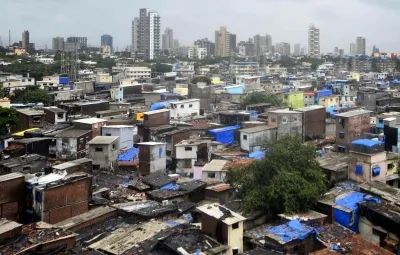
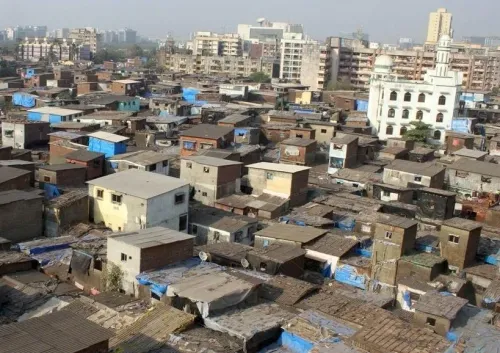
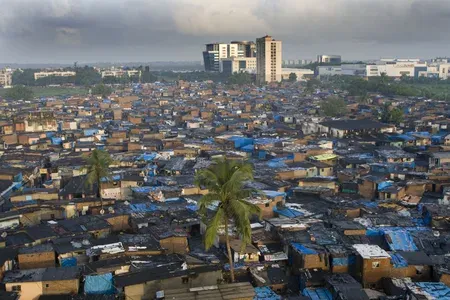
The DRP stated that clearing these structures was identified as a critical prerequisite for executing major public and railway infrastructure projects, including enabling construction for rehabilitation at the Mahim and Matunga railway lands. The authority framed the demolition as essential to the broader redevelopment of Dharavi, one of Asia's largest informal settlements and a project of significant urban and political consequence in Maharashtra.
On Rental Assistance and Eligibility
The DRP reiterated that rental assistance is provided to all affected families regardless of the final determination of their eligibility status. Residents with pending eligibility status are given adequate opportunities to complete document verification before competent government authorities. The authority warned, however, that occupants who fail to vacate despite receiving due notice and the completion of legal proceedings risk forfeiting rental assistance and relocation benefits under applicable statutory provisions.
The Authority's Position
'The Dharavi Redevelopment Project remains committed to implementing rehabilitation in a transparent, lawful, and humane manner while ensuring timely delivery of critical public infrastructure and safeguarding the rights of all eligible beneficiaries,' the official statement said. The clarification comes amid broader scrutiny of the pace and process of the Dharavi redevelopment, which has faced repeated contestation from residents and civil society groups over transparency and adequate notice. How the authority balances infrastructure timelines with resident rights will remain a key flashpoint as the project advances.
Point of View
And the broader pattern of contestation around Dharavi, indicates that procedural compliance alone does not resolve the deeper tension between infrastructure urgency and community trust. The authority's warning that non-compliant residents risk losing rental assistance raises a harder question: when the law is technically followed but affected communities still feel blindsided, who bears accountability for the gap between process and perception?
NationPress
7 Aug 2026
Frequently Asked Questions
Were Ganesh Nagar–Meghwadi residents evicted without notice?
No, according to the Dharavi Redevelopment Project. The authority says it issued a public notice in April, served individual vacation notices, conducted formal hearings on 6 July and 13 July, and displayed public demolition notices on 28 July before the 6 August demolition.
How many structures were demolished and how many residents left voluntarily?
Of 16 identified structures and hutments, 12 occupants voluntarily vacated after counselling. The remaining 4 structures were cleared with police assistance after occupants refused to comply with legal notices.
Why were these structures in Ganesh Nagar–Meghwadi demolished?
The DRP stated the clearance was a critical prerequisite for major public and railway infrastructure projects, including construction for rehabilitation at the Mahim and Matunga railway lands as part of the broader Dharavi redevelopment.
Will evicted residents receive rental assistance?
The DRP says rental assistance is provided to all affected families regardless of their final eligibility determination. However, the authority warned that occupants who fail to vacate despite due process risk forfeiting rental assistance and relocation benefits under applicable statutory provisions.
What is the Dharavi Redevelopment Project?
The Dharavi Redevelopment Project is a large-scale government initiative to redevelop Dharavi in Mumbai, one of Asia's largest informal settlements, through slum rehabilitation, infrastructure upgrades, and the construction of formal housing. It is jointly overseen by the DRP and the Slum Rehabilitation Authority.