Iran Opens Strait of Hormuz Amid Ceasefire; Trump Acknowledges
Synopsis
Iran has officially opened the Strait of Hormuz during the ceasefire, a decision confirmed by President Trump, who also noted the continuation of the US blockade. This pivotal development has significant implications for global oil markets.
Key Takeaways
Strait of Hormuz is open for commercial vessels during the ceasefire.
US President Trump confirmed the opening while maintaining the blockade.
Oil prices dropped significantly following the announcement.
The situation remains fluid, with potential implications for global markets.
Military vessels are not allowed through the strait.
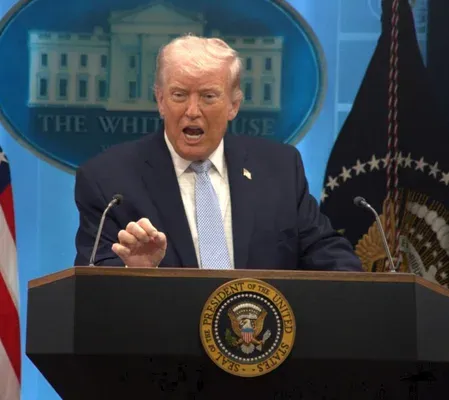
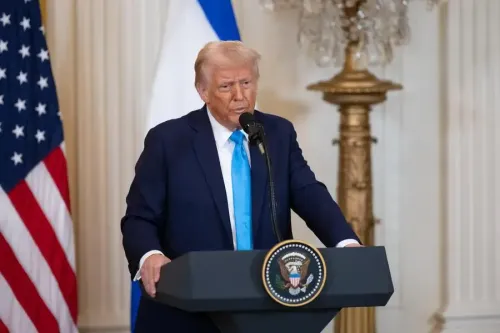
New York, April 17 (NationPress) Iran declared on Friday that the Strait of Hormuz would remain open throughout the ceasefire period, a statement confirmed by US President Donald Trump via a “thank you” message, although he emphasized that the US blockade on Iranian ports would persist.
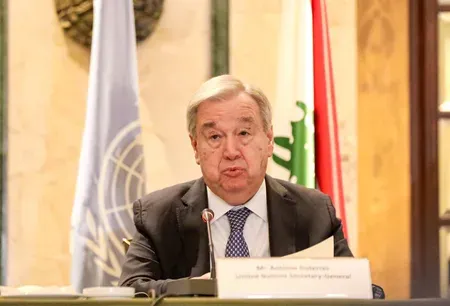
Iran's Foreign Minister, Seyed Abbas Araghchi, announced on X, “The passage for all commercial vessels through the Strait of Hormuz is officially declared completely open for the remaining duration of the ceasefire.”
This announcement was linked to the 10-day ceasefire established on Thursday between Lebanon and Israel.
He stated that the opening aligns with the ceasefire in Lebanon.
Interestingly, Trump referred to the Strait of Hormuz as the “Strait of Iran” in his post.
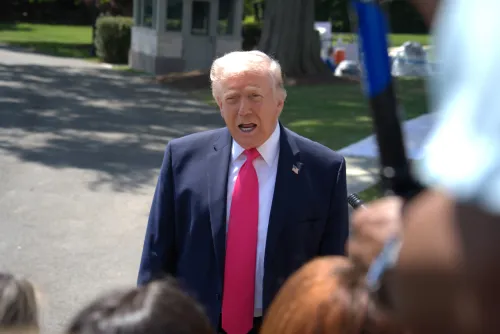
In an enthusiastic all-caps message on Truth Social, he wrote, “IRAN HAS JUST ANNOUNCED THAT THE STRAIT OF IRAN IS FULLY OPEN AND READY FOR FULL PASSAGE. THANK YOU!”
However, he quickly followed this with another message declaring that “the naval blockade will remain in full force concerning Iran until our transaction with Iran is completely finalized.”
Nevertheless, he noted that “this process should proceed swiftly as most points are already negotiated.”
Following this news, oil prices dropped by approximately 9 percent on Friday morning in New York, boosting stock markets, with the Dow Jones Industrial Index rising by 1.5 percent.
The Iranian statement on the Strait's opening did not clarify whether it pertained to the ten-day ceasefire between Lebanon and Israel, which concludes in nine days, or the 14-day Iran-US ceasefire, effective until next Tuesday.
Araghchi mentioned that vessels would need to follow “the coordinated route as previously announced by the Ports and Maritime Organisation of the Islamic Republic of Iran.”
He specified that this opening was intended for “commercial vessels,” indicating that military ships would not be permitted.
The closure of the Strait, following the Israel-US bombing of Iran on February 28, significantly impacted nations reliant on oil, gas, and fertilizer imports from the Gulf.
With around 20 percent of the world's fossil fuel transiting through this crucial chokepoint, the global economy has felt the effects, reaching even the petrol stations close to the White House.
Point of View
It is evident that while Iran seeks to open crucial maritime routes for commerce, the US maintains its stance on blockades, indicating a complex interplay of diplomacy and regional security. This situation requires careful observation as it unfolds.
NationPress
19 Sept 2026
Frequently Asked Questions
What is the significance of the Strait of Hormuz being open?
The Strait of Hormuz is a critical maritime passage for global oil shipments, and its accessibility can significantly influence oil prices and international trade.
How does this ceasefire affect US-Iran relations?
While the ceasefire may seem to ease tensions temporarily, the continued US blockade suggests that underlying conflicts remain unresolved.
What was Trump's response to Iran's announcement?
Trump acknowledged Iran's declaration with a 'thank you' but reiterated that the US blockade would continue until further negotiations are complete.
What impact did this news have on oil prices?
Following the announcement, oil prices fell by around 9%, reflecting the market's reaction to the news.
Are military vessels allowed in the Strait of Hormuz?
According to Iranian officials, the opening is specifically for commercial vessels, with naval ships not permitted.