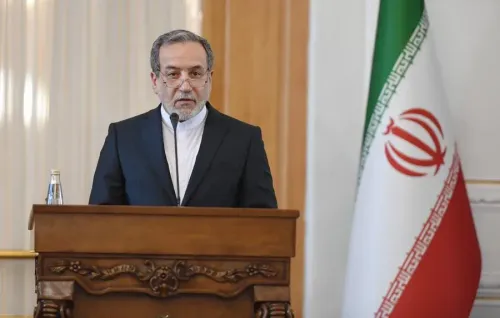
Iran-US ceasefire agreed on all fronts, naval blockade to lift: Iranian FM
Synopsis
In a sudden reversal from the brink of escalation, Iran and the US announced a ceasefire on all fronts on 15 June, with the US naval blockade lifted the same night and a peace MoU scheduled for signing in Switzerland on 19 June. The catch: Israel has already signalled it does not consider itself bound by the Lebanese clause — a crack that could test the deal before the ink dries.
Key Takeaways
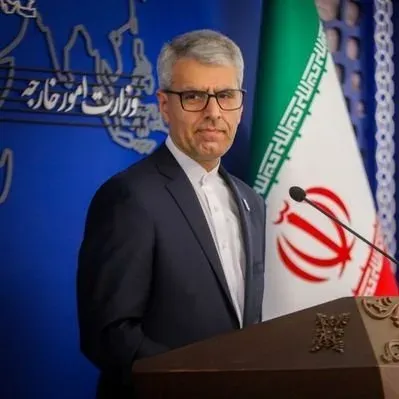
Iranian Deputy FM Kazem Gharibabadi announced on 15 June that the US naval blockade against Iran would be lifted the same night.
Iran and the US will sign a peace MoU in Switzerland on 19 June ; the Strait of Hormuz is set to reopen after signing.
Iran's entry into 60-day nuclear talks and sanctions removal discussions is conditional on US fulfilling preliminary commitments before the signing.
US President Donald Trump confirmed the deal on Truth Social; Pakistani PM Shehbaz Sharif announced it on X.
Israeli PM Benjamin Netanyahu reportedly told Trump that Israel 'does not consider itself committed to the Lebanese clause' of the agreement.
Iran's SNSC had warned of an imminent response to an Israeli strike on Beirut just hours before the ceasefire was announced.
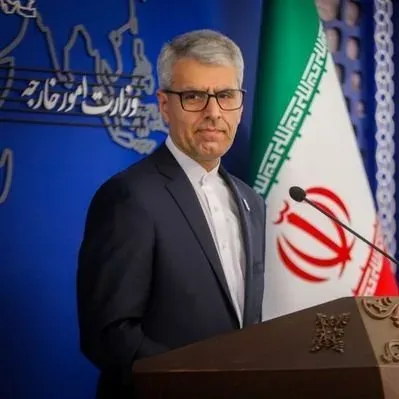
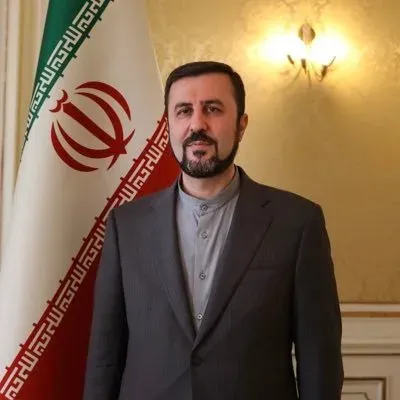
Iranian Deputy Foreign Minister for Legal and International Affairs Kazem Gharibabadi announced early Monday, 15 June that the US naval blockade against Iran would be lifted the same night, and that an immediate and permanent end to military operations on all fronts — including Lebanon — had been declared. The announcement marks one of the most significant diplomatic breakthroughs in the prolonged US-Iran standoff.
Key Developments
Gharibabadi confirmed that Iran and the United States will sign a finalised draft of a peace memorandum of understanding (MoU) in Switzerland on 19 June, according to reports citing Iran's semi-official Tasnim news agency. A separate source cited by Tasnim indicated that the Strait of Hormuz will reopen following the signing ceremony.
Iran's state broadcaster IRIB TV, also citing Gharibabadi, reported that Iran's entry into a 60-day period of nuclear negotiations with Washington — including discussions on the removal of sanctions — will depend on the US fulfilling its preliminary commitments, which Tehran says it will verify between now and the 19 June signing date.
What Trump and Sharif Said
Pakistani Prime Minister Shehbaz Sharif was among the first to announce the agreement, posting on social media platform X that the two sides had declared the 'immediate and permanent termination of military operations on all fronts, including in Lebanon.' Sharif added that mediators would facilitate a series of meetings this week to prepare for implementation.
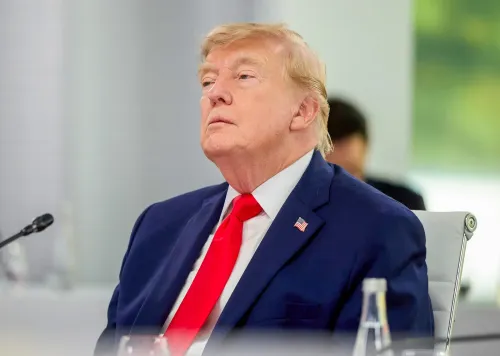
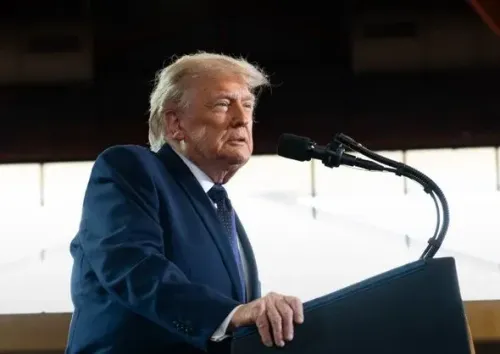
Minutes later, US President Donald Trump posted on his Truth Social platform that the US-Iran peace deal 'is now complete,' stating he had authorised the 'toll-free opening of the Strait of Hormuz' and the immediate removal of the US naval blockade against Iranian ports.
Israel's Position
However, the agreement faces an early complication. Israel's Ma'ariv news site, citing Israeli sources, reported that in a phone call between Israeli Prime Minister Benjamin Netanyahu and Trump, Netanyahu made clear that Israel 'does not consider itself committed to the Lebanese clause in the US-Iran agreement.' This signals potential friction over the ceasefire's reach into Lebanon.
Background and Context
The MoU came as a surprise, given that Iran's Supreme National Security Council (SNSC) had warned just Sunday evening of an imminent response to an earlier Israeli strike on Beirut, Lebanon's capital. Mohammad Bagher Zolghadr, secretary of the SNSC, was quoted by IRIB TV as saying: 'Lebanon is our lifeblood, and any violation of Iran's red lines will not be tolerated.' The rapid pivot from war footing to a signed MoU within hours underscores the behind-the-scenes intensity of the diplomatic push.
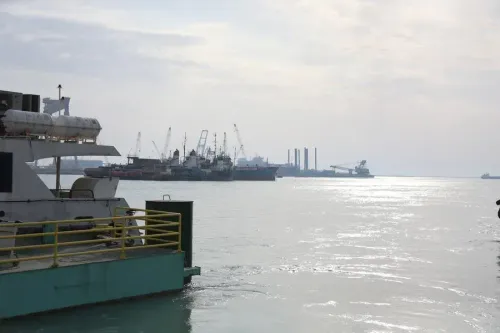
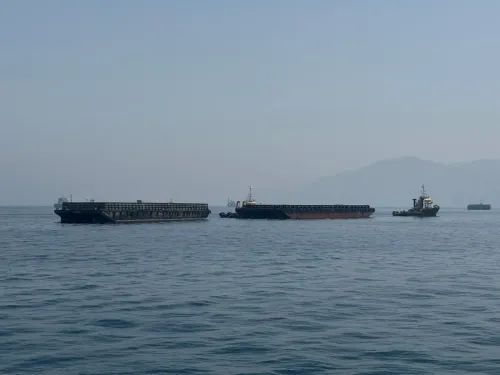
The Strait of Hormuz — through which roughly 20% of global oil supply transits — had been a major flashpoint, with the blockade raising fears of an energy supply shock. Its reopening, if confirmed, would ease pressure on global crude markets. All eyes now turn to the 19 June ceremony in Switzerland and whether Israel's reservations will fracture the fragile accord before it is formally inked.
Point of View
Tehran's hardliners will have grounds to declare US commitments void before the 19 June signing even takes place. The 60-day nuclear negotiation window is also a tight rope — Iran has conditioned entry on US compliance verification, giving either side an exit ramp. This is a ceasefire on paper; whether it holds through Switzerland will depend on whether Washington can manage Tel Aviv.
NationPress
19 Sept 2026
Frequently Asked Questions
What did Iran and the US agree to on 15 June?
Iran and the US agreed to an immediate and permanent ceasefire on all military fronts, including Lebanon, on 15 June. The US naval blockade against Iran was to be lifted the same night, and both sides are set to sign a formal peace MoU in Switzerland on 19 June.
When will the Strait of Hormuz reopen?
The Strait of Hormuz is expected to reopen following the signing of the peace MoU in Switzerland on 19 June, according to a source cited by Iran's Tasnim news agency.
What is Israel's position on the US-Iran ceasefire?
Israel reportedly does not consider itself bound by the Lebanese clause of the agreement. Israeli PM Benjamin Netanyahu conveyed this directly to US President Donald Trump in a phone call, according to Israel's Ma'ariv news site citing Israeli sources.
What are the conditions for Iran entering nuclear talks with the US?
Iran's entry into a 60-day period of nuclear negotiations — which would also cover the removal of sanctions — is contingent on the US fulfilling its preliminary commitments. Tehran says it will verify US compliance between now and the 19 June signing ceremony.
Why was the ceasefire announcement a surprise?
Iran's Supreme National Security Council had warned just hours earlier, on Sunday evening, of an imminent military response to an Israeli strike on Beirut. The rapid shift to a ceasefire declaration within hours caught observers off guard and highlighted the intensity of behind-the-scenes diplomacy.