Iran-Russia FMs back peace MoU, urge UN Security Council support
Synopsis
With the Iran-US peace MoU heading for a formal signing in Switzerland on Friday, Moscow has thrown its weight behind the deal — and Tehran is already signalling that Israel's conduct in Lebanon remains a live flashpoint. The agreement to reopen the Strait of Hormuz could be the most consequential diplomatic development for global oil markets in years, but its durability hinges on implementation and Israel's next move.
Key Takeaways
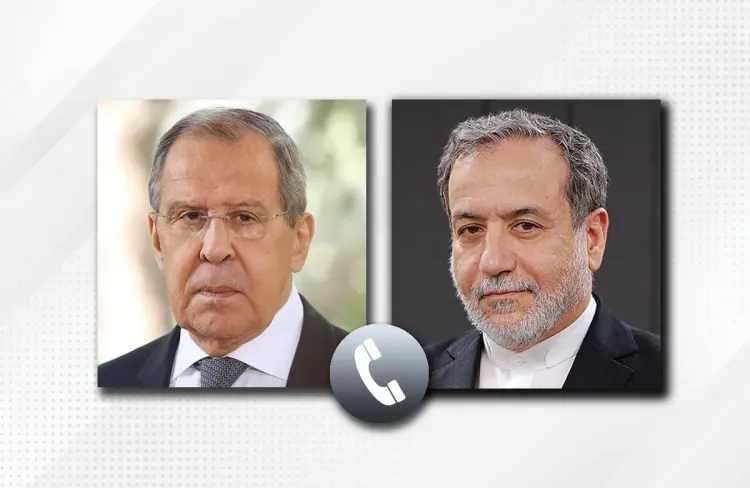
Iranian FM Seyed Abbas Araghchi briefed Russian FM Sergei Lavrov on the Tehran-Washington peace MoU in a phone call on 17 June .
Russia voiced support for full implementation of the MoU's provisions.
Both ministers called on the UN Security Council and regional countries to back the agreement.
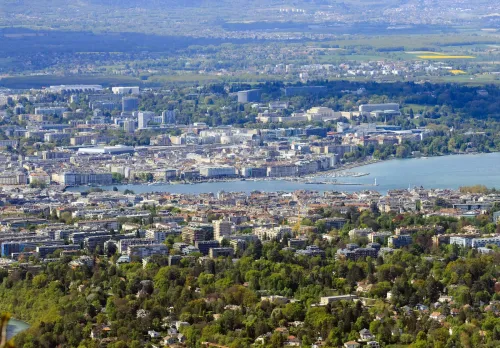
The MoU was finalised by the US, Pakistan, and Iran on 15 June and is set for formal signing in Switzerland on 20 June .
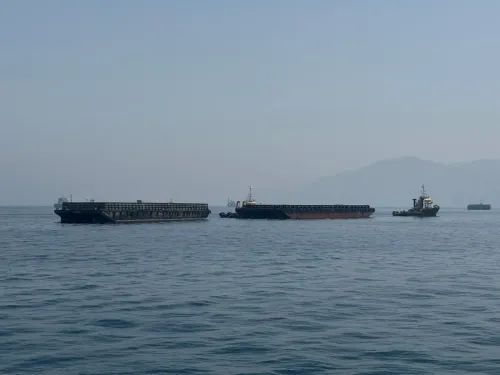
The deal includes reopening the Strait of Hormuz and lifting the US naval blockade , pending mine-removal operations.
The conflict began after Israel and the US launched joint attacks on Tehran on 28 February ; Iran responded with missile and drone strikes.
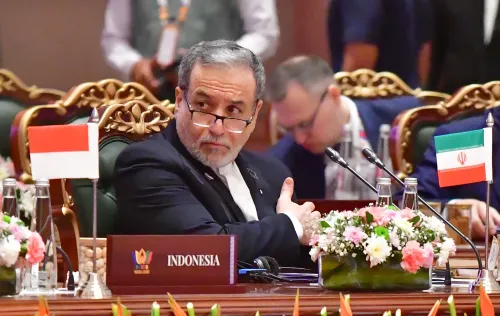
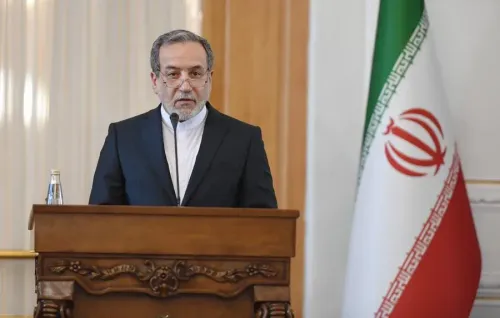
Iranian Foreign Minister Seyed Abbas Araghchi on Wednesday, 17 June held a phone call with Russian Foreign Minister Sergei Lavrov to brief him on the Memorandum of Understanding (MoU) finalised between Tehran and Washington aimed at ending the ongoing conflict. The two ministers jointly called on the international community and the UN Security Council to back the agreement's implementation.
What Araghchi Told Lavrov
According to a statement released by the Iranian Foreign Ministry, Araghchi outlined the MoU's provisions in detail during the call, underlining what Tehran describes as the United States' responsibility to properly fulfil its commitments under the deal. He also stressed the necessity of halting what Iran characterises as Israel's 'aggressions' against Lebanon.
Lavrov, in turn, welcomed the finalisation of the MoU and conveyed Russia's support for the full implementation of its terms, according to reports.
Joint Call for International Backing
The two ministers urged regional countries to sustain diplomatic cooperation as a means of ensuring lasting peace and stability. They also reviewed the state of bilateral Iran-Russia ties and discussed regional issues of shared concern, the Iranian Foreign Ministry statement noted.
Background: How the MoU Came Together
The United States, Pakistan, and Iran announced on Monday, 15 June that negotiations had concluded and an MoU on ending the war had been finalised. The agreement is set to be officially signed in Switzerland on Friday, 20 June.
The conflict escalated sharply after Israel and the United States launched joint attacks on Tehran and other Iranian cities on 28 February. Iran responded with waves of missile and drone strikes targeting Israeli positions and US bases and assets across the region.
Trump's Announcement and the Strait of Hormuz
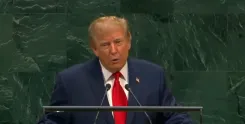
Earlier this week, US President Donald Trump declared that Washington and Tehran had completed a deal that would reopen the Strait of Hormuz and lift the US naval blockade — a move he described as a major breakthrough after months of conflict that rattled global energy markets and raised fears of a wider regional war.
In a post on Truth Social, Trump wrote: 'The Deal with the Islamic Republic of Iran is now complete. Congratulations to all! I hereby fully authorize the toll free opening of the Strait of Hormuz, and, simultaneously herewith, authorize the immediate removal of the United States Naval blockade. Ships of the World, start your engines. Let the oil flow!'
In a follow-up post, Trump framed the agreement as a historic diplomatic milestone: 'This Great Deal will bring Peace and Security to the whole Region.' He added, 'Many presidents have tried to make Peace with Iran, and all have failed before me,' and noted that the formal signing is linked to mine-removal operations in the Strait. 'With the opening of the Strait upon the signing of the Deal on Friday, for purposes of mine removal, oil will flow on both ends again for the Region, and the World!' he said.
What Comes Next
The formal signing in Switzerland on Friday will be closely watched by global energy markets, which have been on edge since the blockade disrupted oil flows through one of the world's most critical maritime chokepoints. Whether the agreement holds — and whether Israel's role in the region is addressed to Tehran's satisfaction — will determine how durable this diplomatic breakthrough proves to be.
Point of View
If it holds, would be the single most impactful near-term consequence for global energy markets, but linking it to mine-removal operations introduces a technical timeline that could slip. The real test of this deal is not the signing ceremony in Switzerland — it is the week after.
NationPress
22 Sept 2026
Frequently Asked Questions
What is the Iran-US peace MoU and what does it cover?
The MoU is a Memorandum of Understanding finalised by the United States, Pakistan, and Iran on 15 June, aimed at ending the ongoing conflict between the two countries. It includes provisions for reopening the Strait of Hormuz and lifting the US naval blockade, with a formal signing scheduled in Switzerland on 20 June.
Why did Iran's FM brief Russia's FM on the peace deal?
Iranian Foreign Minister Seyed Abbas Araghchi briefed Sergei Lavrov to secure Russia's diplomatic backing for the MoU's implementation. Russia, a key ally of Iran, subsequently voiced its support and joined Tehran in calling on the UN Security Council to endorse the agreement.
What is the significance of the Strait of Hormuz in this deal?
The Strait of Hormuz is one of the world's most critical oil transit chokepoints. Its closure during the conflict disrupted global energy markets and raised fears of a wider regional war. Reopening it — tied to mine-removal operations — is a central provision of the peace agreement.
When and where will the peace MoU be formally signed?
The agreement is set to be officially signed in Switzerland on Friday, 20 June, following its finalisation by the US, Pakistan, and Iran on 15 June.
How did the current Iran-US conflict begin?
The conflict escalated after Israel and the United States launched joint attacks on Tehran and other Iranian cities on 28 February. Iran responded with waves of missile and drone strikes targeting Israeli positions and US military bases and assets across the region.