Iran-US peace MoU: Ending Lebanon war is integral, says Tehran
Synopsis
Iran has embedded a Lebanon war-ending clause directly into its peace MoU with the United States — and added a hard stop: if Israel strikes Lebanon or Iran while the deal is live, the Strait of Hormuz reopening is off the table. The late addition of Article 1 to Article 13 signals Tehran is using the strait as its ultimate leverage in a sweeping deal that also covers sanctions, frozen assets, and nuclear talks.
Key Takeaways
Iranian Foreign Ministry spokesman Esmaeil Baghaei confirmed on 15 June that ending the war in Lebanon is an integral part of the Iran-US peace MoU .
A last-minute clause ( Article 1 added to Article 13 ) suspends the MoU — including Strait of Hormuz reopening — if any military operation targets Iran or the 'resistance front', including Lebanon.
The MoU commits the United States to lift all sanctions against Iran, including UN Security Council and IAEA-related measures.
Iran must be able to sell oil, petrochemical, and petroleum products freely upon the MoU's signing on Friday .
Iran and Oman will jointly manage Strait of Hormuz passage — no tolls, but service charges for navigation, environment, and insurance will apply.
The US will bear responsibility for violations by its regional allies , according to Baghaei.
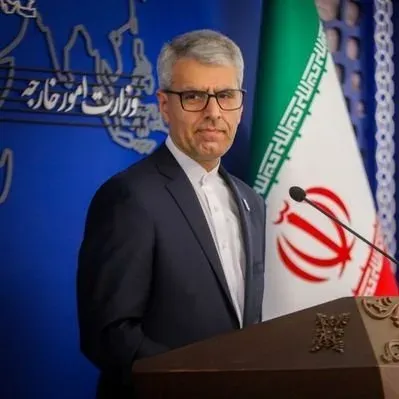
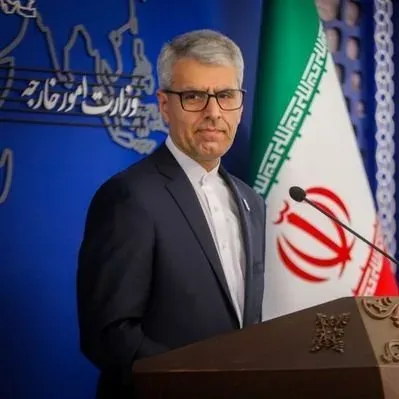
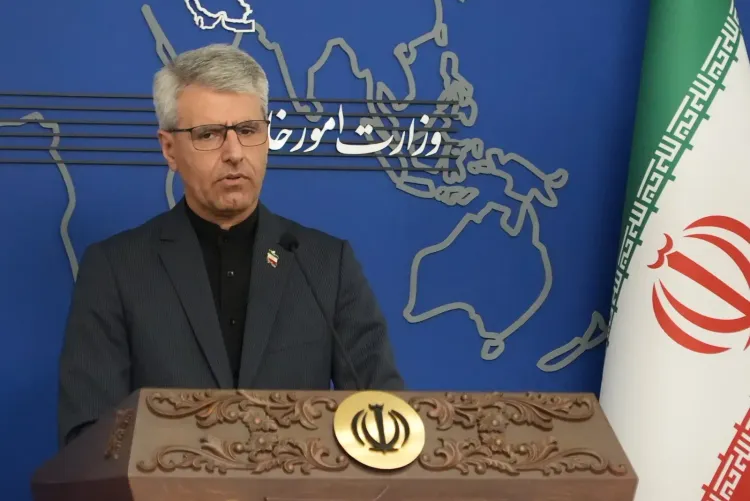
Iranian Foreign Ministry spokesman Esmaeil Baghaei said on Monday, 15 June that ending the war in Lebanon is an integral component of the recently finalised peace memorandum of understanding (MoU) between Iran and the United States, according to local media reports. Baghaei made the remarks at a weekly press conference in Tehran, underscoring Iran's resolve to halt Israeli strikes against Lebanon under the framework announced between the two countries earlier that day.
Key Provisions of the MoU
Baghaei outlined several core commitments embedded in the agreement. These include the release of Iran's frozen assets, reconstruction funding for war-related damage, and a US commitment to lift all sanctions — covering primary and secondary sanctions, those of the United Nations Security Council, and relevant resolutions adopted by the Board of Governors of the International Atomic Energy Agency (IAEA). He added that nuclear-programme-related matters are scheduled for discussion after the MoU's formal signing.
Notably, upon the MoU's signing on Friday, Iran must be permitted to sell its oil, petrochemical products, and petroleum products without restriction, Baghaei said.
The Lebanon Clause and Article 13
A significant late-stage development in the negotiations was the addition of what is being described as a protective clause. According to Iran's semi-official Tasnim News Agency, citing an informed source, Article 1 was appended to Article 13 on the final day of talks following Iran's insistence.
The clause stipulates that if any war or military operation — including assassinations — takes place in Iran or within what Tehran terms the 'resistance front', including Lebanon, all negotiations for a final agreement will be suspended. Crucially, the implementation of the MoU itself, including the reopening of the Strait of Hormuz, would also be halted under Article 13 in such a scenario.
Baghaei further noted that ending the war and establishing a ceasefire in Lebanon were already part of an 8 April ceasefire between Iran, the United States, and Israel. 'We proved to be serious in this regard in the past,' he said.
Strait of Hormuz: No Tolls, But Service Charges
On the future of the strategically vital Strait of Hormuz, Baghaei clarified that Iran, along with Oman — the other coastal state — will take necessary measures to ensure safe passage of vessels through the waterway. He stressed that Iran does not intend to levy tolls on ships transiting the strait, but will charge for services provided jointly with Oman, covering navigation assistance, environmental protection, and ships' insurance.
US Accountability Clause
Baghaei also emphasised that the United States will bear responsibility for any violation of commitments by other parties and US allies in the region — a provision that appears to extend Tehran's accountability demands beyond bilateral obligations. This comes amid broader regional tensions, with the Lebanon conflict serving as a live test of whether the MoU's protective mechanisms hold in practice.
The agreement, if fully implemented, would mark a significant diplomatic realignment in the Middle East, with implications for sanctions relief, energy markets, and the broader Iran-Israel confrontation. Whether the commitments survive the complexities of regional geopolitics remains to be seen.
Point of View
Tehran has effectively handed itself a veto over global energy flows if the ceasefire frays. That is an extraordinary piece of leverage, and Washington's willingness to accept it suggests the US calculus has shifted significantly. What mainstream coverage underplays is the accountability clause: holding the US responsible for ally behaviour is not standard diplomatic language — it is a structural demand that will be nearly impossible to enforce and almost certain to become a flashpoint.
NationPress
20 Sept 2026
Frequently Asked Questions
What is the Iran-US peace MoU announced on 15 June?
It is a memorandum of understanding between Iran and the United States, announced on 15 June, covering a range of issues including ending the war in Lebanon, lifting all sanctions on Iran, releasing frozen Iranian assets, and reopening the Strait of Hormuz. Nuclear-programme-related matters are to be discussed after the MoU is formally signed.
What is Article 13 and why does it matter?
Article 13 of the MoU governs the reopening of the Strait of Hormuz. A last-minute addition — Article 1 — stipulates that if any war or military operation, including assassinations, occurs in Iran or the 'resistance front' (including Lebanon), both the final agreement negotiations and the MoU's implementation, including Strait of Hormuz access, will be suspended. This gives Iran significant leverage over global energy shipping.
How does the MoU address the Lebanon war?
Iranian Foreign Ministry spokesman Esmaeil Baghaei said ending the war and establishing a ceasefire in Lebanon are integral to the MoU. He also noted these goals were part of an earlier 8 April ceasefire between Iran, the US, and Israel, and that Iran had demonstrated seriousness on the issue previously.
What sanctions will the US lift under the MoU?
According to Baghaei, the United States has committed to lifting all sanctions against Iran — covering primary and secondary sanctions, United Nations Security Council sanctions, and resolutions adopted by the IAEA Board of Governors. The timeline and sequencing of these measures are expected to be finalised after the MoU's signing.
Will ships pay tolls to cross the Strait of Hormuz under the new arrangement?
No tolls will be charged, according to Baghaei. However, Iran and Oman will levy service charges for navigation assistance, environmental protection, and ships' insurance for vessels transiting the strait. Iran has committed to ensuring safe and secure maritime traffic in cooperation with Oman.