Chirag Paswan Launches MoFPI's New Multilingual Website
Synopsis
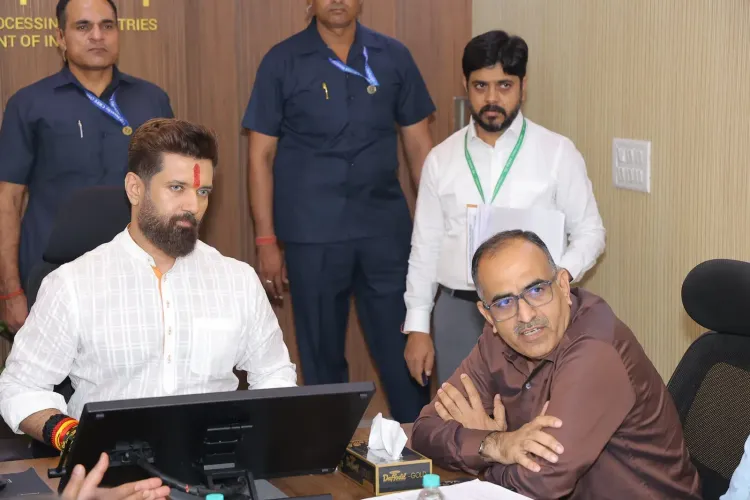
Union Food Processing Minister Chirag Paswan inaugurated MoFPI's revamped website on November 4, 2026, spotlighting multilingual access, modern data security, and citizen-centric design as central features of the upgrade.
Key Takeaways
Chirag Paswan launched the new MoFPI website on November 4, 2026 .
The portal features a multilingual interface to reach citizens in their own regional languages.
The build incorporates modern technology, robust data security, and improved security management .
The upgrade aligns with the Digital India programme (launched 2015 ) and the National e-Governance Plan .
The ministry's mandate covers reducing food wastage and boosting value addition in India's food processing sector.
Watchers will track whether similar multilingual upgrades roll out across other central ministries.
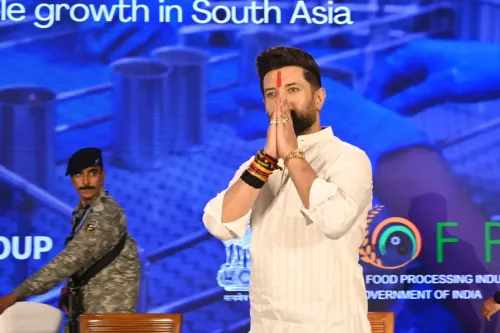
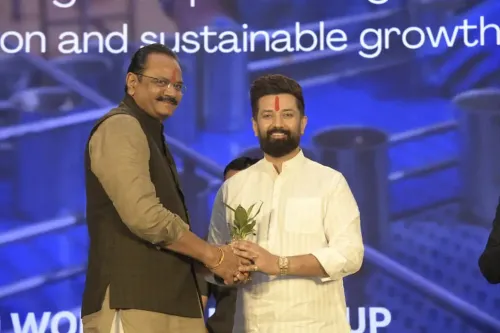
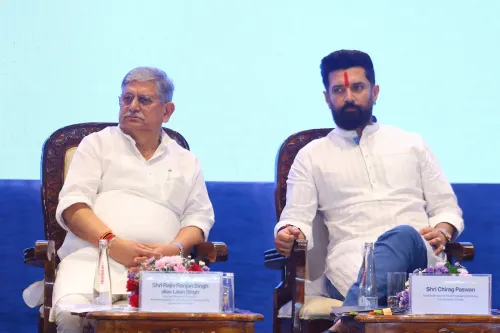
In a push to bring government information closer to every Indian in their own language, Union Food Processing Minister Chirag Paswan on Wednesday, November 4, 2026 inaugurated the redesigned official website of the Ministry of Food Processing Industries (MoFPI) — a platform rebuilt around multilingual access, modern technology, and reinforced data security.
A Website Built for India's Many Languages
Paswan, in his post on X, described the launch as a step toward reaching 'देश के अधिकाधिक लोगों तक उनकी अपनी भाषा में' — 'the maximum number of citizens in their own language.' The multilingual framework is the centrepiece of the upgrade, designed to dissolve the barrier that English-only government portals have historically posed for the vast majority of Indians who navigate daily life in regional languages.
India is home to 22 officially recognised languages and hundreds of dialects — a reality that has long complicated the reach of centrally administered scheme information. A multilingual MoFPI portal directly serves farmers, food entrepreneurs, and small processors in states where Hindi and English penetration is limited.
Where This Fits in India's E-Governance Arc
The relaunch is not an isolated move. Since the Digital India programme was launched in 2015, successive governments have methodically upgraded central ministry websites under the National e-Governance Plan, prioritising transparency, citizen-centric design, and data protection. MoFPI's new portal lands squarely in that lineage — with Paswan specifically flagging 'modern technology, robust data security, and better security management' as the technical pillars of the new build.
For a ministry whose mandate spans reducing food wastage and boosting value addition across India's agricultural supply chain, digital accessibility is not cosmetic. Scheme eligibility details, subsidy guidelines, and application portals that farmers and food-processing entrepreneurs can actually read — in Marathi, Telugu, Bengali, or Tamil — translate directly into uptake on the ground.
Transparency and Citizen Services at the Core
Paswan framed the launch as a commitment to 'डिजिटल सुगमता, पारदर्शिता और नागरिक-केंद्रित सेवाओं' — 'digital accessibility, transparency, and citizen-centric services.' Enhanced data security features address a persistent concern with government portals that handle personal and business registration data, bringing the site in line with contemporary cybersecurity standards expected of central government infrastructure.
The food processing sector — a strategic node linking agriculture to manufacturing — stands to benefit as more stakeholders can now access ministry communications without language as a friction point. Analysts tracking e-governance rollouts will watch whether similar upgrades cascade to other ministries in the coming months.
A government portal is only as useful as it is accessible — and today, MoFPI's digital front door just opened a lot wider.
Point of View
Who leads both the ministry and the Lok Janshakti Party (Ram Vilas), a tangible digital delivery reinforces an image of administrative action beyond legislative headlines. The multilingual emphasis is particularly pointed: food processing schemes targeting rural and semi-urban processors have historically suffered low awareness in non-Hindi-speaking states, and a language-first portal could modestly improve that reach. The broader pattern — incremental e-governance upgrades across central ministries — continues apace, with integration into active scheme portals the real test of impact.
NationPress
4 Nov 2026
Frequently Asked Questions
What is the new MoFPI website about?
The Ministry of Food Processing Industries (MoFPI) launched a redesigned official website on November 4, 2026, featuring a multilingual interface, modern technology, and enhanced data security to improve citizen access to ministry information and services.
Who launched the MoFPI website?
Union Food Processing Minister Chirag Paswan inaugurated the new MoFPI website on November 4, 2026.
What languages does the new MoFPI website support?
The website is designed with a multilingual framework to reach Indian citizens in their own regional languages, though specific language names were not listed in the official announcement.
How does the MoFPI website connect to Digital India?
The upgrade follows the Digital India programme launched in 2015 and the National e-Governance Plan, both of which mandate that central ministry websites prioritise digital accessibility, transparency, and multilingual citizen services.
Why is a multilingual food ministry website important?
India has 22 officially recognised languages; a multilingual MoFPI portal helps farmers, food entrepreneurs, and small processors in non-Hindi-speaking regions access scheme details, subsidies, and applications in a language they understand, directly improving uptake.