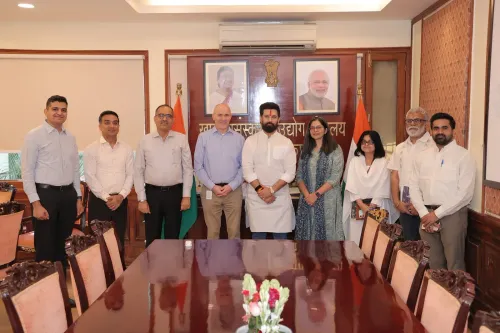
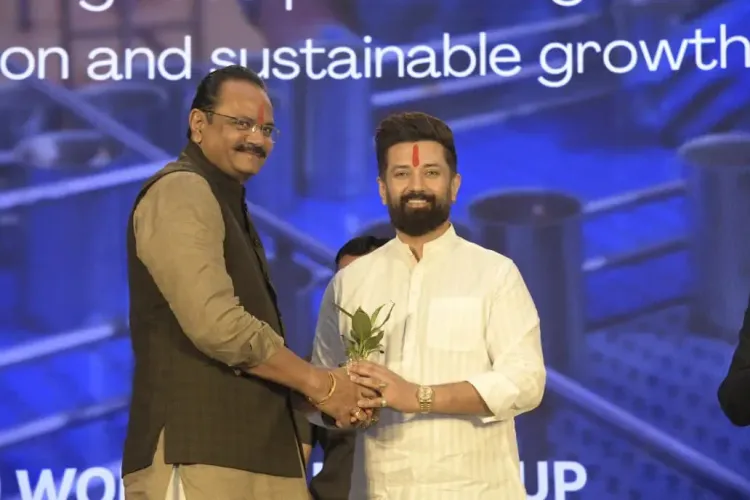
Chirag Paswan addresses SAPLING Regional Dialogue in Ahmedabad
Synopsis
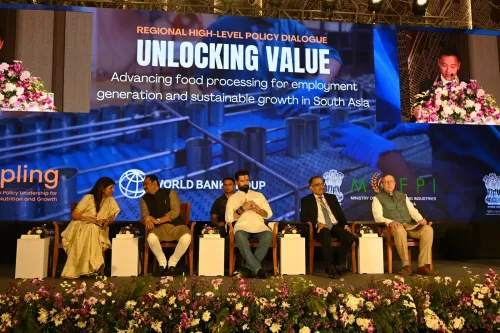
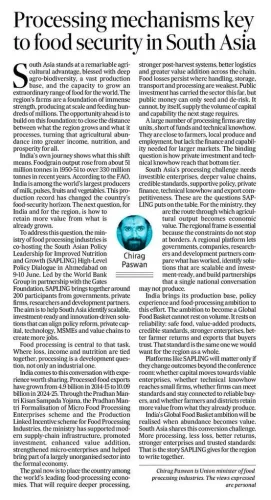
Union Food Processing Minister Chirag Paswan addressed the inaugural session of the SAPLING High-Level Regional Policy Dialogue 2026 in Ahmedabad on June 9. Co-hosted by MoFPI and the World Bank, the platform unites governments, industry, innovators and development partners to advance food processing-led growth across South Asia.
Key Takeaways
Chirag Paswan addressed the inaugural session of the SAPLING High-Level Regional Policy Dialogue 2026 in Ahmedabad on June 9, 2026 .
The dialogue is co-hosted by the Ministry of Food Processing Industries and the World Bank .
The platform brings together governments, industry, innovators, and development partners to advance food processing-led growth across South Asia .
India's food processing sector is underpinned by schemes including the Pradhan Mantri Kisan Sampada Yojana (2017) and the Mega Food Parks scheme (2008).
Key outcomes to watch include a joint communiqué and any follow-up project pipeline from the dialogue.
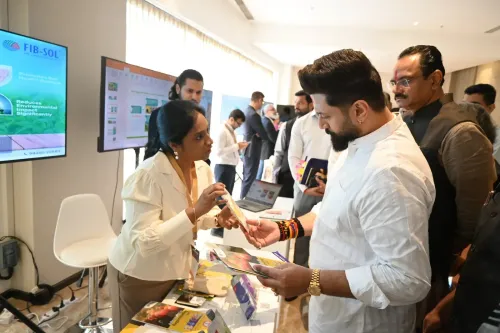
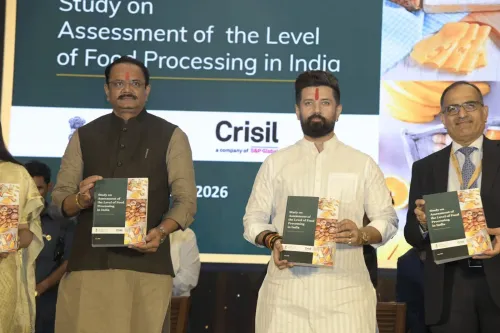
Union Food Processing Minister Chirag Paswan on Tuesday, June 9, 2026, addressed the inaugural session of the SAPLING High-Level Regional Policy Dialogue 2026 in Ahmedabad, a platform co-hosted by the Ministry of Food Processing Industries (MoFPI) and the World Bank to drive food processing-led growth across South Asia.
Context
The dialogue convened governments, industry representatives, innovators, and development partners under one roof to advance regional cooperation in the food processing sector. Ahmedabad, a commercial hub in Gujarat, has increasingly served as a venue for high-profile national and regional policy events centred on industry and agriculture. The minister's address at the inaugural session signals MoFPI's intent to place South Asian regional collaboration at the heart of India's food processing agenda.
Policy Backdrop
India's food processing sector has been shaped by a series of central government interventions aimed at reducing post-harvest losses and raising farmer incomes. The Pradhan Mantri Kisan Sampada Yojana, launched in 2017, created an umbrella framework for modern infrastructure including mega food parks and cold chains. Earlier, the Mega Food Parks scheme of 2008 and the PM Formalisation of Micro Food Processing Enterprises scheme of 2020 extended credit-linked support to micro units, collectively building a layered policy architecture that MoFPI now seeks to internationalise through platforms such as SAPLING.
The World Bank has been a consistent technical partner in strengthening agri-food value chains and regulatory frameworks across South Asia. Its co-hosting role in the SAPLING dialogue underscores the multilateral dimension of India's food processing diplomacy, where best practices on standards, technology adoption, and cross-border trade facilitation are shared among neighbouring economies.
Stakeholders and Impact
The dialogue's four-way structure — governments, industry, innovators, and development partners — reflects the breadth of constituencies that food processing reform must engage. Small and marginal farmers across South Asia stand to benefit most directly if the dialogue produces actionable frameworks on value addition and supply chain integration. For Indian food processors, a regionally harmonised standards environment could ease export pathways to neighbouring markets.
Development partners attending the session are expected to assess gaps in cold-chain infrastructure, food safety regulation, and technology transfer that could anchor future lending or grant pipelines. The presence of innovators alongside policymakers also points toward an agenda that blends regulatory reform with private-sector solutions.
What's Next
Observers will watch for a joint communiqué or a follow-up project pipeline emerging from the SAPLING dialogue, which could translate the high-level conversation into bankable proposals. Any announcements linking MoFPI's budgetary allocations to regional cooperation outcomes would mark a concrete step beyond the dialogue's stated intent. The minister's participation at the inaugural session positions India as the convening power for South Asian food processing reform, a role that carries both diplomatic weight and domestic political signalling ahead of future budget cycles.
Point of View
MoFPI is extending India's domestic food processing reform narrative into a regional diplomacy framework — a move that serves both economic and strategic interests in South Asia. For Chirag Paswan, leading such a multilateral platform reinforces his ministerial profile on a subject — farmer income and food value chains — that carries significant electoral resonance for the LJP (Ram Vilas) base in Bihar. The World Bank's co-hosting role also signals that international capital is aligned with India's ambition to become the anchor economy for South Asian agri-food development. Whether the dialogue produces binding commitments or remains a consultative exercise will determine its real policy weight.
NationPress
24 Oct 2026
Frequently Asked Questions
What is the SAPLING High-Level Regional Policy Dialogue 2026?
The SAPLING High-Level Regional Policy Dialogue 2026 is a regional platform co-hosted by India's Ministry of Food Processing Industries and the World Bank, held in Ahmedabad on June 9, 2026, to advance food processing-led growth across South Asia by bringing together governments, industry, innovators, and development partners.
Why was the SAPLING dialogue held in Ahmedabad?
Ahmedabad, a major commercial hub in Gujarat, is frequently chosen for national and regional policy events on industry and agriculture, making it a fitting venue for a high-level South Asian food processing dialogue.
What is Chirag Paswan's role in the food processing sector?
Chirag Paswan is the Union Minister of Food Processing Industries and national president of the Lok Janshakti Party (Ram Vilas). His ministry oversees policy and infrastructure development for India's food processing sector, including flagship schemes aimed at reducing post-harvest losses and raising farmer incomes.
What is the World Bank's involvement in India's food processing sector?
The World Bank is a multilateral partner that provides technical assistance and financing to strengthen agri-food value chains and regulatory frameworks across South Asia, and co-hosted the SAPLING dialogue alongside MoFPI.
What schemes support India's food processing sector?
Key schemes include the Pradhan Mantri Kisan Sampada Yojana (2017), which funds mega food parks and cold chains, the Mega Food Parks scheme (2008), and the PM Formalisation of Micro Food Processing Enterprises scheme (2020), which extends credit-linked support to micro-level food processing units.