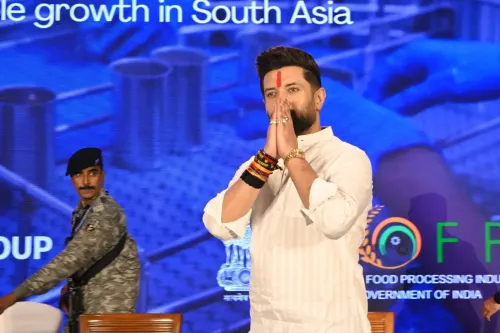
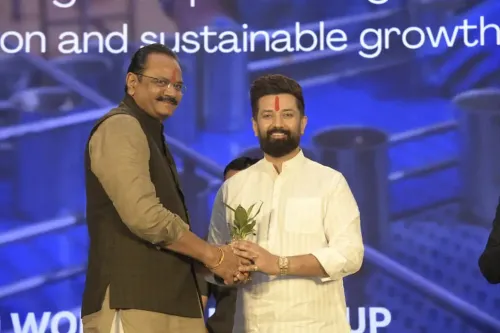
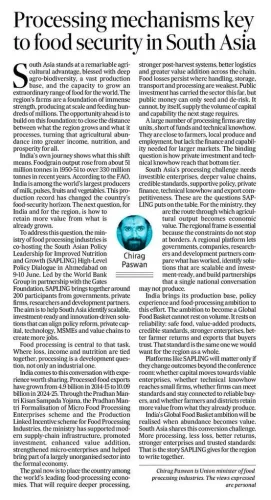
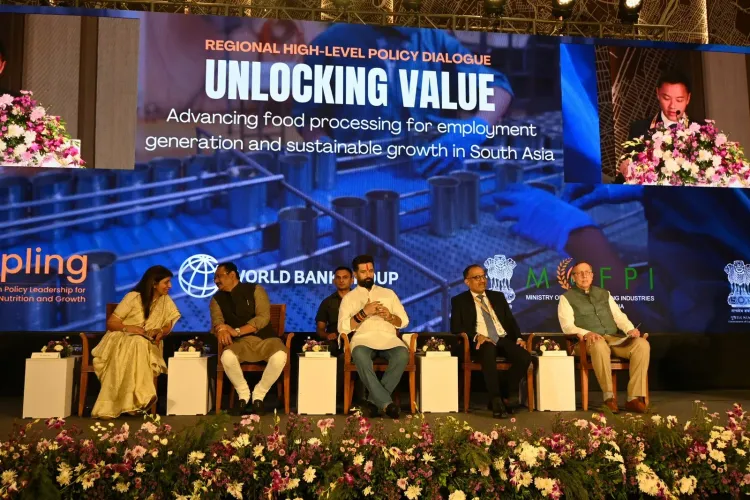
Chirag Paswan backs SAPLING to boost South Asia food value chains
Synopsis
Union Food Processing Minister Chirag Paswan on June 9 backed SAPLING, a South Asia-focused food-processing platform, saying the region must unlock more value from its agricultural output — building on India's decade-long domestic policy push through PMKSY, PMFME and liberalised FDI norms.
Key Takeaways
Chirag Paswan publicly endorsed SAPLING on June 9, 2026 , describing it as a platform to help South Asia extract greater value from its agricultural produce.
The minister cited India's decade-long expansion of its food processing ecosystem through infrastructure, technology, entrepreneurship and value-chain development.
Domestic policy anchors include PMKSY (launched 2017 ) and PMFME (launched 2020 ), which built food parks, cold chains and support for micro food processors.
India has progressively liberalised FDI norms in food processing since 2016 to attract private investment in value addition.
Key beneficiaries of a regional platform would include small farmers , micro processors and rural entrepreneurs across South Asia .
Formal programme details, budget allocations and partner-country commitments for SAPLING are yet to be publicly announced.
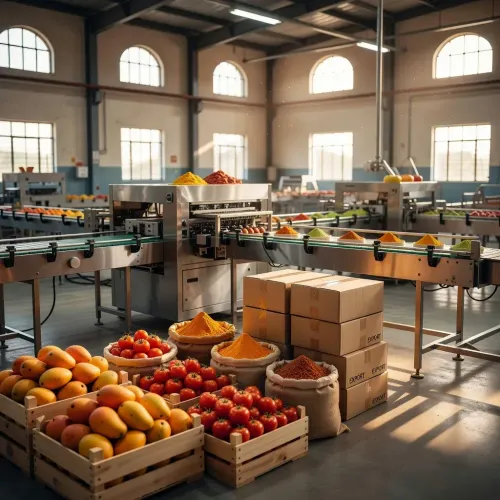
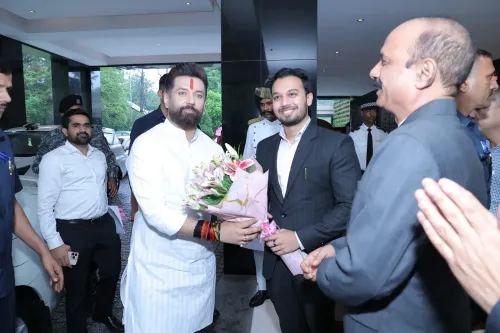
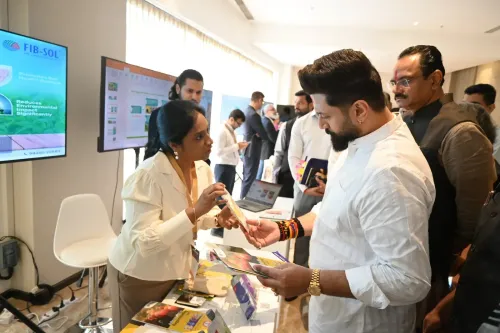
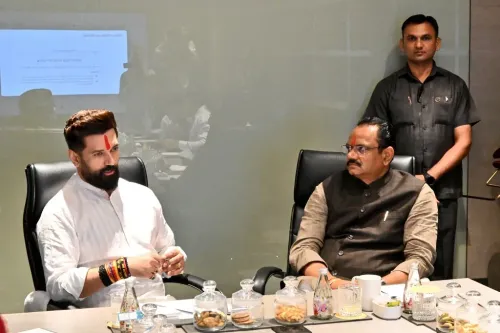
Union Food Processing Minister Chirag Paswan on Tuesday, June 9, 2026, voiced strong support for a South Asia-focused food-processing initiative called SAPLING, saying the platform's core idea is to help the region unlock greater value from its existing agricultural output. The minister's remarks, posted on X, also highlighted India's decade-long expansion of its food processing ecosystem through infrastructure investment, technology adoption, entrepreneurship and stronger value chains.
Context
In his post, Chirag Paswan described the philosophy behind SAPLING in clear terms: 'South Asia must unlock more value from what it already grows.' He added that over the past decade, India has 'steadily expanded its food processing ecosystem through infrastructure, technology, entrepreneurship and stronger value chains.' The statement positions SAPLING as a regional extension of the domestic policy push that has defined the Ministry of Food Processing Industries in recent years.
The minister did not specify a launch date or full programme details for SAPLING in the post, but framed it as a vehicle for translating South Asia's agricultural abundance into processed-food value — a goal that aligns with long-standing regional cooperation aspirations under frameworks such as BIMSTEC and SAARC agriculture cooperation.
Policy Backdrop
The domestic scaffolding Paswan referenced has been built over successive policy cycles. The Pradhan Mantri Kisan SAMPADA Yojana (PMKSY), launched in 2017, created mega food parks, cold-chain corridors and agro-processing clusters aimed at reducing post-harvest losses and connecting farmers to markets. Three years later, the Pradhan Mantri Formalisation of Micro Food Processing Enterprises (PMFME) scheme, announced under the Atmanirbhar Bharat package in 2020, extended credit-linked support to micro food processors and pushed the unorganised segment toward formalisation.
India also progressively liberalised FDI norms in food processing from 2016 onward to attract private capital into value-addition activities. Together, these moves shifted the policy centre of gravity from primary-production subsidies toward infrastructure, technology upgradation and enterprise formalisation — the same arc Paswan now appears to be projecting onto a regional canvas through SAPLING.
Stakeholders and Impact
The constituencies most directly affected by a South Asia food-processing platform are small and marginal farmers, micro food processors and rural entrepreneurs across the region. For Indian farmers in particular, deeper regional value chains could mean steadier demand for perishables such as fruits, vegetables and cereals that currently suffer significant post-harvest losses.
For neighbouring economies, a platform anchored in shared agricultural strengths could reduce dependence on imported processed foods and create local employment in processing, packaging and logistics. Paswan's framing — 'unlock more value from what it already grows' — signals a supply-side, value-addition approach rather than a trade-liberalisation one, which may find broader political acceptability across South Asian capitals.
What's Next
Observers will watch for formal programme guidelines, budget allocations and partner-country commitments for SAPLING in the coming months. Progress on the initiative is also likely to surface during the next parliamentary session, where the Ministry of Food Processing Industries will be expected to brief lawmakers on both domestic scheme performance and any new regional engagements.
If SAPLING advances as a structured multilateral platform, it could mark a meaningful step toward institutionalising South Asia's food-processing cooperation — translating a decade of India's domestic policy learning into a model the wider region can adapt and build upon.
Point of View
The minister sidesteps the politically sensitive tariff debates that have historically stalled South Asian economic cooperation. The move also reinforces the Ministry of Food Processing Industries' broader ambition to position India as the anchor economy for agri-value chains in the subcontinent. Whether SAPLING acquires institutional weight will depend on the multilateral buy-in it secures — and on whether domestic scheme momentum translates credibly to a regional audience.
NationPress
24 Oct 2026
Frequently Asked Questions
What is SAPLING and what does it aim to do?
SAPLING is a South Asia-focused food-processing initiative that Union Minister Chirag Paswan has endorsed as a platform to help the region unlock greater value from its existing agricultural output. Full programme details and a formal launch date have not yet been publicly announced.
What has India done in food processing over the past decade?
India expanded its food processing ecosystem through schemes such as PMKSY (2017), which built mega food parks and cold chains, and PMFME (2020), which supported micro food processors under the Atmanirbhar Bharat package. FDI norms in the sector were also progressively liberalised from 2016 onward.
Who is Chirag Paswan and which ministry does he head?
Chirag Paswan is the Union Minister of Food Processing Industries and the national president of the Lok Janshakti Party (Ram Vilas), a National Democratic Alliance constituent.
How does SAPLING relate to India's existing food processing schemes?
SAPLING appears to extend the philosophy behind domestic schemes like PMKSY and PMFME to a regional South Asian level, focusing on value-chain development and post-harvest value addition rather than primary production subsidies.
Which countries or organisations could be part of SAPLING?
The minister's post references South Asia broadly, and the initiative aligns with existing regional cooperation frameworks such as BIMSTEC and SAARC agriculture cooperation, though no specific partner countries have been officially named yet.