Chirag Paswan visits SAPLING 2026 Innovation Fair, reviews food-tech startups
Synopsis
Union Food Processing Minister Chirag Paswan visited the SAPLING 2026 Innovation Fair on June 9, reviewing innovations from young and women-led startups across South Asia using AI and advanced processing technologies to reduce food loss — a challenge estimated to affect 15-30 percent of key commodities in India.
Key Takeaways
Chirag Paswan , Union Minister of Food Processing Industries, personally reviewed innovations at the SAPLING 2026 Innovation Fair on June 9, 2026 .
Startups from India and across South Asia , including young and women-led ventures, showcased AI and advanced processing technologies aimed at cutting food loss.
Post-harvest food loss in India is estimated at 15 to 30 percent for key commodities, making reduction a core ministry priority.
The visit connects to existing schemes such as the PM FME scheme (2020) and Startup India (2016) , which support agri-food processing innovation.
Regional startup engagement reflects India's strategy of embedding food processing within South Asian neighbourhood economic cooperation frameworks.
Follow-up policy action — including potential funding windows or AI regulatory guidelines — is expected via the next Union Budget or ministry action plan.
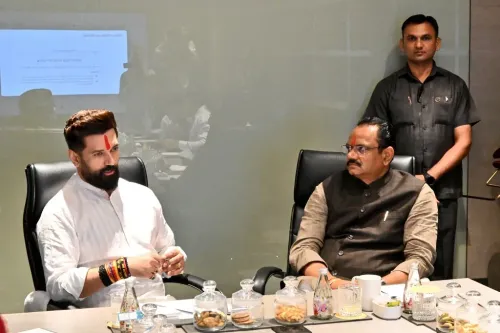
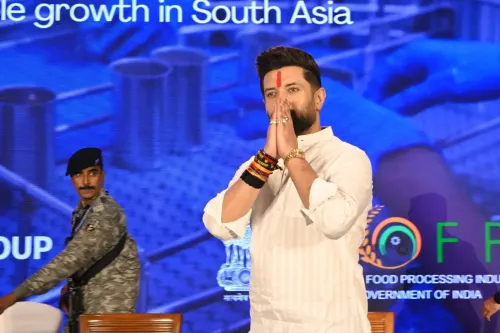
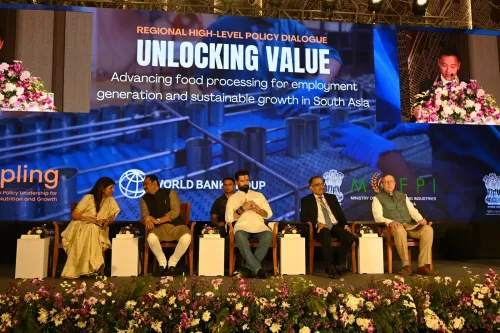
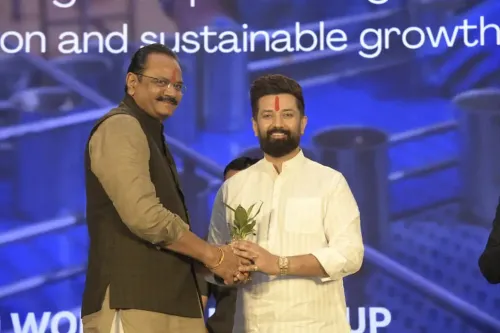
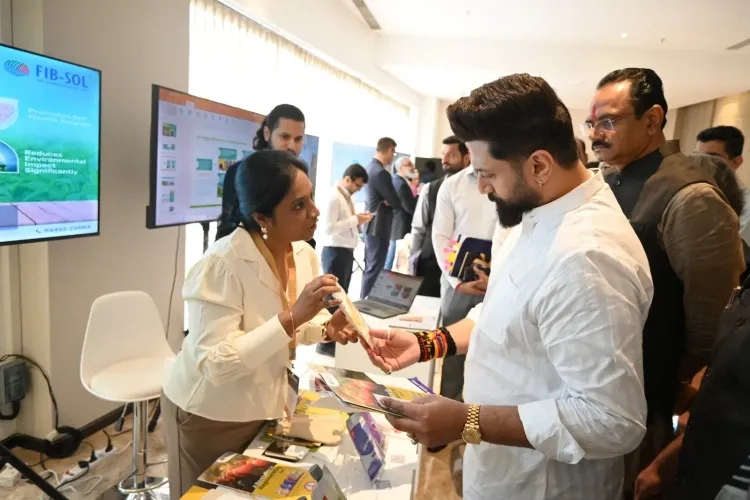
Union Food Processing Minister Chirag Paswan on Tuesday, June 9, 2026 visited the SAPLING 2026 Innovation Fair, where he personally reviewed innovations from young and women-led startups across South Asia, including India, focused on reducing food loss through artificial intelligence and advanced processing technologies.
Posting on X, the minister wrote in Hindi: 'आज SAPLING 2026 के इनोवेशन फेयर में प्रदर्शित नवाचारों को करीब से देखने का अवसर मिला' ('Today I got the opportunity to closely observe the innovations displayed at the SAPLING 2026 Innovation Fair'). He expressed satisfaction that numerous young and women-led startups from India and across South Asia were deploying AI and advanced processing techniques to tackle food loss.
Context
The minister's visit highlights the growing convergence of technology entrepreneurship and food security policy in the region. The SAPLING 2026 Innovation Fair brought together startups from South Asia to showcase solutions aimed at a persistent challenge: post-harvest food loss, which policy documents estimate at 15 to 30 percent for key commodities in India. The presence of women-led ventures at the fair underscores a deliberate push to widen the entrepreneurial base in agri-food processing.
Paswan's engagement with South Asian startups also reflects India's broader effort to position its food processing ecosystem as a hub for regional economic cooperation, connecting neighbourhood economies through shared technology platforms.
Policy Backdrop
The Ministry of Food Processing Industries has been the nodal agency driving modernisation of India's food value chain. The Pradhan Mantri Formalisation of Micro Food Processing Enterprises (PM FME) scheme, launched in 2020, extended credit, training and marketing support to micro food units, while the Startup India initiative, announced in 2016, built an ecosystem for technology-driven ventures including those in agri-food processing.
AI applications in food processing — spanning quality sorting, demand forecasting and cold-chain optimisation — have increasingly featured in ministry action plans as tools to close the gap between farm output and consumer markets. The SAPLING 2026 fair represents a regional-scale demonstration of how that policy direction is translating into startup activity.
Stakeholders and Impact
Women entrepreneurs and youth-led startups stand to benefit most directly from ministerial attention at forums such as SAPLING 2026, as visibility can translate into procurement partnerships, regulatory fast-tracking and access to government-backed funding windows. Farmers, too, are downstream stakeholders: every percentage point reduction in post-harvest loss directly improves effective farm income without requiring additional cultivation.
For South Asian neighbours, India's willingness to engage their startups in a shared innovation forum signals a soft-power dimension to food processing diplomacy, potentially opening corridors for technology transfer and joint ventures.
What's Next
Industry observers will watch whether the minister's SAPLING 2026 visit translates into concrete policy announcements — such as dedicated funding windows for AI-driven food processing startups or regulatory guidelines for deploying these technologies at scale. The next Union Budget and the ministry's annual action plan are the most likely vehicles for any follow-through. Regional cooperation frameworks under India's neighbourhood policy could also formalise linkages with South Asian startups spotlighted at the fair.
Point of View
The minister aligns the visit with the government's twin narratives of inclusive entrepreneurship and technology-led agricultural transformation. The South Asian dimension is notable: positioning India as a convener of regional food-tech innovation subtly advances neighbourhood diplomacy at a time when economic interdependence with South Asian neighbours is a stated foreign policy goal. Whether this translates into measurable policy output — funding, regulation, or procurement — will be the real test of the engagement's significance.
NationPress
24 Oct 2026
Frequently Asked Questions
What is SAPLING 2026 Innovation Fair?
SAPLING 2026 is an innovation fair that brought together young and women-led startups from India and across South Asia to showcase technologies — including AI and advanced processing solutions — aimed at reducing food loss in the region.
Why did Chirag Paswan attend the SAPLING 2026 fair?
As Union Minister of Food Processing Industries, Chirag Paswan attended to review innovations addressing food loss, a challenge estimated at 15-30 percent of key commodities, and to signal ministerial support for technology-driven startups in the sector.
What is India's food loss problem?
India loses an estimated 15 to 30 percent of key agricultural commodities to post-harvest losses due to inadequate processing, cold-chain gaps and logistical inefficiencies — a problem the Ministry of Food Processing Industries has made a central policy focus.
How does the government support food processing startups in India?
The government supports food processing startups through the PM FME scheme launched in 2020, which provides credit, training and marketing support to micro food units, and through the Startup India initiative announced in 2016 that backs agri-food technology ventures.
What role does AI play in reducing food loss in India?
AI is being deployed in food processing for quality sorting, demand forecasting and cold-chain optimisation, helping reduce post-harvest losses and improve the efficiency of the food value chain from farm to consumer.