Chirag Paswan Links Food Processing Growth to Farmer Incomes
Synopsis
Union Food Processing Minister Chirag Paswan on June 9, 2026 linked rising processing levels to higher farmer incomes, reduced perishable wastage and growth in women-led enterprises and MSMEs, reinforcing the ministry's rural economy agenda backed by the PMKSY and PMFME schemes.
Key Takeaways
Minister Chirag Paswan stated that growth in food processing directly drives farmer incomes, women-led enterprise, MSMEs and resilient food systems.
He argued that higher processing levels allow perishables to travel farther, reduce wastage and retain more value in rural economies.
The PMFME scheme , approved in 2020 with a Rs 10,000 crore outlay, specifically targets micro-units and women entrepreneurs.
The PMKSY , launched in 2017 , underpins cold-chain and food-park infrastructure to cut estimated post-harvest losses of 30–40 per cent in fruits and vegetables.
Food processing was designated a priority sector under the Atmanirbhar Bharat package of 2020 for reducing losses and raising exports.
Fresh policy announcements or scheme outlays are expected to be flagged in the next Union Budget or parliamentary session.
Union Food Processing Minister Chirag Paswan on Tuesday, June 9, 2026 underscored the multiplier effect of rising food processing levels, arguing that greater processing capacity directly translates into higher farmer incomes, expanded rural enterprise and stronger food systems across India.
Context
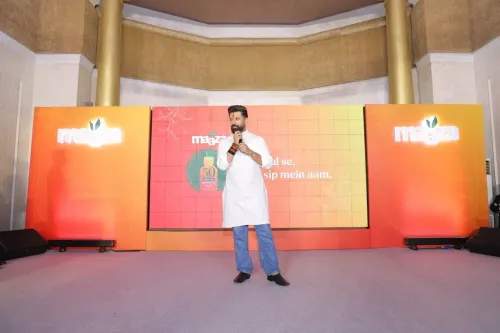
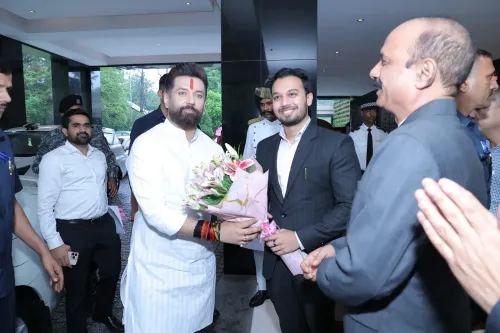
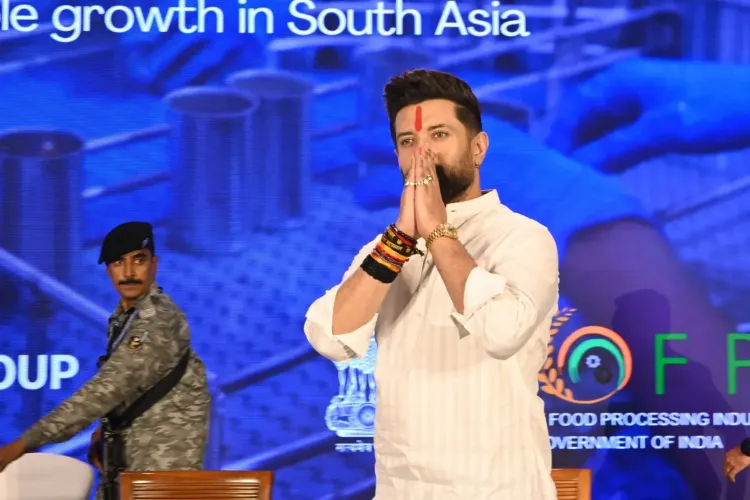
In a post on X, Minister Paswan laid out a chain of economic logic: as processing levels rise, farmers gain access to larger markets, perishable produce can travel farther, post-harvest wastage declines and more value is retained within rural economies. He stated, 'Growth in food processing is growth in farmer incomes, women-led enterprise, MSMEs and resilient food systems.' The post was accompanied by two images and framed as a response to a broader conversation on the sector's developmental role.
The minister's remarks reflect a policy position that his ministry has consistently advanced since he assumed charge in 2024: that food processing is not merely an industrial activity but a structural lever for rural economic transformation.
Policy Backdrop
India's food processing policy architecture rests on two flagship centrally sponsored schemes. The Pradhan Mantri Kisan Sampada Yojana (PMKSY), launched in 2017, was designed to build modern supply-chain infrastructure — including mega food parks, cold chains and agro-processing clusters — to reduce post-harvest losses and connect farmers to organised markets.
The Pradhan Mantri Formalisation of Micro Food Processing Enterprises (PMFME) scheme, approved in 2020 with an outlay of Rs 10,000 crore, specifically targets micro-units, women entrepreneurs and farmer producer organisations. Both schemes were reinforced under the Atmanirbhar Bharat package of 2020, which identified food processing as a priority sector for cutting post-harvest losses and raising exports.
India has long grappled with estimated post-harvest losses of 30–40 per cent in fruits and vegetables, a figure that successive administrations have sought to reduce through cold-chain expansion and value-addition investment in rural areas.
Stakeholders and Impact
The constituencies Minister Paswan named — small farmers, women-led enterprises and food-processing MSMEs — sit at the intersection of rural livelihood policy and industrial formalisation. Women entrepreneurs have been a specific focus of the PMFME scheme, which provides credit-linked subsidies and capacity-building support to self-help groups and individual micro-units.
For farmers, the argument is straightforward: processed goods command higher prices and open export corridors that raw perishables cannot access due to shelf-life constraints. For rural MSMEs, a growing processing sector means demand for packaging, logistics and ancillary services, generating non-farm employment in hinterland districts.
The minister's framing of 'resilient food systems' also touches on food security concerns — a processed and diversified supply chain is less vulnerable to seasonal shocks and regional crop failures than one dependent on fresh produce alone.
What's Next
Analysts and sector stakeholders will watch the Ministry of Food Processing Industries' annual performance reports for data on national processing levels and value-addition metrics. Fresh scheme outlays or regulatory changes, if any, are expected to be signalled in the next Union Budget or the forthcoming parliamentary session.
The minister's public articulation of this policy rationale suggests the ministry intends to keep food processing at the centre of the government's rural economy and farmer-income agenda — and may be laying the groundwork for further announcements on infrastructure investment or scheme expansion.
Point of View
He is signalling that the ministry's constituency is broad and cuts across the NDA's core support base. The emphasis on 'resilient food systems' also gestures toward food security language increasingly common in post-pandemic policy discourse. Taken together, the messaging positions the ministry for a larger ask in the next budget cycle.
NationPress
24 Oct 2026
Frequently Asked Questions
What did Chirag Paswan say about food processing and farmers?
Minister Chirag Paswan said that as processing levels rise, farmers access larger markets, perishables travel farther, wastage declines and more value stays in rural economies, directly linking food processing growth to farmer income growth.
What is the PMFME scheme and how does it help women entrepreneurs?
The Pradhan Mantri Formalisation of Micro Food Processing Enterprises (PMFME) scheme, launched in 2020 with a Rs 10,000 crore outlay, provides credit-linked subsidies and support to micro food-processing units, self-help groups and women entrepreneurs to formalise and scale their businesses.
What is PMKSY and what does it do for food processing in India?
Pradhan Mantri Kisan Sampada Yojana (PMKSY), launched in 2017, funds modern food processing infrastructure including mega food parks, cold chains and agro-processing clusters to reduce post-harvest losses and connect farmers to organised markets.
How much post-harvest loss does India face in fruits and vegetables?
India faces estimated post-harvest losses of 30–40 per cent in fruits and vegetables, a longstanding challenge that food processing infrastructure and cold-chain investment aim to reduce.
Why is food processing important for rural MSMEs in India?
A growing food processing sector creates demand for packaging, logistics and ancillary services, generating non-farm employment in rural districts and providing MSMEs with stable market linkages beyond seasonal agricultural cycles.