Iran accuses US of violating June MoU after sanctions reversal
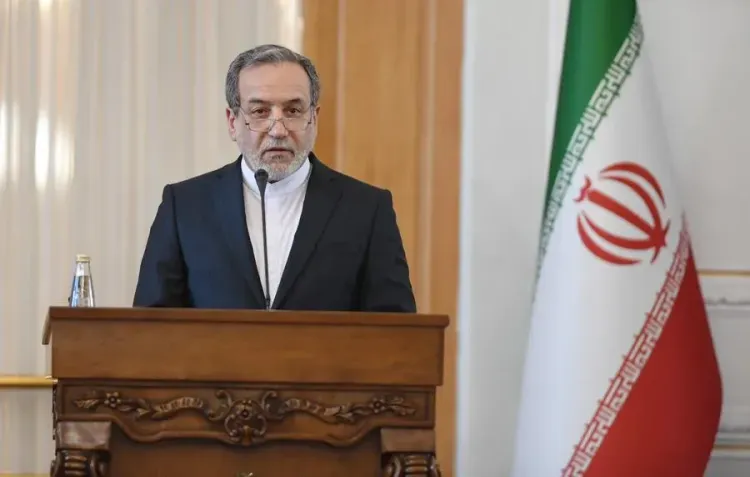
Synopsis
Less than 20 days after signing the Islamabad MoU, the US reinstated sanctions on Iranian oil — and Iran fired back with a formal condemnation and a warning of retaliation. Then US forces launched strikes on Iran following attacks on three commercial ships in the Strait of Hormuz. A fragile diplomatic opening has collapsed into open military confrontation in one of the world's most critical waterways.
Key Takeaways
Iran's Ministry of Foreign Affairs on 8 July condemned the US reversal of sanctions on Iranian oil sales as a 'gross violation' of Article 10 of the Islamabad MoU .
The sanctions reversal came fewer than 20 days after the Islamabad Memorandum of Understanding was signed on 18 June .
Tehran warned it will take 'any action it deems necessary' to protect its national interests and security.
US Central Command launched strikes against Iran following attacks on three commercial vessels in the Strait of Hormuz .
Explosions were reported near Qeshm Island , Bandar Abbas , and Sirik , according to Iranian state media.
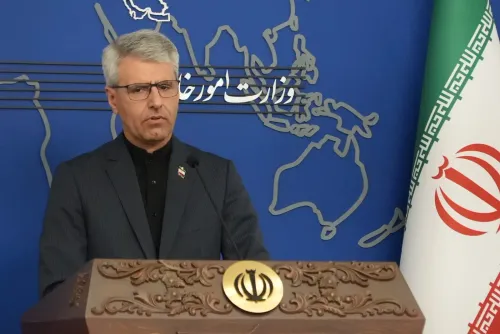
Iran's Ministry of Foreign Affairs on Wednesday, 8 July issued a sharp condemnation of the United States' decision to revoke the temporary suspension of sanctions on Iranian oil sales, calling it a 'gross violation' of Article 10 of the Islamabad Memorandum of Understanding (MoU) signed on 18 June — and holding Washington directly responsible for the consequences. The reversal came less than 20 days after the agreement was signed, dramatically escalating an already fragile diplomatic situation.
What Iran Said
In an official statement, Iran's Ministry of Foreign Affairs said the US Treasury's move to lift the temporary suspension of the embargo on Iranian oil sales was 'a gross violation of Article 10 of the Memorandum of Understanding to End the War,' and that Tehran holds 'the US government responsible for the consequences of this breach of promise.'
The Ministry described the reversal as evidence of Washington's 'malicious intentions, instability, and unreliability.' It further alleged that the United States had repeatedly violated various provisions of the memorandum — either directly or, as the statement put it, 'through the actions of the Zionist regime against Lebanon.'
Iran's Compliance Claims
According to the Ministry, Iran had acted in good faith since the 18 June signing, deploying 'all its capabilities' to fulfil its obligations under the agreement. 'The Islamic Republic of Iran has tried in good faith and using all its capabilities to fulfil its obligations… However, the US government, as usual, has simultaneously violated its obligations and sought to justify them with various excuses,' the statement said.
The Ministry warned that Tehran reserves the right to take 'any action it deems necessary to protect its interests and national security' in response to what it characterised as America's breach of the accord.
US Strikes Follow Hormuz Attacks
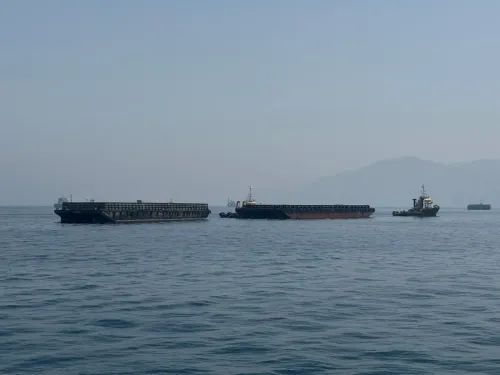
The diplomatic rupture was accompanied by military action. US forces launched strikes against Iran after three commercial ships transiting the Strait of Hormuz were attacked, according to US Central Command, which said in a post on X that it had 'begun launching a series of powerful strikes against Iran to impose heavy costs for targeting and attacking commercial shipping crewed by innocent civilians in an international waterway.'
The command confirmed the strikes were 'in response to Iranian attacks on three commercial vessels that were transiting the Strait of Hormuz.' Explosions were subsequently reported near Qeshm Island and the port cities of Bandar Abbas and Sirik, according to Iranian state outlet Press TV.
Context and What Comes Next
The Islamabad MoU, signed on 18 June, had been seen as a rare diplomatic opening between Tehran and Washington. Its rapid unravelling — with sanctions reinstated within three weeks and military strikes following — marks one of the sharpest single-week deteriorations in US-Iran relations in recent memory. This comes amid long-standing tensions over Iranian oil exports, nuclear negotiations, and regional proxy conflicts.
With Tehran explicitly reserving the right to retaliate and US Central Command already conducting strikes, the situation in and around the Strait of Hormuz — through which a significant share of global oil supply transits — remains acutely volatile. International observers and energy markets will be watching closely for further escalation.
Point of View
The Strait of Hormuz is now both a diplomatic flashpoint and an active military theatre, and any sustained disruption there carries direct consequences for global energy supply chains, including India's. New Delhi, which imports a significant share of its oil through Gulf routes, has a material stake in how quickly — or whether — this escalation is contained.
NationPress
6 Oct 2026
Frequently Asked Questions
What is the Islamabad MoU that Iran says the US has violated?
The Islamabad Memorandum of Understanding is an agreement signed on 18 June between Iran and the United States, reportedly aimed at ending hostilities and providing temporary sanctions relief on Iranian oil sales. Iran says the US violated Article 10 of this agreement by reinstating the oil embargo within 20 days of signing.
Why did the US reinstate sanctions on Iranian oil?
The source does not specify the US government's stated rationale for reinstating sanctions. Iran's Ministry of Foreign Affairs alleged that Washington offered 'various excuses' to justify the reversal, but no official US explanation is detailed in available statements.
What are the US strikes on Iran about?
US Central Command said it launched strikes against Iran in response to Iranian attacks on three commercial vessels transiting the Strait of Hormuz. The command described the strikes as intended to 'impose heavy costs for targeting and attacking commercial shipping crewed by innocent civilians in an international waterway.'
Where did the explosions occur in Iran?
Explosions were reported near Qeshm Island and the port cities of Bandar Abbas and Sirik, according to Iranian state outlet Press TV, following the US military strikes.
What has Iran threatened in response?
Iran's Ministry of Foreign Affairs warned it reserves the right to take 'any action it deems necessary to protect its interests and national security,' stopping short of specifying what retaliatory measures Tehran may pursue.