Pezeshkian: Iran in 'position of strength', better to end war now
Synopsis
Iranian President Pezeshkian’s call to end the war ‘from a position of strength’ lands just as the 60-day Iran-US negotiation window quietly expires with no final deal. His message is double-edged: peace is preferable, but Iran will fight to its last breath if provoked again — a carefully constructed domestic narrative as much as a diplomatic signal.
Key Takeaways
Iranian President Masoud Pezeshkian declared on 21 August that ending the war now is better as Iran stands in a position of ‘power and dignity.’ He described the Iran-US peace MoU signed on 18 June as ‘honourable and valuable,’ saying no provision implies Iranian surrender.
The 60-day negotiation window under the MoU lapsed on Monday with no final agreement reached.
The MoU was approved unanimously by Iran’s Supreme National Security Council , according to Pezeshkian.
Pezeshkian warned Iran will ‘under no circumstance bow to bullying’ and its armed forces remain in full readiness if attacked again.
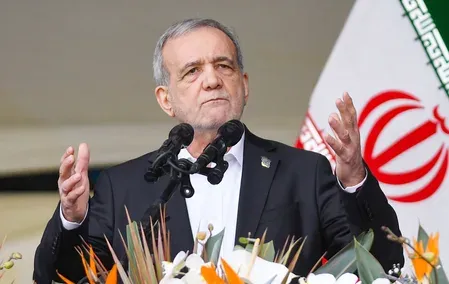
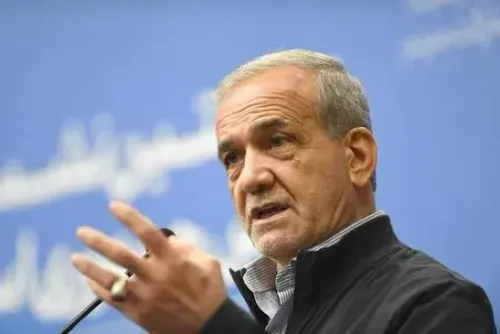
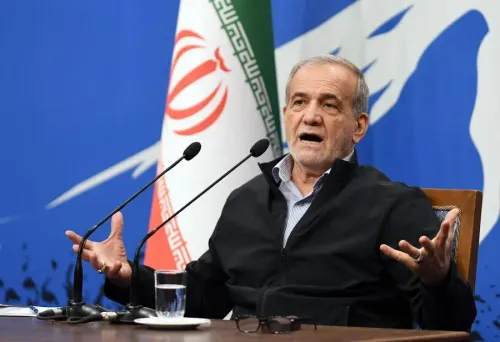
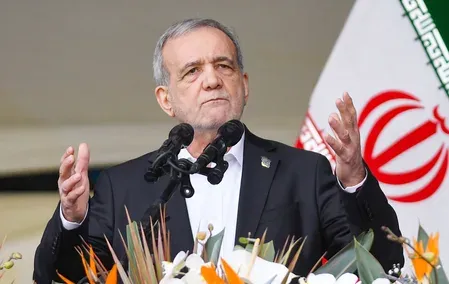
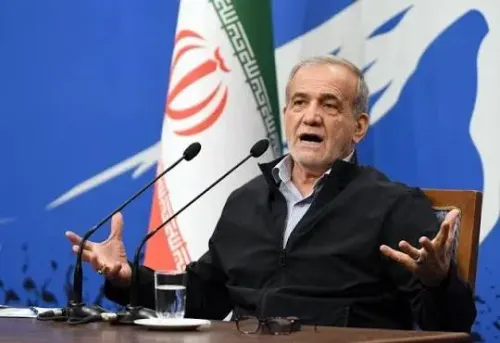
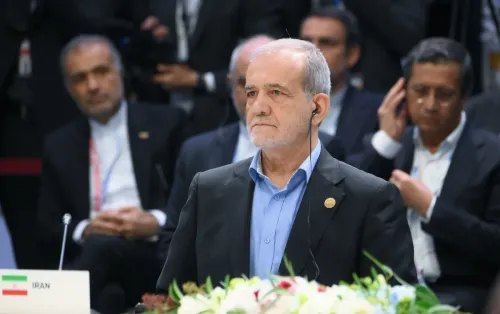
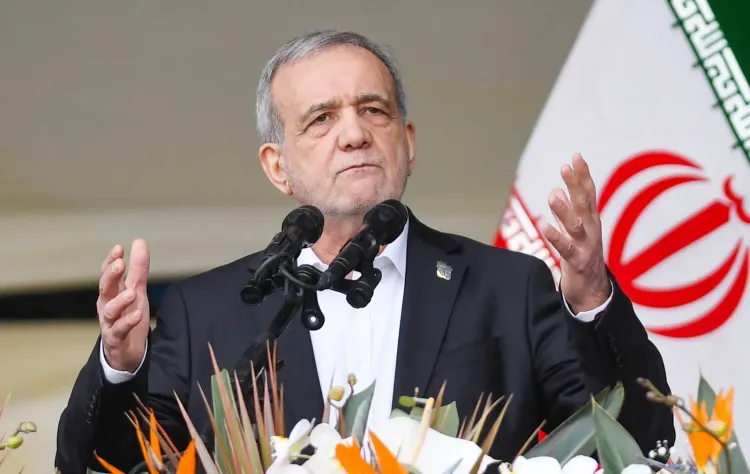
Iranian President Masoud Pezeshkian on Friday, 21 August declared that it is better to end the ongoing conflict now, asserting that Iran stands in a position of “power and dignity” and that the world acknowledges its victory. The remarks came at the 31st General Assembly of the Islamic Association of the Iranian Medical Society in Tehran, and were published on his office’s official website.
Pezeshkian’s Key Remarks
“It is better that we end the war today when we are in a position of power and dignity, and the entire world acknowledges our victory and emphasises that the United States, in violation of all (international) regulations, has attacked our schools, hospitals, and infrastructure, and is hated in the world,” Pezeshkian said.
The president described the peace memorandum of understanding (MoU) signed between Iran and the United States in June as “honourable and valuable,” stressing that not a single provision of the agreement implies surrender and that all obligations rest with the other party.
The Iran-US Peace MoU: What Was Agreed
On 18 June, Iran and the United States signed the MoU to end their conflict across all fronts in the region. Under its terms, the two sides were to hold formal negotiations within 60 days — a window that closed on Monday — with the goal of reaching a final agreement. However, the ultimate fate of those talks remains unclear following an escalation between the two countries last month.
Pezeshkian noted that what was achieved during the US negotiations represented a “great achievement,” one that was approved with “unity and solidarity” in Iran’s Supreme National Security Council, with all council members reportedly defending it decisively.
Iran Will Not Surrender If Attacked Again
Despite his call to end the war, Pezeshkian was unequivocal about Iran’s posture if hostilities resume. “We will under no circumstance bow to bullying, and there is no doubt about it,” he said, adding: “We will stand against them until our last breath and will give them a crushing response.”
He further stated that Iran’s military commanders and armed forces are “wholeheartedly and selflessly” in full readiness to defend the country — a signal that the diplomatic opening is not being read in Tehran as a sign of weakness.
What Comes Next
With the 60-day negotiation window now elapsed and no final agreement in place, the trajectory of Iran-US relations enters a critical and uncertain phase. Analysts will be watching whether both sides re-engage formally or whether last month’s escalation hardens into a prolonged stalemate. Pezeshkian’s speech, notably delivered to a domestic professional audience rather than a diplomatic forum, appears calibrated to reassure Iranians that the MoU was a strategic gain, not a concession.
Point of View
Not compelled by weakness — is a domestic political necessity as much as a foreign policy statement. The MoU’s 60-day window has now lapsed without a final deal, which raises a pointed question mainstream coverage is glossing over: what exactly was agreed to in June, and who enforces it if talks stall? The simultaneous assertion that Iran will fight ‘until the last breath’ if attacked again is not contradictory in Iranian political discourse — it is the standard two-track posture. The real signal to watch is whether the Supreme National Security Council’s reported unanimity holds as domestic hardliners assess what the MoU actually delivered.
NationPress
5 Oct 2026
Frequently Asked Questions
What did Iranian President Pezeshkian say about ending the war with the US?
Pezeshkian said on 21 August that it is better to end the war now while Iran is in a ‘position of power and dignity,’ with the world acknowledging its victory. He made the remarks at a medical society assembly in Tehran, stressing the conflict must end at some point.
What is the Iran-US peace MoU signed in June?
The memorandum of understanding, signed on 18 June, committed Iran and the United States to ending their conflict on all fronts and holding formal negotiations within 60 days to reach a final agreement. Pezeshkian described it as ‘honourable and valuable’ and said it contains no provision requiring Iranian surrender.
Has a final Iran-US agreement been reached?
No. The 60-day negotiation window under the MoU lapsed on Monday without a final deal being announced. The fate of the talks remains unclear following an escalation between the two countries last month.
Did Iran’s Supreme National Security Council support the MoU?
Yes, according to Pezeshkian. He said the agreement was approved with ‘unity and solidarity’ in the Supreme National Security Council, with all members reportedly defending it decisively.
What is Iran’s position if hostilities resume?
Pezeshkian was unambiguous: Iran will ‘under no circumstance bow to bullying’ and will respond with force if attacked again. He stated that Iran’s military commanders and armed forces are in full readiness to defend the country.