Iran agrees to forgo nuclear weapons, Trump says ahead of Doha talks
Synopsis
Trump declared from the Oval Office that Iran has agreed not to acquire a nuclear weapon — a striking claim made without documentation or elaboration, just hours before US officials flew to Doha for fresh talks. Whether this represents a formal commitment or diplomatic optimism will define the next phase of one of the world's most consequential security standoffs.
Key Takeaways
President Donald Trump said on 30 June that Iran has agreed not to acquire a nuclear weapon.
Fresh US-Iran negotiations are scheduled in Doha, Qatar on 1 July , with US officials already en route.
Trump claimed the US is 'winning militarily,' referencing recent military action against Iran's nuclear programme.
Global oil prices fell to $69 per barrel, which Trump linked to pressure on Tehran.
Trump did not provide details of any formal agreement or specify what Iran has committed to in writing.
EPA Administrator Lee Zeldin separately announced a presidential memorandum supporting consumers' right to repair their own vehicles.
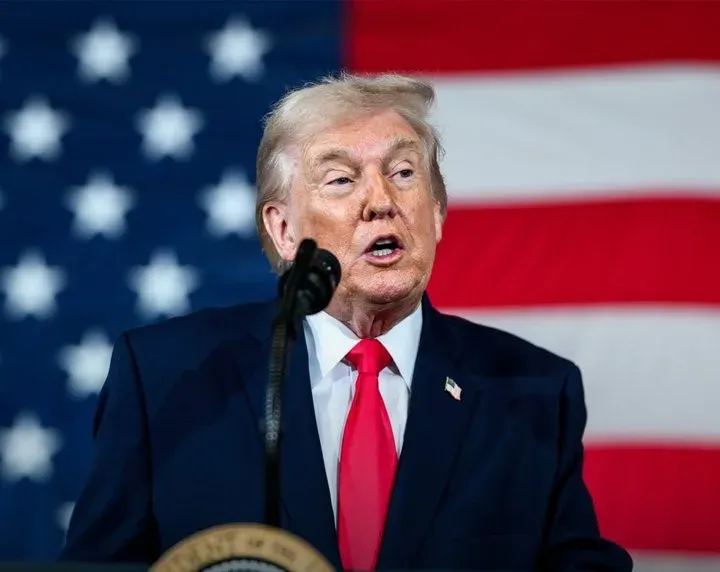
US President Donald Trump said on 30 June that Iran has agreed not to acquire a nuclear weapon, making the claim from the Oval Office ahead of fresh diplomatic negotiations scheduled in Doha on Tuesday. Trump expressed confidence that Washington was making progress both diplomatically and militarily, while reiterating that Tehran would not be permitted to develop nuclear arms.
What Trump Said
'It's really very simple; it's the denuclearization of Iran. We don't want them to have a nuclear weapon, and they're not going to have a nuclear weapon, and they've agreed to that, in all fairness,' Trump said. He did not elaborate on the nature of Iran's reported agreement or provide details of any formal understanding reached between the two sides.
On the military front, Trump struck a notably assertive tone. 'We're winning militarily. It's almost won militarily, I would say,' he said, referencing recent US military action against Iran's nuclear programme. The remarks suggest Washington believes it has gained significant leverage heading into the Doha round of talks.
Doha Talks: What We Know
US officials were already travelling to Qatar for the discussions at the time of Trump's comments. The President was measured about expectations: 'There'll be a meeting on that tomorrow, in Doha... we'll see how that goes. The meeting in Doha is going to be perhaps important, perhaps not. We're going to find out.' He did not specify which issues would be on the agenda beyond the broad objective of Iran's denuclearisation.
This comes amid a broader pattern of on-again, off-again diplomatic engagement between Washington and Tehran over Iran's nuclear ambitions — a process that has involved multiple rounds of indirect and direct negotiations over the past several years without a binding agreement.
Oil Prices and the Iran Factor
Trump also linked lower global oil prices to developments surrounding Iran, saying: 'Oil prices are way down. We hit $69 today. It was higher than that prior to the denuclearization of Iran.' The remark implies that US pressure on Tehran has contributed to easing energy market anxiety, though the causal link was not elaborated upon.
Domestic Backdrop to the Announcement
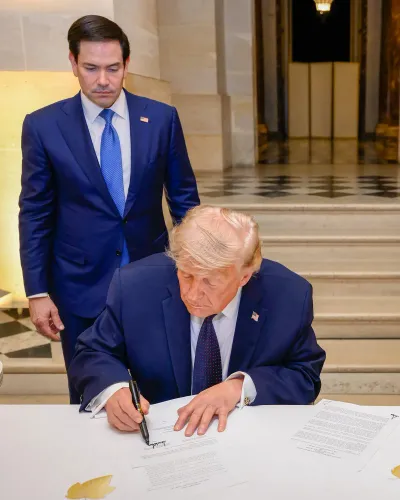
The foreign policy remarks came as Trump signed a presidential memorandum directing the Environmental Protection Agency (EPA) to support consumers' right to repair their own vehicles and to expand competition in the aftermarket automobile parts market. EPA Administrator Lee Zeldin said the memorandum would uphold 'the freedom to fix', prevent regulatory action against Americans repairing their own vehicles, and end what he described as California's monopoly over third-party certification of aftermarket parts.
The White House session quickly pivoted to national security after reporters pressed Trump on Iran, before shifting further to domestic topics including election laws, Supreme Court rulings, and immigration.
What Happens Next
The Doha meeting is the immediate focal point, with its outcome likely to shape the trajectory of US-Iran nuclear diplomacy in the near term. Analysts will be watching closely for whether Iran's reported agreement — as characterised by Trump — translates into a verifiable, structured commitment, or remains an informal understanding ahead of formal negotiations.
Point of View
A signed document, or even a named Iranian counterpart confirming the commitment. That gap between presidential assertion and verifiable diplomatic record is precisely where past US-Iran frameworks have collapsed. The Doha talks may clarify whether this is a genuine breakthrough or a negotiating posture dressed as an outcome. Notably, Trump's simultaneous invocation of military superiority and diplomatic progress suggests Washington is pursuing a pressure-plus-talks strategy — the same dual-track that has historically produced both deals and crises with Tehran.
NationPress
29 Sept 2026
Frequently Asked Questions
What did Trump say about Iran and nuclear weapons?
President Donald Trump said on 30 June that Iran has agreed not to acquire a nuclear weapon, calling the US objective 'the denuclearization of Iran.' He did not provide details of any formal agreement or documentation supporting the claim.
What are the Doha talks about?
US officials travelled to Doha, Qatar for negotiations with Iranian counterparts scheduled on 1 July. Trump described the meeting as potentially important but did not specify which issues beyond Iran's nuclear programme would be on the agenda.
Has Iran officially confirmed it agreed to give up nuclear weapons?
Trump stated that Iran has agreed to forgo nuclear arms, but no formal Iranian confirmation or signed agreement was referenced in his remarks. The nature and scope of any understanding between the two sides remains unspecified.
What did Trump say about oil prices and Iran?
Trump noted that global oil prices had fallen to $69 per barrel and linked the decline to developments surrounding Iran's nuclear programme, suggesting that US pressure on Tehran has eased energy market concerns.
What else did Trump announce during the same Oval Office appearance?
Trump signed a presidential memorandum directing the EPA to support Americans' right to repair their own vehicles and to expand competition in the aftermarket auto parts market. EPA Administrator Lee Zeldin said the order would end what he called California's monopoly over third-party parts certification.