White House VP Touts Trump Economic Wins on Will Cain Show
Synopsis
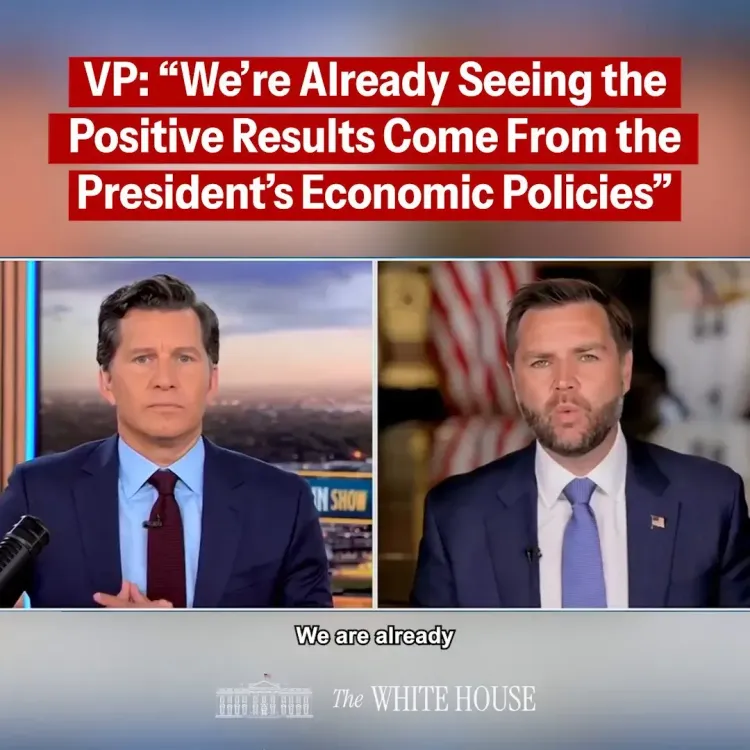
The US Vice President appeared on the Will Cain Show to tout President Trump's economic agenda — citing industrial reshoring, heartland revival, safer streets, and housing affordability as proof of results. The White House amplified the remarks on 14 August 2026.
Key Takeaways
The White House posted a clip of the Vice President on the Will Cain Show on 14 August 2026 , promoting Trump's economic record.
The VP cited four pillars: rebuilding the industrial base, reviving heartland communities, safer streets, and housing affordability for young buyers.
The Tax Cuts and Jobs Act of 2017 cut the corporate tax rate from 35% to 21% to incentivise domestic capital investment.
The USMCA (2020) replaced NAFTA with stricter rules of origin to protect US manufacturing and auto-sector jobs.
The next Bureau of Labor Statistics manufacturing employment report will be a key data checkpoint for these claims.
Housing affordability remains the most contested pillar, given Federal Reserve control over interest-rate policy.
From rebuilding shuttered factory towns to putting homeownership back within reach of young Americans, the Vice President of the United States stepped onto the Will Cain Show to make the case that President Donald Trump's economic agenda is delivering — and the White House wants the world to know it.
The four pillars the VP put on the table
The White House post, published on 14 August 2026, quoted the Vice President laying out four concrete claims: rebuilding America's industrial base, reviving heartland communities, making streets safer, and restoring housing affordability for young buyers. The framing was deliberate — each point targeting a voter group that felt left behind by the pre-Trump economic order.
The appearance on the Will Cain Show — a conservative-leaning radio and television program — gave the administration a sympathetic platform to translate macro policy into kitchen-table language.
The policy engine behind the claims
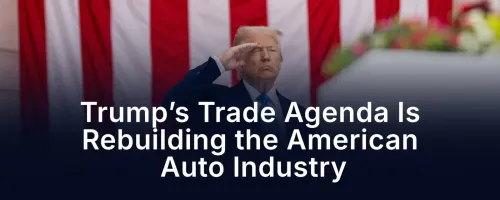
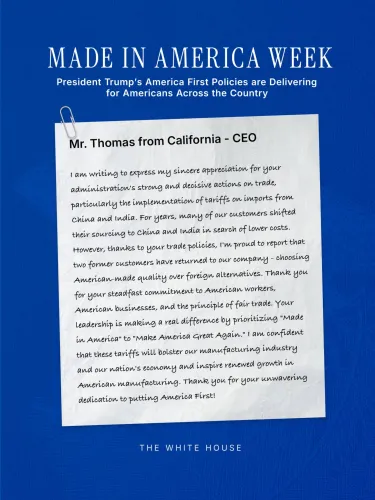
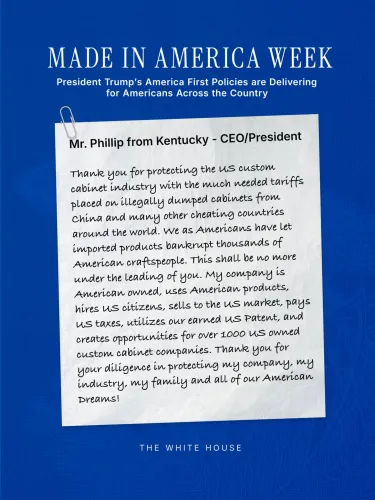
The industrial revival argument traces directly to two signature moves from Trump's first term. The Tax Cuts and Jobs Act of 2017 slashed the corporate rate from 35% to 21%, explicitly designed to pull capital back into domestic manufacturing rather than offshore facilities. The United States-Mexico-Canada Agreement (USMCA), which replaced NAFTA in 2020, tightened rules of origin — particularly in the auto sector — to ensure that 'Made in America' labels carried real weight.
Together, those two levers form the backbone of what the White House calls reshoring: the deliberate reversal of decades of factory migration to cheaper labour markets.
Housing and the heartland: the harder sell
The housing affordability pledge is the trickiest of the four. Young homebuyers are squeezed between elevated construction costs and interest-rate paths set by the Federal Reserve — a body the White House does not control. The administration's bet is that deregulation and energy production keep input costs low enough to matter at the mortgage level.
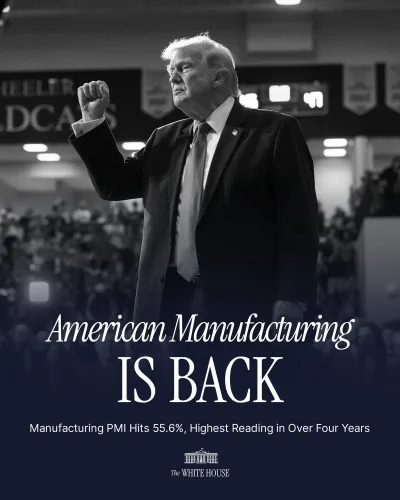
The 'heartland' framing is equally loaded. Manufacturing employment data from the Bureau of Labor Statistics will be the clearest scorecard — and the next jobs report will be watched closely by supporters and critics alike.
If the numbers follow the rhetoric, the VP's media blitz is a preview of the administration's re-election economic argument. If they don't, the gap between the claim and the data becomes the story.
Point of View
Heartland, safety, housing) maps almost surgically onto the constituencies that swung for Trump in 2016 and 2024, suggesting the administration is already in campaign-communication mode. The harder question is whether the macro data — particularly manufacturing payrolls and mortgage rates — will validate the narrative before the next electoral cycle. Policy claims made on friendly airwaves invite scrutiny the moment official statistics land.
NationPress
29 Sept 2026
Frequently Asked Questions
What did the US Vice President say on the Will Cain Show about Trump's economy?
The Vice President highlighted four outcomes of President Trump's economic policies: rebuilding the industrial base, reviving heartland communities, improving street safety, and making homeownership more affordable for young Americans.
What is the Will Cain Show?
The Will Cain Show is a conservative-leaning radio and television program that features interviews and discussions on policy and current events.
How did the Tax Cuts and Jobs Act of 2017 affect US manufacturing?
The Tax Cuts and Jobs Act of 2017 reduced the US corporate tax rate from 35% to 21%, aiming to encourage capital investment in domestic factories and reduce the incentive to shift production overseas.
What is the USMCA and how does it protect American jobs?
The United States-Mexico-Canada Agreement (USMCA), which replaced NAFTA in 2020, introduced stricter rules of origin — especially in the auto sector — requiring a higher proportion of a product to be made in North America to qualify for tariff-free trade, thereby protecting US industrial jobs.
Why is housing affordability a challenge despite Trump's economic policies?
Housing affordability depends significantly on interest rates set by the Federal Reserve, which operates independently of the White House. Even with deregulation lowering some costs, mortgage rates remain a key factor outside direct administration control.