Iran offers Hormuz reopening in 2 days if US meets demands amid war fears
Synopsis
Iran has compressed its Hormuz reopening offer from seven days to two — and that is the headline. But behind the diplomatic signal lies a volatile mix: 11 tankers sunk or ablaze in nine days, 30 million Iranians in military training, Netanyahu pushing Trump to strike, and a US president publicly threatening action while privately entertaining a deal. The Strait of Hormuz — through which a fifth of global oil flows — has rarely been this close to the edge.
Key Takeaways
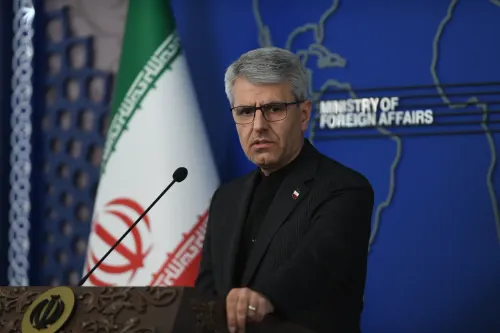
Iran's Foreign Ministry spokesman Esmaeil Baghaei said on 3 November 2026 that Tehran could reopen the Strait of Hormuz within two days if US demands are met — down from the original seven-day proposal floated in September .
Iran's Foreign Minister Seyed Abbas Araghchi said Qatar- and Pakistan-mediated consultations have become 'extremely intensive.' 11 oil tankers have caught fire or sunk in the strait over the past nine days , according to the IRGC navy.
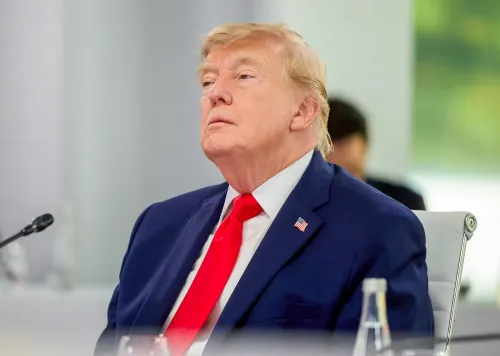
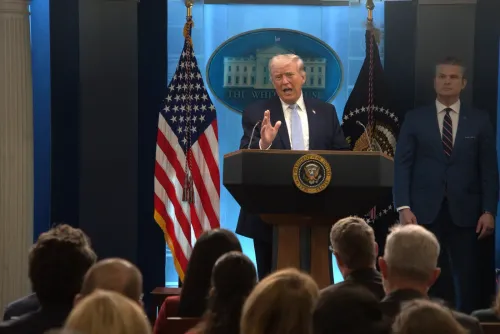
US President Donald Trump threatened renewed military action at an Iowa rally on Sunday while also saying a deal 'could happen' on Monday.
Israeli PM Benjamin Netanyahu reportedly urged Trump to strike Iran 'immediately after the midterm elections,' according to Axios.
A senior Iranian commander said over 30 million Iranians are currently undergoing general military training.
Iran signalled on Monday, 3 November 2026 that it could reopen the Strait of Hormuz and resume diplomatic negotiations within two days if the United States meets its stated demands — even as both sides continued to exchange sharp warnings over the risk of military escalation. The announcement marks a significant compression of Tehran's earlier seven-day framework, and comes amid a surge of tanker incidents in the strait and parallel back-channel diplomacy brokered by Qatar and Pakistan.
Tehran's Offer and the Diplomatic Signals
Iran's Foreign Ministry spokesman Esmaeil Baghaei said Monday that Tehran had, 'in good faith,' reduced the implementation window of its original September seven-day proposal to just two days. 'We have announced that if Iran's demands are met, the possibility will exist to restore security to the Strait of Hormuz and start the negotiation process in a short period of time,' Baghaei said, adding that the outcome rests entirely on Washington's decision on how to proceed.
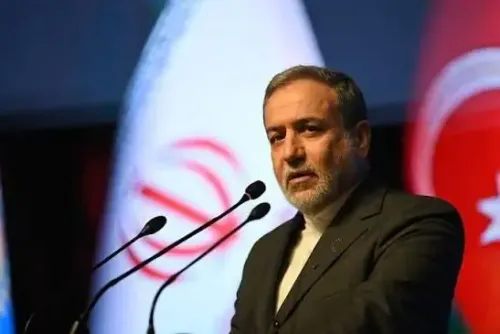
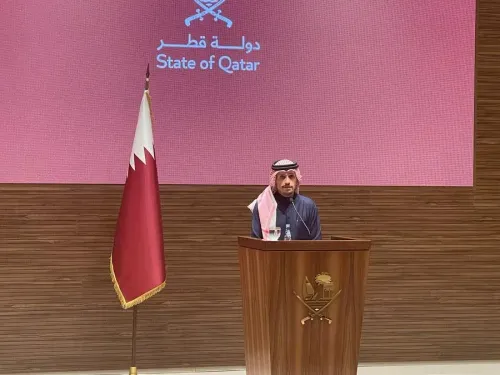
Iran's Foreign Minister Seyed Abbas Araghchi separately said Qatar- and Pakistan-mediated consultations had become 'extremely intensive,' involving frequent delegation visits, phone conversations, and message exchanges. Araghchi reaffirmed Iran's readiness for both diplomacy and defence, but warned that further military escalation by Washington would draw a 'far more bitter and severe' response from Tehran.
Iran's President Masoud Pezeshkian said his administration is committed to resolving challenges through dialogue, noting that Supreme Leader Mojtaba Khamenei has granted the government certain authorities to pursue diplomatic solutions. Pezeshkian stressed that no one benefits from war, while also asserting that Iran's 'enemies' would not be able to force a surrender.
Mixed Signals from Washington
Tehran reportedly received a letter from US Vice President JD Vance on Thursday, sent at the direction of President Donald Trump, calling for the resumption of peace negotiations. Iran described the shift in tone reflected in the letter as 'a good sign.'
However, Trump on Sunday again threatened to resume military action against Iran 'at some point,' telling a campaign rally in Iowa that Washington would eventually have to 'give them the hammer.' Also on Monday, Trump indicated some openness to a deal, saying, 'They want to make a deal, and that could happen.'
Meanwhile, Israeli Prime Minister Benjamin Netanyahu reportedly urged Trump in a Saturday phone call to strike Iran 'immediately after the midterm elections.' According to Axios, Trump reportedly preferred allowing negotiations to continue — a stance that has raised concerns in Tel Aviv.
Military Preparations Escalate on Both Sides
Alongside the diplomatic activity, both sides have accelerated military readiness. A senior Iranian commander said on Monday that over 30 million Iranians are receiving general military training to defend the country if required. Iran's Supreme Leader Khamenei on Saturday instructed senior military commanders to ensure that any threat, 'regardless of its nature or scale,' would be met with an 'immediate and effective' response — without geographical limitations.
On the US side, the Wall Street Journal reported that senior American military officials briefed Trump on Thursday on possible options regarding Iran. The United States had also reportedly urged several Gulf countries to prepare for a possible brief but intense military campaign against Iran following the midterm elections.
Tanker Incidents Surge in the Strait of Hormuz
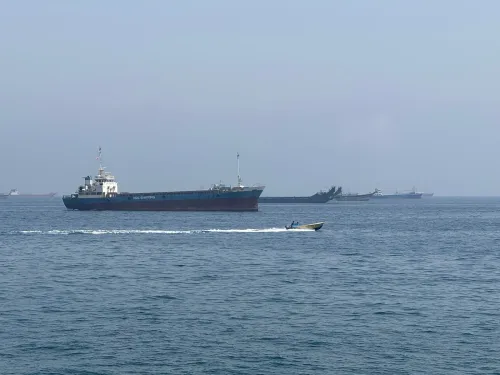
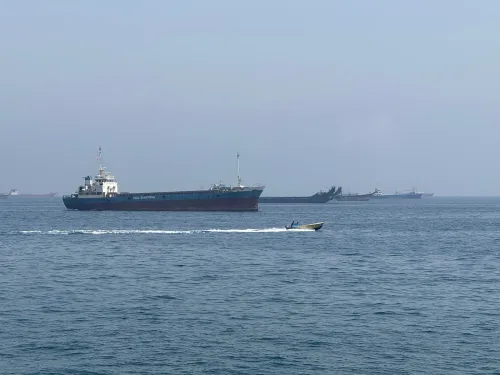
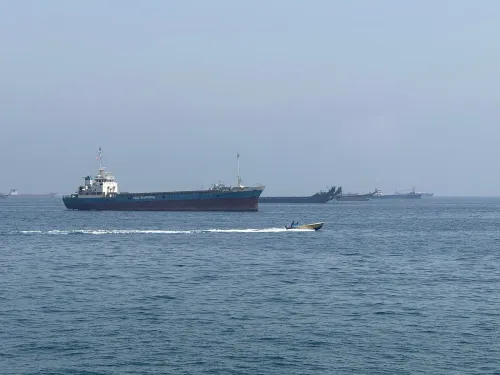
The military posturing has coincided with a sharp deterioration of conditions in the Strait of Hormuz, a critical global oil chokepoint through which an estimated 20% of world oil supplies transit. Iran's Army navy announced Monday that a 'violating' oil tanker caught fire after hitting naval mines in a restricted zone east of the strait, adding that the vessel had turned off its navigation systems.
The Islamic Revolution Guard Corps (IRGC) navy separately said 11 oil tankers have caught fire or sunk in the strait over the past nine days, following what it described as a 'demonstrative visit' to the strait by US Central Command chief Brad Cooper on 25 October. The incidents mark one of the most intense periods of maritime disruption in the region in recent memory.
What Happens Next
The next critical variable is Washington's formal response to Tehran's compressed two-day offer. Any agreement would need to address Iran's core demands — the specifics of which have not been publicly disclosed — while navigating internal divisions within the Trump administration between those favouring diplomacy and those aligned with Israeli pressure for swift military action. With the US midterm elections providing a political deadline, the coming 48 hours are being watched closely by global energy markets and regional governments alike.
Point of View
Not a concession — it narrows Washington's decision window while sustaining the threat of maritime disruption. The 11-tanker incident count in nine days signals that Iran is already imposing economic costs without a formal declaration of closure, a tactic that historically proves harder for Washington to respond to than an explicit blockade. Trump's simultaneous deal-talk and war-talk are not contradictory in his negotiating frame, but they hand Netanyahu an opening to push for action before any agreement crystallises. The real variable is whether Qatar and Pakistan's back-channel can produce a face-saving formula fast enough — and whether Tehran's domestic hardliners, emboldened by the Supreme Leader's 'no geographical limits' instruction, allow Pezeshkian's diplomatic track to hold.
NationPress
3 Nov 2026
Frequently Asked Questions
What is Iran's offer regarding the Strait of Hormuz?
Iran has offered to reopen the Strait of Hormuz and resume diplomatic talks within two days, provided the United States meets Tehran's stated demands. The offer, announced on 3 November 2026 by Foreign Ministry spokesman Esmaeil Baghaei, condenses an earlier seven-day plan proposed in September.
Why is the Strait of Hormuz so important?
The Strait of Hormuz is a narrow waterway between Iran and Oman through which an estimated 20% of the world's oil supplies transit daily. Any closure or sustained disruption would immediately impact global crude prices and energy security across Asia, Europe, and beyond.
What has been happening to oil tankers in the strait?
According to the IRGC navy, 11 oil tankers have caught fire or sunk in the Strait of Hormuz over the nine days preceding 3 November 2026. Iran's Army navy also reported that a separate tanker caught fire after hitting naval mines in a restricted zone east of the strait.
What is the US position on negotiations with Iran?
The US position is publicly contradictory. President Donald Trump threatened renewed military action at an Iowa rally on Sunday while also saying on Monday that a deal 'could happen.' Tehran reportedly received a letter from Vice President JD Vance calling for peace talks, which Iran described as 'a good sign.'
What role are Qatar and Pakistan playing in the Iran-US talks?
Qatar and Pakistan are serving as intermediaries in back-channel consultations between Iran and the United States. Iran's Foreign Minister Seyed Abbas Araghchi described these consultations as 'extremely intensive,' involving frequent delegation visits, phone calls, and message exchanges.