Strait of Hormuz can reopen in 2 days if US meets demands, Iran says
Synopsis
Iran has cut its offer timeline from seven days to two — if Washington ends its anti-Iran naval blockade and meets Tehran's stated conditions, the Strait of Hormuz could be reopened almost immediately. With the world's most critical energy chokepoint still shut, the next move belongs entirely to the United States.
Key Takeaways
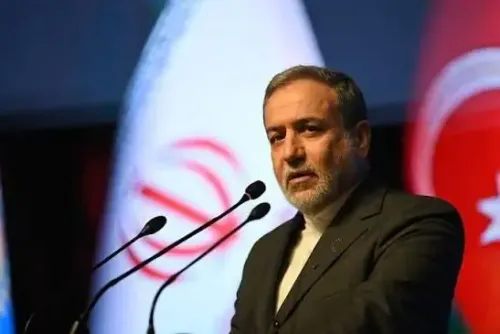
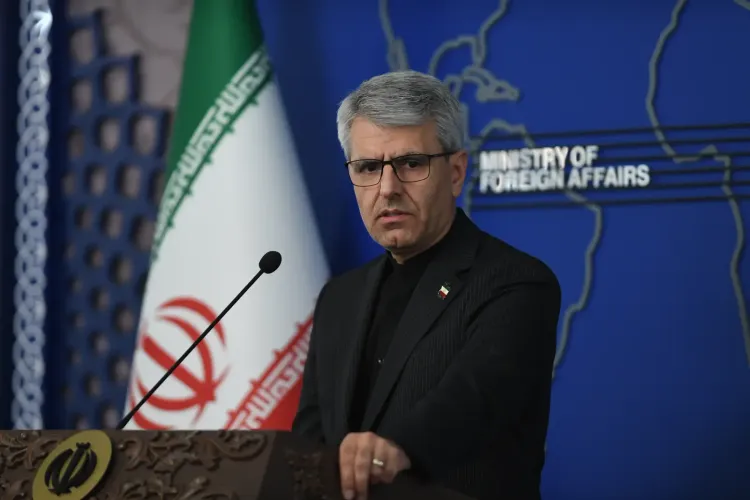
Iran's Foreign Ministry spokesman Esmaeil Baghaei said on 2 October that the Strait of Hormuz can reopen within two days if the US meets Tehran's demands.
Iran has shortened its earlier seven-day plan — conveyed to the US on 22 September at the UN General Assembly — to a two-day window, citing good faith.
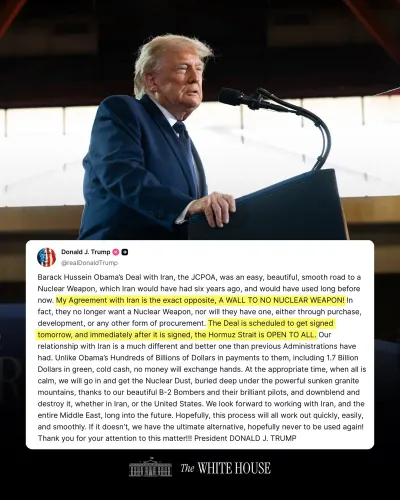
Iran's conditions include the US ending its anti-Iran naval blockade ; the full list of demands has not been made public.
Israel and the US launched joint strikes on Tehran and other Iranian cities on 28 February , triggering Iran's counter-strikes and the Hormuz closure.
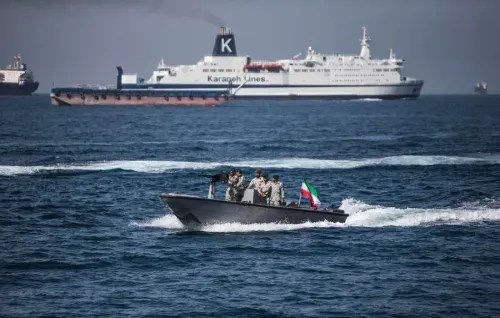
The Strait of Hormuz carries oil and LNG from the Persian Gulf to global markets, making it one of the world's most critical energy corridors.
Iran's Foreign Ministry spokesman Esmaeil Baghaei said on Monday, 2 October that the Strait of Hormuz could be reopened within two days if the United States meets Tehran's 'legitimate' demands — a significant narrowing of Iran's earlier seven-day proposal and a signal that back-channel diplomacy remains active.
Iran's Two-Day Offer Explained
Speaking at his weekly press conference in Tehran, Baghaei said the foundation for any indirect engagement between Iran and the US through mediators remains the seven-day plan Tehran put forward in September. He added that Iran had since compressed the implementation window to two days, citing its own good faith.
'We have announced that if Iran's demands are met, the possibility will exist to restore security to the Strait of Hormuz and start the negotiation process in a short period of time,' Baghaei said, according to reports. He stressed that all outcomes hinge on Washington's decision on how to proceed.
What Iran Is Demanding
Baghaei said Iran has articulated its conditions 'clearly, reasonably, and logically.' He underlined that unless the United States ends what Tehran describes as its anti-Iran naval blockade and addresses Iran's stated demands, no agreement will materialise and the strait will remain closed or unsecured. The specific terms of those demands have not been disclosed publicly, but the broader framework was reportedly conveyed to Washington through mediators.
How the Crisis Reached This Point
Iran transmitted its seven-day plan — outlining conditions for ending the war and reopening the Strait of Hormuz — to the United States on the sidelines of the 81st session of the UN General Assembly in New York on 22 September. Since then, Tehran and Washington have reportedly continued exchanging messages on the proposal through intermediaries.
The conflict escalated after Israel and the United States launched joint attacks on Tehran and other Iranian cities on 28 February. Iran responded with waves of missile and drone strikes targeting Israel and US bases and assets across the region, and simultaneously tightened its control over the Strait of Hormuz. This comes amid broader regional instability that has kept global energy markets on edge for months.
Why the Strait of Hormuz Matters
The Strait of Hormuz links the Persian Gulf with the Gulf of Oman and the Arabian Sea, making it one of the world's most consequential energy corridors. The waterway carries oil and Liquefied Natural Gas (LNG) exports from major Gulf producers — including Saudi Arabia, the UAE, and Kuwait — to global markets. Any prolonged closure or disruption directly impacts crude prices, shipping costs, and energy security for import-dependent economies including India.
What Happens Next
The ball is firmly in Washington's court, according to Tehran's framing. Whether the US responds to Iran's conditions through mediators — and how quickly — will determine if the two-day window is acted upon or expires as a diplomatic gesture. Analysts note that Tehran's compression of the timeline from seven days to two could reflect either genuine urgency to de-escalate or a calibrated pressure tactic ahead of broader negotiations.
Point of View
As one of the largest Gulf energy importers, has a direct stake in the outcome that has received far less attention than it warrants.
NationPress
2 Nov 2026
Frequently Asked Questions
What is Iran's condition for reopening the Strait of Hormuz?
Iran says the Strait of Hormuz can be reopened within two days if the United States ends its anti-Iran naval blockade and meets Tehran's stated demands. The full list of conditions has not been made public, but the framework was shared with the US through mediators on 22 September at the UN General Assembly.
What is Iran's seven-day plan and why is it now two days?
Iran's seven-day plan, proposed in September, outlined conditions for ending the conflict and reopening the Strait of Hormuz. Tehran has since reduced the implementation window to two days, with Foreign Ministry spokesman Esmaeil Baghaei citing Iran's good faith as the reason for the shorter timeline.
How did the Strait of Hormuz crisis begin?
The crisis escalated after Israel and the United States launched joint strikes on Tehran and other Iranian cities on 28 February. Iran responded with missile and drone attacks targeting Israel and US regional assets, and tightened its control over the Strait of Hormuz.
Why is the Strait of Hormuz so important to global energy markets?
The Strait of Hormuz connects the Persian Gulf with the Gulf of Oman and the Arabian Sea, and is the primary export route for oil and LNG from major Gulf producers including Saudi Arabia, the UAE, and Kuwait. Its closure or disruption directly raises global crude prices and energy costs for import-dependent countries.
What happens if the US does not respond to Iran's demands?
Baghaei was explicit: if the US does not end its naval blockade and address Iran's demands, no agreement will be reached and the Strait of Hormuz will not be reopened or secured. The US has not publicly responded to Tehran's two-day offer as of 2 October.