Iran open to diplomacy if US shifts approach, says President Pezeshkian
Synopsis
Iran's President Pezeshkian has signalled diplomatic openness — but with conditions attached. With the Strait of Hormuz under a US blockade following collapsed Islamabad talks, and Japan now actively mediating, the question is whether Washington is willing to shift its posture enough to bring Tehran back to the negotiating table.
Key Takeaways
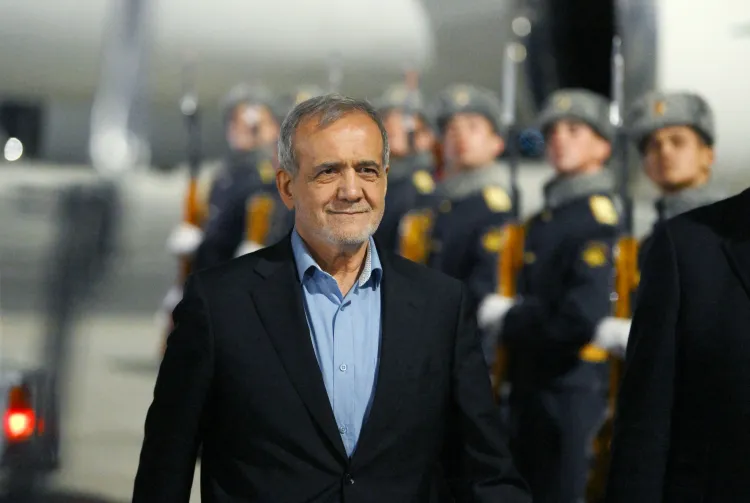
President Masoud Pezeshkian said on 30 April 2025 that Iran is ready for diplomacy if the US changes its excessive and provocative approach.
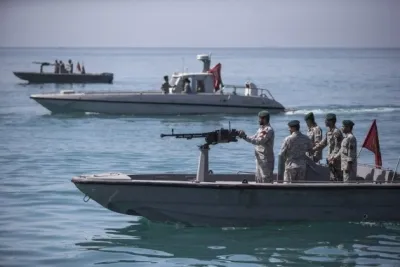
Pezeshkian blamed the United States and Israel for insecurity in the Gulf and Strait of Hormuz , condemning what he called "American piracy" against Iranian ships.
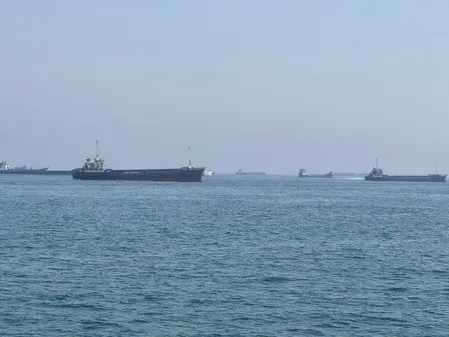
The US imposed a blockade on the Strait of Hormuz after US-Iran talks in Islamabad on 11–12 April failed to reach an agreement.
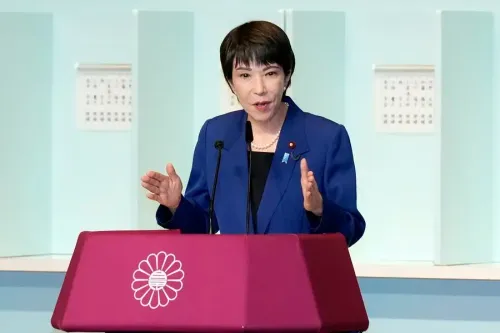
Japanese PM Sanae Takaichi held a phone call with Pezeshkian and secured the safe passage of a Japanese vessel with three crew members through the Strait.
Takaichi urged that safe and free navigation through the Strait of Hormuz be guaranteed for all nations' ships.
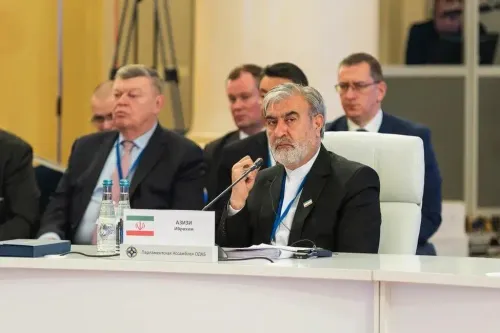
Iranian President Masoud Pezeshkian declared on Thursday, 30 April 2025, that Tehran is prepared to pursue diplomacy with Washington — but only if the United States abandons what he described as its excessive approach and provocative actions, according to local media reports. The statement comes amid heightened tensions over the Strait of Hormuz and stalled nuclear negotiations.
Pezeshkian's Conditions for Diplomacy
Speaking on Persian Gulf National Day, Pezeshkian emphasised Iran's readiness to re-engage diplomatically, provided the US alters its current posture. He attributed the prevailing insecurity in the Gulf and the Strait of Hormuz to actions by the United States and Israel, and called for an end to what he termed
Point of View
Not a concession — Iran is keeping a door open while publicly hardening its narrative around American aggression and international law. The framing of US actions as "piracy" is deliberate: it shifts the moral burden onto Washington ahead of any resumed negotiations. Japan's mediation is notable precisely because Tokyo has economic stakes in Gulf stability and political credibility with both sides. The real test is whether the US interprets Tehran's conditions as a starting point or a non-starter — and whether the Islamabad breakdown was a tactical pause or a structural collapse.
NationPress
19 Sept 2026
Frequently Asked Questions
Why is Iran willing to pursue diplomacy with the US now?
Iranian President Masoud Pezeshkian said on 30 April 2025 that Tehran is open to diplomacy if Washington abandons its excessive approach and provocative actions. The offer is conditional and comes amid a US-imposed blockade on the Strait of Hormuz following failed talks in Islamabad in April 2025.
What is the US blockade on the Strait of Hormuz?
The United States imposed a blockade on the Strait of Hormuz after post-ceasefire negotiations with Iran held in Islamabad on 11 and 12 April 2025 failed to produce an agreement. The Strait is a critical global shipping lane, and Iran has called the blockade a violation of international law.
What role is Japan playing in US-Iran tensions?
Japanese Prime Minister Sanae Takaichi held a phone call with President Pezeshkian to discuss safe passage for Japanese vessels through the Strait of Hormuz. She also conveyed expectations that US-Iran consultations will resume soon, positioning Japan as an active diplomatic intermediary.
What happened at the Islamabad talks between the US and Iran?
Negotiations between the United States and Iran were held in Islamabad, Pakistan, on 11 and 12 April 2025 but failed to reach an agreement. The breakdown led to the US imposing a blockade on the Strait of Hormuz, significantly escalating bilateral tensions.
What did Pezeshkian say about the Strait of Hormuz on Persian Gulf National Day?
On Persian Gulf National Day, Pezeshkian stated that any attempt to impose a blockade or maritime restrictions on the Strait of Hormuz is contrary to international law and a threat to regional and global stability, calling such actions doomed to failure.