Siang Upper dam protests: 36-hour shutdown hits 3 Arunachal districts, Congress demands project scrapping
Synopsis
A 36-hour shutdown over the proposed 11,200-MW Siang Upper Multipurpose Project paralysed Upper Siang district in Arunachal Pradesh on 2 November, with Congress now demanding the mega dam be scrapped entirely. The project sits at the collision of indigenous displacement fears, environmental concerns and India's urgent strategic response to China's own Yarlung Tsangpo dam — making this far more than a local protest.
Key Takeaways
A 36-hour shutdown called by SIFF and SAAYA disrupted life in Upper Siang and parts of East Siang districts on 2 November 2026 .
Upper Siang DM Ashok Tajo declared the bandh illegal under Section 163 of the BNSS, 2023 .
Protesters demand release of arrested demonstrators, withdrawal of security forces and suspension of project surveys.
APCC president Bosiram Siram claims the project could submerge 27 villages and has demanded the project be scrapped.
The 11,200-MW SUMP holds strategic importance for India as a counter to China's planned dam on the Yarlung Tsangpo in Tibet.
CM Pema Khandu has held all-party and community consultations on the Pre-Feasibility Report, and reiterated openness to dialogue.
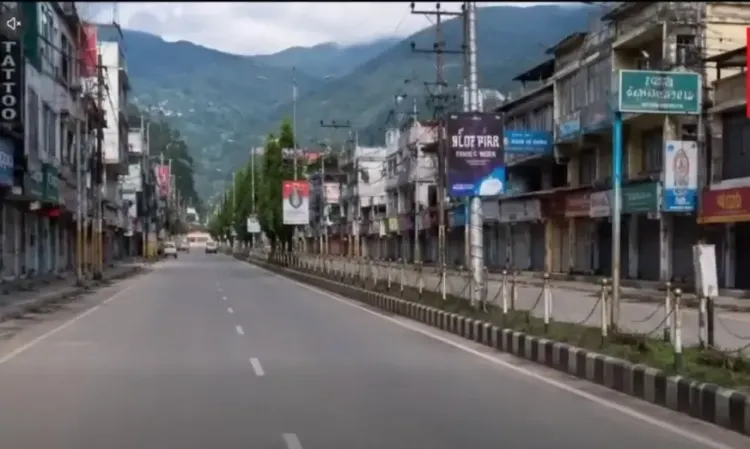
A 36-hour shutdown called by indigenous organisations to protest the proposed 11,200-MW Siang Upper Multipurpose Project (SUMP) disrupted normal life across Siang, Upper Siang and East Siang districts of Arunachal Pradesh on Monday, 2 November 2026. Schools, government offices, shops and public transport remained closed in several areas, while protesters reportedly burnt tyres at multiple locations.
Where the Impact Was Felt
The shutdown's effects were most severe in Upper Siang district, particularly in the towns of Yingkiong and Geku, where business establishments, government offices and educational institutions remained shut. East Siang witnessed partial disruption, while Siang district itself reported no impact, with offices, schools and shops functioning normally, according to a senior police official there.
Upper Siang Deputy Commissioner-cum-District Magistrate Ashok Tajo invoked Section 163 of the BNSS, 2023 to declare the shutdown illegal. In his order, Tajo stated: 'Such bandh call causes untold misery, hardship and disruption to the general public, including daily wage earners, school and college students, patients requiring emergency medical service, business establishments and daily commuters. Past instances of such shutdowns have led to breaches of peace, public tranquillity and potential damage or destruction to public and private properties.'
Who Called the Shutdown and What They Want
The bandh was organised by the Siang Indigenous Farmers Forum (SIFF) and the Siang Upper Multipurpose Project Affected Area Youth Association (SAAYA). Their charter of demands includes the immediate release of arrested demonstrators, withdrawal of additional security forces from affected areas, and the suspension of ongoing survey activities for the proposed hydropower project.
The agitating groups also sought the withdrawal of cases filed under the Arunachal Pradesh Unlawful Activities (Prevention) Act, revocation of suspension orders against government employees, and removal of cases against gaon buras (village headmen) who have opposed the project.
Congress Demands Project Be Scrapped
The Arunachal Pradesh Congress Committee (APCC) strongly backed the protesters, demanding the scrapping of the project and the immediate release of all those arrested during demonstrations. APCC president Bosiram Siram claimed the project could lead to the submergence of 27 villages once the dam is constructed.
A Congress leader argued that no development initiative should proceed at the cost of indigenous communities' ancestral land, identity, culture and livelihood, and stressed that the prior consent of project-affected communities must be obtained before any implementation. The party expressed particular concern over the arrest of protesters, suspension of government employees and alleged punitive action against village headmen who have voiced opposition.
Strategic Stakes Behind the Project
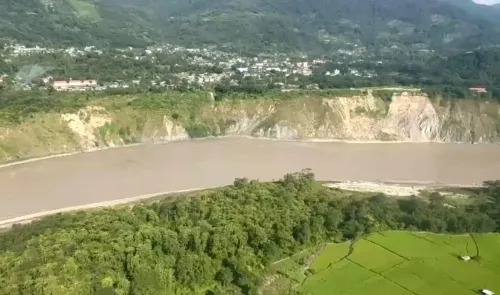
The proposed SUMP is envisaged as one of India's largest hydropower initiatives, and carries significant strategic weight for the Centre. It comes in direct response to China's planned mega hydropower project on the Yarlung Tsangpo River in Tibet — which flows into India as the Siang — raising national security and water-security concerns that go well beyond the state's borders.
According to reports, around 27 villages could face submergence, with several dozen more potentially affected. The opposition is largely rooted in fears over displacement, loss of agricultural land and forests, and the disruption of traditional Adi community livelihoods and cultural practices.
Government's Stance and Way Forward
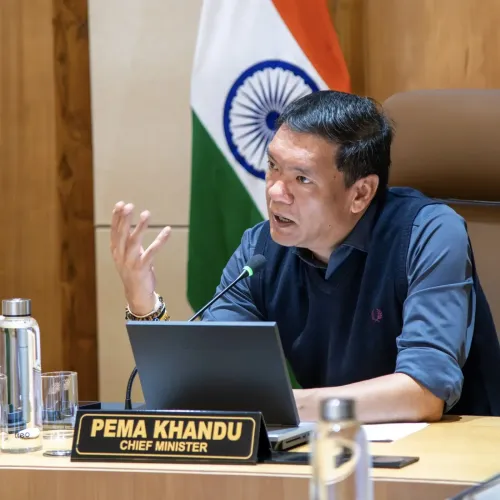
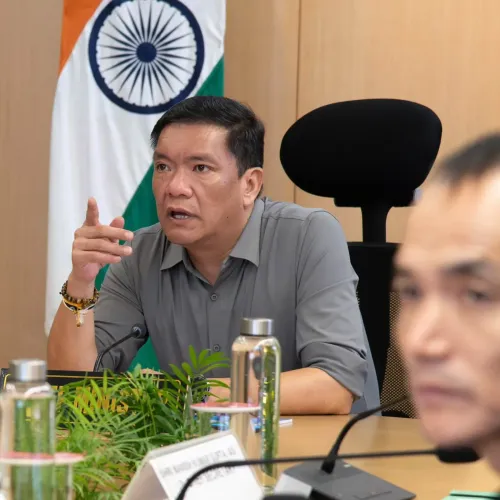
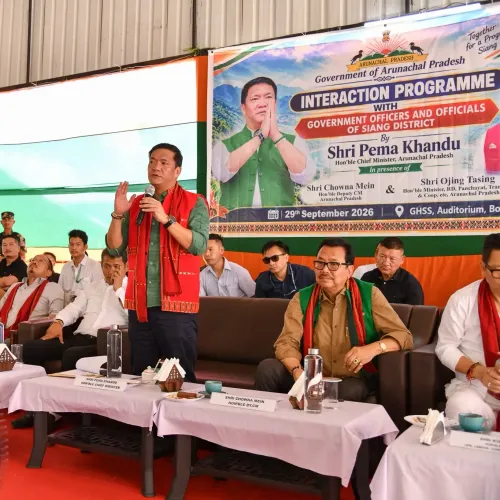
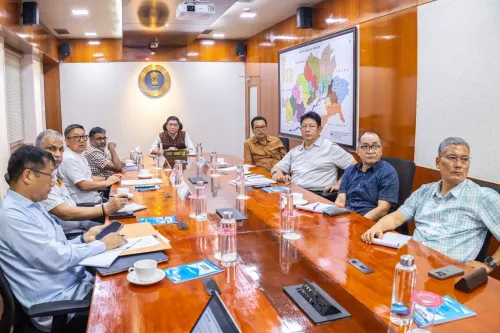
Chief Minister Pema Khandu and Deputy Chief Minister Chowna Mein have on multiple occasions stated that the state government remains open to dialogue with all stakeholders. As part of a consultation process, Khandu held separate all-party meetings with legislators and the Arunachal Indigenous Tribes Forum (AITF), as well as various community-based organisations, to discuss the Pre-Feasibility Report (PFR) and assess the project's viability.
With political parties now formally joining the opposition movement, the SUMP has become a defining flashpoint in Arunachal Pradesh — one that puts development imperatives, environmental protection, indigenous rights and national strategic interests on a direct collision course.
Point of View
And the suspension of government employees and action against village headmen suggests the administration is using coercion where it should be using consultation. If Khandu's all-party meetings have not yet defused the movement, it signals that the Pre-Feasibility Report has not answered the questions communities are actually asking about submergence, compensation and cultural loss.
NationPress
2 Nov 2026
Frequently Asked Questions
What is the Siang Upper Multipurpose Project (SUMP) and why is it controversial?
The SUMP is a proposed 11,200-MW hydropower project on the Siang river in Arunachal Pradesh, envisaged as one of India's largest such initiatives. It is controversial because an estimated 27 villages could face submergence, raising fears of large-scale displacement among the indigenous Adi community, loss of agricultural land and forests, and disruption of traditional livelihoods and cultural practices.
Why did the 36-hour shutdown take place on 2 November 2026?
The shutdown was called by the Siang Indigenous Farmers Forum (SIFF) and the SUMP Affected Area Youth Association (SAAYA) to press demands including the release of arrested protesters, withdrawal of additional security forces, and suspension of ongoing survey activities for the proposed dam project.
What is the Congress party demanding over the Siang dam?
The Arunachal Pradesh Congress Committee has demanded the complete scrapping of the SUMP project and the immediate release of all those arrested during protests. The party has also called for withdrawal of cases against government employees and village headmen, and insists that prior consent of affected communities must be obtained before any project implementation.
Why does the Centre consider the Siang project strategically important?
The project is seen as India's response to China's planned massive hydropower project on the Yarlung Tsangpo river in Tibet, which flows into India as the Siang. Control over hydropower infrastructure on the river is considered critical to India's water security and strategic posture in the Northeast.
What has the Arunachal Pradesh government said about the protests?
Chief Minister Pema Khandu and Deputy Chief Minister Chowna Mein have repeatedly stated that the state government is open to dialogue with all stakeholders. Khandu has held all-party legislative meetings and consultations with the Arunachal Indigenous Tribes Forum and various community-based organisations to discuss the project's Pre-Feasibility Report.