Bihar CM Nitish Backs Dredged Stone Reuse in Gabion Spurs
Synopsis
Bihar CM Nitish Kumar has endorsed reusing large stones from river dredging operations to build gabion-fitted spurs, a cost-saving flood-control measure. The CMO confirmed the consensus on 2 November 2026, extending the state's decades-long effort to protect communities from Himalayan river flooding.
Key Takeaways
Bihar CM Nitish Kumar has given approval in principle for using large stones excavated during river dredging in the construction of gabion-fitted spurs .
Gabion spurs are wire-mesh stone structures built along riverbanks to deflect current and prevent erosion — a key flood-mitigation tool.
Reusing dredged stone cuts stone-procurement costs, the largest input expense in gabion construction.
Bihar has deployed spur and embankment projects since the early 2000s to address annual flooding from rivers including the Kosi and the Ganga .
Specific project sites, rivers, and timelines for the initiative have not yet been publicly announced.
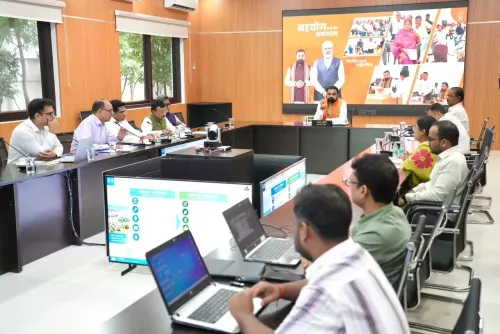
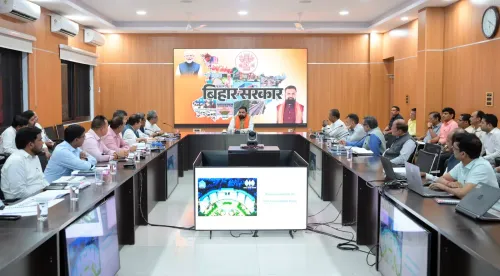
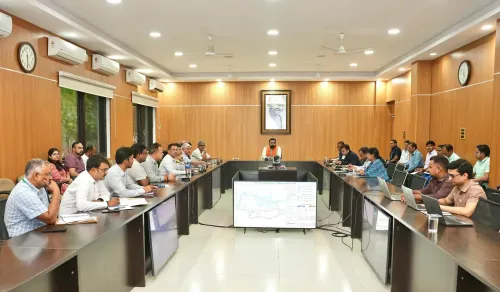
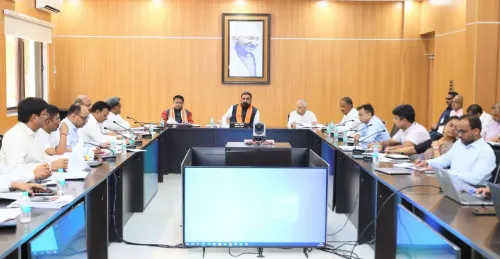
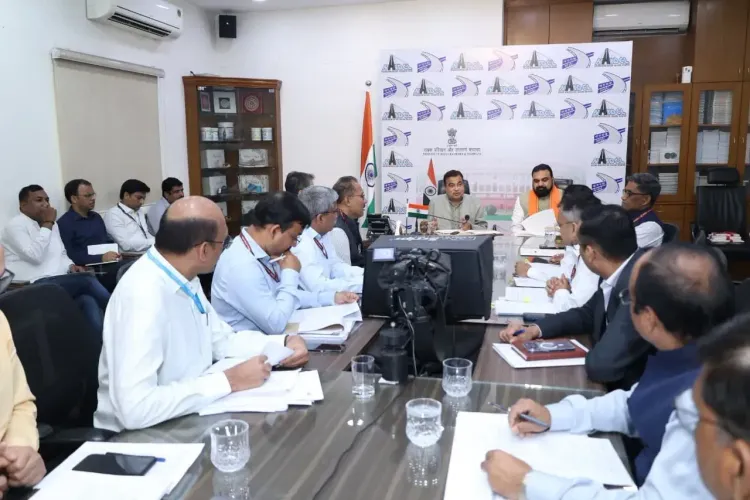
A practical flood-engineering idea just got a green light at the top. Bihar Chief Minister Nitish Kumar has backed a proposal to reuse large stones extracted during river dredging operations for the construction of gabion-fitted spurs — protective structures built along riverbanks to check erosion and deflect current — with consensus reached on the approach, the Chief Minister's Office of Bihar confirmed on Monday, 2 November 2026.
Posting on X, the CMO quoted the Chief Minister directly: 'ड्रेजिंग से निकलने वाले बड़े पत्थरों का उपयोग गैबियन युक्त स्पर निर्माण में करने पर भी सहमति बनी' — 'Consensus has also been reached on using the large stones extracted from dredging for the construction of gabion-fitted spurs.'Why Reusing Dredged Stone Changes the Math
Dredging Bihar's Himalayan-fed rivers — chief among them the Kosi and the Ganga — routinely excavates tonnes of rock and sediment that has traditionally been treated as waste or left on riverbanks. Routing that material directly into gabion spur construction is a cost-compression move: gabions are wire-mesh baskets packed with stone, and stone procurement is typically the single largest input cost. Cutting that procurement bill by using already-excavated rock could meaningfully reduce per-metre construction costs on spurs.
Spurs themselves are a proven tool in Bihar's flood playbook. Built perpendicular or at an angle to the riverbank, they force the current away from vulnerable embankments, buying time for communities in the most flood-exposed districts. The state has deployed them alongside embankment repairs since the early 2000s, when central assistance scaled up following catastrophic Kosi floods.
A State That Cannot Afford to Wait Out the Monsoon
Bihar is among India's most flood-battered states. Every monsoon season, Himalayan rivers swollen with glacial meltwater and precipitation spill across the northern plains, displacing hundreds of thousands of residents and damaging crops and infrastructure. The state's Water Resources Department has been under sustained pressure to find solutions that are both engineered and affordable — precisely the gap this dredge-and-reuse approach targets.
Chief Minister Nitish Kumar, in power for most of the period since 2005, has made river management a signature of his administration. The current consensus, whatever meeting or review it emerged from, extends that continuity — applying an efficiency logic to a problem Bihar has been grappling with for decades.
The specific rivers, project sites, or timelines for piloting gabion spur construction using dredged stone have not yet been publicly announced. The Water Resources Department's follow-up tenders and field orders will be the next test of whether this consensus translates into concrete, stone-packed action on the ground.
Point of View
Circular material use is a fiscal discipline as much as an engineering choice. It also signals that the Nitish Kumar administration is still actively refining — rather than simply repeating — its river-management toolkit heading into a new budget cycle. The unanswered question is scale: consensus at the CM level is the easy part; translating it into tendered, monitored projects on specific rivers is where Bihar's infrastructure ambitions have historically met their limits.
NationPress
2 Nov 2026
Frequently Asked Questions
What are gabion spurs and how do they help with flooding in Bihar?
Gabion spurs are protective structures made of wire-mesh baskets filled with stone, built along or perpendicular to riverbanks. They deflect river current away from embankments, reducing erosion and helping protect flood-prone communities in Bihar from rivers like the Kosi and Ganga.
Why is Bihar reusing dredged stones for spur construction?
River dredging operations excavate large quantities of stone that would otherwise go unused. Channelling this material into gabion spur construction eliminates stone-procurement costs, making flood-protection infrastructure significantly cheaper to build.
What rivers in Bihar are most affected by flooding?
The Kosi and Ganga are among the most flood-prone rivers in Bihar. Both are fed by Himalayan snowmelt and heavy monsoon rainfall, causing annual inundation that displaces large numbers of residents across northern Bihar.
When did Bihar start building river spurs and embankments for flood control?
Bihar has been constructing spurs and embankments with central government assistance since the early 2000s, scaling up significantly after severe Kosi flooding. These structures form a core part of the state's flood-mitigation strategy.
Which department in Bihar handles river dredging and flood infrastructure?
The Bihar Water Resources Department is responsible for river dredging, spur construction, embankment maintenance, and related flood-control infrastructure across the state.