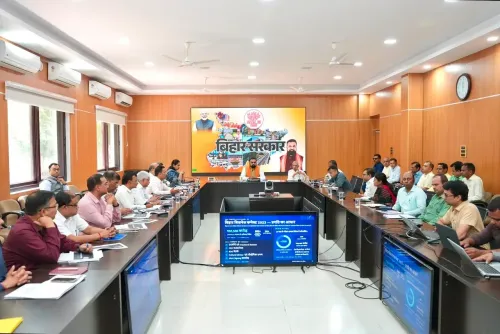
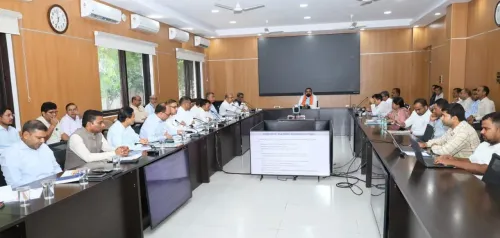
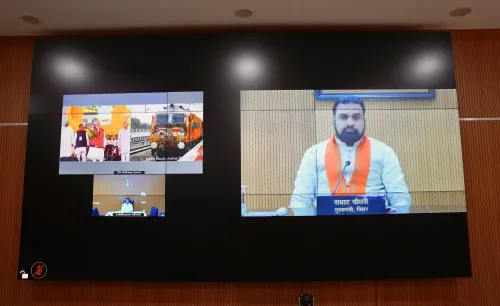
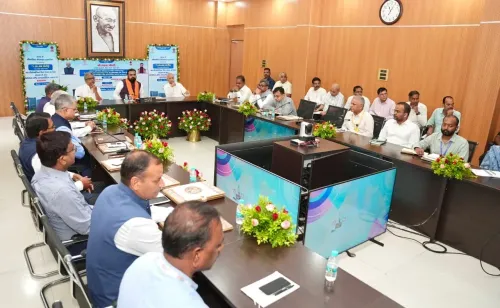
Bihar CM Nitish Kumar pushes zero-waste, green urban growth
Synopsis
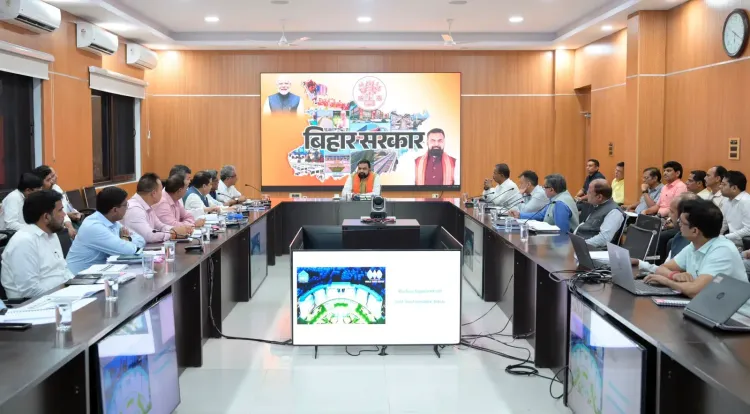
The Chief Minister's Office of Bihar says CM Nitish Kumar has directed that urban construction across the state adopt modern technology, environmental norms, and a zero-waste model — aiming for development that is durable, eco-friendly, and organised.
Key Takeaways
CM Nitish Kumar has directed all urban construction in Bihar to adopt modern technology and environmental standards.
The 'Zero Waste Model' is to be formally incorporated into construction practices across Bihar's cities.
The goal is urban development that is modern, durable, environment-friendly, and organised.
Bihar has previously participated in national missions including AMRUT (2015) and Swachh Bharat Mission (2014) , which underpin this directive.
Urban planners, construction firms, and city residents are the primary stakeholders affected by the new emphasis.
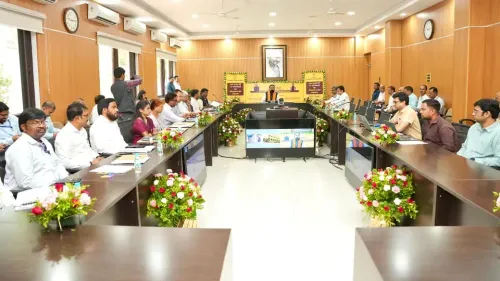
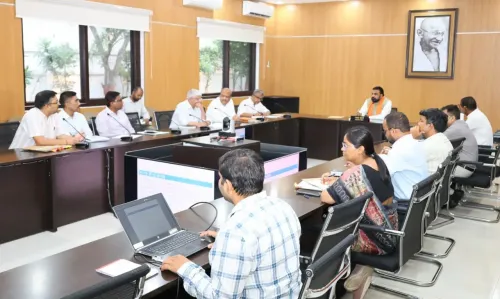
Modern technology, strict environmental standards, and a 'Zero Waste Model' — these are the three pillars Bihar Chief Minister Nitish Kumar is now demanding from every urban construction project in the state. The directive, shared by the Chief Minister's Office of Bihar on 13 August 2026, signals a clear shift in how Bihar intends to manage its fast-expanding cities.
The CMO's post stated that the Chief Minister placed special emphasis on adopting modern technology, environmental norms, and a zero-waste model in construction works — 'ताकि बिहार के शहरों का विकास आधुनिक, टिकाऊ, पर्यावरण-अनुकूल एवं व्यवस्थित तरीके से सुनिश्चित किया जा सके' (so that the development of Bihar's cities can be ensured in a modern, durable, environment-friendly, and organised manner).
Zero waste as a construction standard, not just a slogan
The zero-waste model demands that construction sites minimise material wastage, recycle debris, and reduce environmental footprint at every stage of a project. Applied at scale across a state the size of Bihar — home to over 130 million people and among India's fastest-urbanising states — this is an administrative commitment with real on-ground consequence. Urban planners and construction firms operating in the state will now be expected to align their processes with these standards.
The push is not happening in a vacuum. Bihar has been a participant in national urban missions including the Atal Mission for Rejuvenation and Urban Transformation (AMRUT), launched in 2015, which provided central funding specifically for sustainable urban infrastructure. The Swachh Bharat Mission, launched in 2014, laid the groundwork for waste-reduction culture in civic governance. Nitish Kumar's latest directive builds on that foundation — but raises the bar by embedding these norms directly into construction practice.
Why this matters for Bihar's cities right now
Rapid urban growth without environmental guardrails has been a recurring problem across Indian states — congestion, construction debris, strained drainage, and unchecked resource consumption. Bihar's urban centres, including Patna, are under mounting pressure as migration from rural districts accelerates. A directive from the Chief Minister's level signals that these concerns are being treated as a governance priority, not an afterthought.
What to watch next: whether updated construction guidelines or pilot zero-waste projects materialise in major Bihar cities during the next state budget cycle or municipal planning review. The directive has been issued — the test is in the implementation.
Point of View
The directive's value will be measured in pilot projects and compliance mechanisms — not the announcement itself. Embedding environmental standards at the CM-directive level does, however, raise the political cost of ignoring them.
NationPress
28 Sept 2026
Frequently Asked Questions
What is the zero-waste model Bihar CM Nitish Kumar is promoting?
The zero-waste model requires construction sites to minimise material wastage, recycle debris, and reduce environmental impact at every stage of a project. CM Nitish Kumar has directed its adoption across urban construction in Bihar to make city development more sustainable and organised.
Which urban missions support Bihar's sustainable construction push?
Bihar has participated in the Atal Mission for Rejuvenation and Urban Transformation (AMRUT), launched in 2015, and the Swachh Bharat Mission, launched in 2014, both of which promote sustainable urban infrastructure and waste reduction — forming the policy foundation for CM Nitish Kumar's latest directive.
Why is Bihar focusing on environmental standards in construction now?
Bihar's cities, including Patna, face growing pressure from rapid urbanisation and rural-to-urban migration. Without environmental guardrails, construction-related pollution, debris, and resource waste worsen. The CM's directive aims to get ahead of these challenges by making eco-friendly norms mandatory in urban projects.
Who will be affected by Bihar's new urban construction standards?
Urban planners, construction firms, and city residents across Bihar are the primary stakeholders. Construction companies will need to align their processes with modern technology and environmental norms, while residents stand to benefit from cleaner, more organised urban development.
What should we watch for next after Bihar CM's zero-waste construction directive?
The key indicators will be updated construction guidelines, pilot zero-waste projects in major Bihar cities, and whether these norms are incorporated into the next state budget cycle or municipal planning reviews.