CM Nitish Kumar pushes waste mgmt, Ganga sewerage, Sabji Haat in Bihar
Synopsis
Bihar CM Nitish Kumar has directed officials to accelerate solid waste management, expand house-to-house sewerage under Namami Gange, and implement the Sabji Haat scheme locally — a three-pronged push to improve urban liveability across Bihar's towns.
Key Takeaways
Bihar CM Nitish Kumar issued directives on 19 June 2026 covering three urban infrastructure priorities.
Officials were asked to accelerate solid waste management works to make cities garbage-free.
House-to-house sewerage network coverage under the Namami Gange project is to be ensured across eligible towns.
The Sabji Haat vegetable market scheme is to be implemented effectively, adapted to each locality's needs.
The directives align Bihar's state urban agenda with Central flagship programmes — Namami Gange and Swachh Bharat Mission .
Urban residents, municipal bodies , and vegetable vendors are the primary stakeholders of these measures.
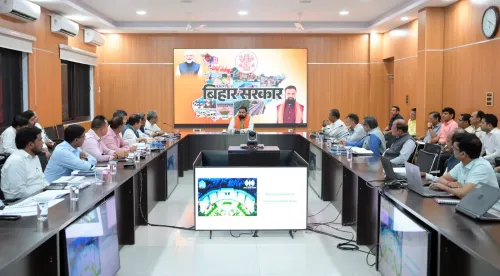
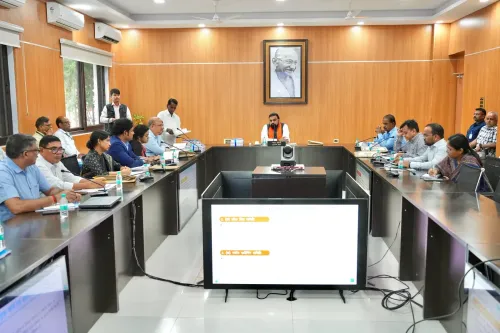
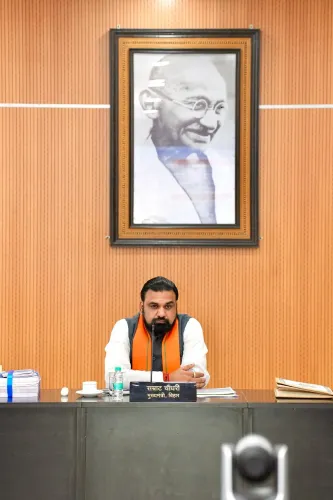
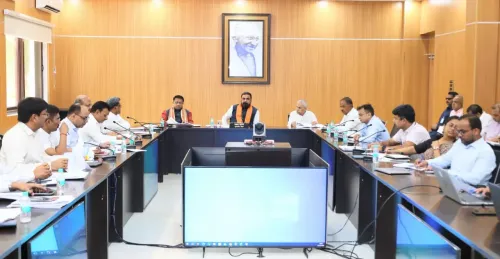
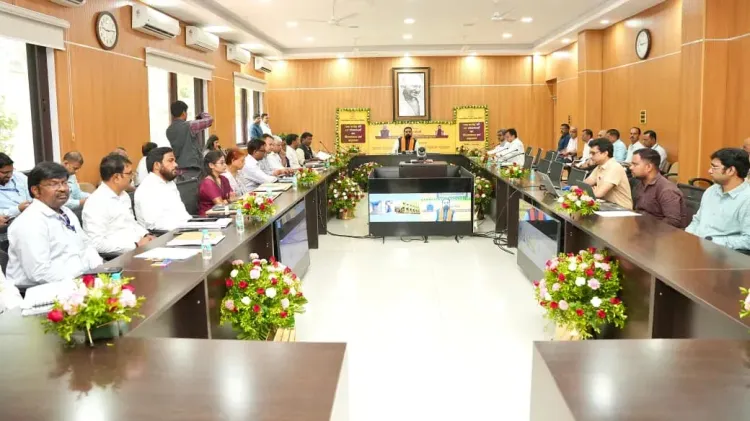
The Chief Minister's Office of Bihar announced on Friday, 19 June 2026 that Chief Minister Nitish Kumar has directed officials to accelerate three urban infrastructure priorities: solid waste management, house-to-house sewerage under the Namami Gange project, and the rollout of the Sabji Haat vegetable market scheme tailored to local needs.
The official post stated that the Chief Minister 'ठोस अपशिष्ट प्रबंधन कार्यों में तेजी लाने' ('accelerating solid waste management works') to make cities garbage-free, ensuring 'घर-घर सीवरेज नेटवर्क की सुविधा' ('house-to-house sewerage network facility') under Namami Gange, and implementing the Sabji Haat scheme effectively in line with local requirements.
Context
Nitish Kumar, Bihar's long-serving Chief Minister, has consistently anchored the state's urban agenda around central flagship schemes. The directives issued cover three distinct but interconnected domains — sanitation, river-linked sewerage infrastructure, and organised local trade — signalling a coordinated push on urban liveability ahead of the 2025-26 urban development budget cycle.
The emphasis on making cities 'kachra-mukt' (garbage-free) aligns with the broader goals of the Swachh Bharat Mission, under which Bihar's municipal bodies are expected to meet solid waste processing benchmarks set by the Centre.
Policy Backdrop
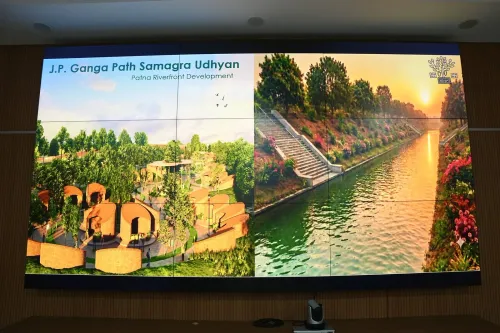
The Namami Gange programme, launched by the Central government in 2014, targets river rejuvenation through sewerage infrastructure in towns along the Ganga basin. Bihar, with several riparian cities including Patna, Bhagalpur, and Munger, has been a key implementation state for house-to-house sewer connections under this scheme.
Successive Bihar state budgets have allocated funds for decentralised waste processing and sewerage expansion. The Sabji Haat scheme represents the state's effort to create organised, hygienic vegetable markets that serve both urban consumers and small-scale vegetable vendors, adapting the model to the specific infrastructure and commercial conditions of each municipality.
Stakeholders and Impact
Urban residents across Bihar's Ganga-adjacent towns stand to benefit directly from improved sewerage connectivity, which reduces waterlogging, groundwater contamination, and public health risks. Municipal bodies will bear primary responsibility for execution, requiring coordination with both state urban development departments and Central agencies overseeing Namami Gange funds.
Vegetable vendors and local traders are the immediate beneficiaries of the Sabji Haat directive. Organised market spaces reduce vendor displacement and provide a stable, hygienic trading environment, which in turn benefits daily consumers seeking affordable produce in urban neighbourhoods.
What's Next
The Chief Minister's directives are expected to translate into departmental action plans and review timelines set by the Chief Minister's Office. Progress on sewerage and waste projects under the current urban development budget, as well as follow-up reviews by the CM's office, will indicate the pace of on-ground implementation.
Bihar's ability to converge state funds with Central scheme allocations under Namami Gange and Swachh Bharat Mission will be a key determinant of how quickly these directives move from policy emphasis to measurable urban outcomes.
Point of View
Namami Gange sewerage, and Sabji Haat into a single directive reflects a pattern of convergence politics — using Central scheme funding as leverage to advance state urban goals. The Ganga sewerage push is particularly significant given Bihar's large number of riparian towns that remain under-served by formal sewer networks. The inclusion of the Sabji Haat scheme signals that the CM is framing urban infrastructure not merely as sanitation but as a livelihood issue, broadening political appeal to small traders. How quickly municipal bodies translate these directives into contracts and connections will be the real test of administrative follow-through.
NationPress
19 Sept 2026
Frequently Asked Questions
What did Bihar CM Nitish Kumar direct officials to do on 19 June 2026?
CM Nitish Kumar directed officials to speed up solid waste management works for garbage-free cities, ensure house-to-house sewerage under Namami Gange, and implement the Sabji Haat vegetable market scheme as per local needs.
What is the Namami Gange project and how does it relate to Bihar?
Namami Gange is a Central government flagship programme launched in 2014 to rejuvenate the Ganga river, including building sewerage infrastructure in towns along the river. Bihar, with several Ganga-adjacent cities, is a key implementation state for house-to-house sewer connections under the scheme.
What is the Sabji Haat scheme in Bihar?
The Sabji Haat scheme is a Bihar state initiative to create organised, hygienic vegetable markets adapted to local municipal conditions, benefiting both small-scale vegetable vendors and urban consumers.
How does Bihar's solid waste management connect to Swachh Bharat Mission?
Bihar's solid waste management push is aligned with the Central government's Swachh Bharat Mission, which sets benchmarks for garbage-free cities and waste processing that municipal bodies across the state are expected to meet.
Which cities in Bihar are likely to benefit from the Namami Gange sewerage push?
Ganga-adjacent cities such as Patna, Bhagalpur, and Munger are among the towns in Bihar that stand to benefit from expanded house-to-house sewerage networks under the Namami Gange programme.