CM Nitish Kumar Pushes Ghat Development for Safe Chhath, Urban Growth
Synopsis
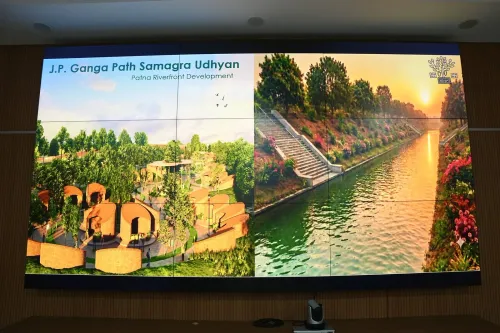
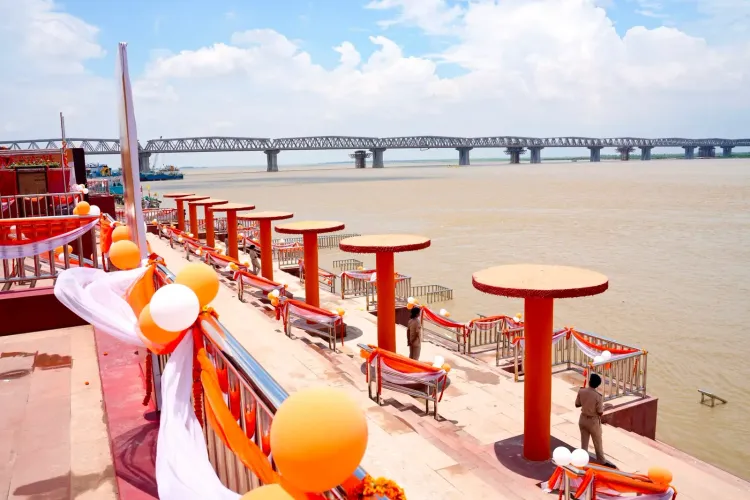
Bihar Chief Minister Nitish Kumar has said that ongoing ghat development will deliver safe, clean, and convenient riverfront spaces for Chhath Mahaparv devotees and citizens throughout the year, while advancing inclusive and sustainable urban development across the state.
Key Takeaways
CM Nitish Kumar stated that developed ghats will offer a safe, clean, and convenient environment to devotees and citizens across the entire year, not only during festivals.
The project is explicitly linked to Chhath Mahaparv , Bihar's largest riverbank festival, which draws millions of devotees annually.
The government framed the initiative as strengthening urban infrastructure while driving inclusive and sustainable urban development.
River ghats along Bihar 's rivers serve both daily civic and seasonal religious functions, making their upgrade a broad public-interest project.
Urban local bodies are expected to be key partners in implementing and maintaining the upgraded ghat facilities.
Progress ahead of the next Chhath Mahaparv cycle will be an early indicator of the project's on-ground delivery.
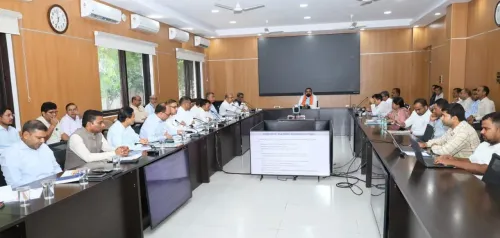
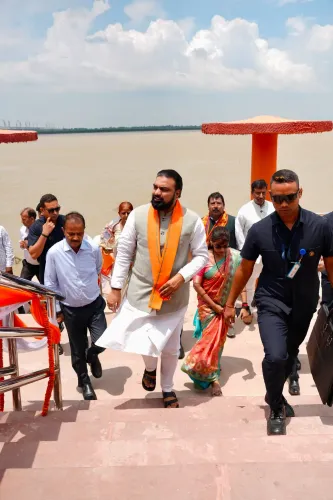
The Chief Minister's Office of Bihar shared remarks by Chief Minister Nitish Kumar on Wednesday, 22 July 2026, underlining the state government's commitment to developing river ghats that will serve devotees and citizens throughout the year, with particular emphasis on the Chhath Mahaparv.
In the post, CM Nitish Kumar was quoted as saying that once these ghats are developed, a 'safe, clean, and convenient environment' will be available to devotees and ordinary citizens not only during Chhath Mahaparv but across the entire year. He added that the project will strengthen urban infrastructure while providing fresh momentum to 'inclusive and sustainable urban development' — samaveshi evam satat shahari vikas ko nayi gati [new impetus to inclusive and sustainable urban development].
Context
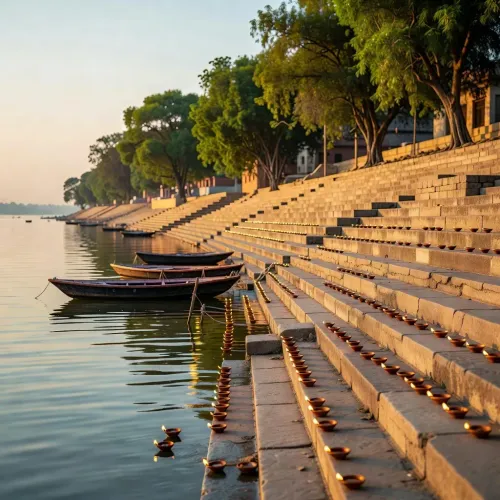
Chhath Mahaparv is one of Bihar's most significant annual festivals, drawing millions of devotees to riverbanks for ritualistic offerings to the Sun God. The festival places exceptional demands on ghat infrastructure — from safety barriers and lighting to cleanliness and crowd management. Inadequate facilities have historically posed risks during peak gathering periods.
River ghats along the Ganga and other rivers in Bihar serve a dual function: as sites of daily religious activity and as public recreational and civic spaces. The state government's framing of this project as a year-round public amenity, rather than a festival-only intervention, signals a broader urban-planning intent.
Policy Backdrop
Bihar has pursued periodic upgrades to its riverfront infrastructure over successive administrations, linking ghat renovation to both festival safety and urban liveability. These efforts align with national-level urban development frameworks that emphasise inclusive public spaces and sustainable city growth.
CM Nitish Kumar, who has helmed the state across multiple terms, has consistently positioned infrastructure investment as central to Bihar's development narrative. Ghat development fits within a pattern of projects that combine civic utility with cultural and religious significance, making them politically and socially resonant.
Stakeholders and Impact
The primary beneficiaries are the millions of Chhath devotees who congregate at ghats each year, as well as urban residents who use riverfront spaces for daily activities. Improved ghats are expected to reduce safety risks during large gatherings and enhance the overall quality of public infrastructure in riverside towns and cities.
Urban local bodies will likely be key implementing and maintenance partners for the project. The government's emphasis on 'inclusive' development also suggests an intent to ensure accessibility for citizens across socioeconomic groups, not only those participating in religious observances.
What's Next
Attention will now turn to the specific ghats covered under the project, the phasing of construction or renovation work, and the budgetary allocations tied to urban local body frameworks. Progress ahead of the next Chhath Mahaparv cycle will serve as an early benchmark for the project's delivery.
The government's framing of this initiative as a driver of 'sustainable urban development' also positions it within longer-term state planning goals, suggesting that ghat upgrades may be part of a wider riverfront or urban renewal programme whose full contours are yet to be announced.
Point of View
' the government is aligning a culturally resonant project with contemporary development vocabulary, broadening its appeal beyond the devotee base. This approach is consistent with Bihar's pattern of using high-visibility infrastructure announcements to signal governance momentum. The real test will be whether project timelines and budgets are publicly disclosed, and whether delivery is visible before the next Chhath season.
NationPress
21 Oct 2026
Frequently Asked Questions
What did Bihar CM Nitish Kumar say about ghat development?
CM Nitish Kumar said that once the ghats are developed, devotees and ordinary citizens will have access to a safe, clean, and convenient environment throughout the year, including during Chhath Mahaparv, and that the project will strengthen urban infrastructure while advancing inclusive and sustainable urban development.
Which festival is linked to Bihar's ghat development project?
The project is closely linked to Chhath Mahaparv , Bihar's major annual riverbank festival during which millions of devotees gather at ghats to perform rituals, placing high demands on public infrastructure.
What is the broader goal of Bihar's river ghat development?
Beyond festival safety, the Bihar government has framed ghat development as a driver of inclusive and sustainable urban development, aiming to strengthen urban infrastructure for year-round public use.
Who will benefit from Bihar's ghat development project?
The primary beneficiaries are Chhath devotees, urban residents who use riverfront spaces daily, and the broader public in riverside towns and cities across Bihar.
What should we watch for next in Bihar's ghat project?
Key things to watch include the announcement of specific ghats covered, phasing and budget details, urban local body involvement, and visible progress before the next Chhath Mahaparv season.