Rajasthan CMO hails Modi's cultural heritage push
Synopsis
The Rajasthan Chief Minister's Office praised PM Modi's leadership on October 21, 2026, calling the government's simultaneous pursuit of development and cultural heritage conservation a 'historic' achievement, with CM Bhajanlal Sharma tagged in the post.
Key Takeaways
The Chief Minister's Office of Rajasthan posted on October 21, 2026 crediting PM Narendra Modi for 'historic' cultural heritage work.
The post was tagged to CM Bhajanlal Sharma , who has led Rajasthan since December 2023 .
The Swadesh Darshan scheme , launched in 2014-15 , developed heritage tourism circuits across Rajasthan.
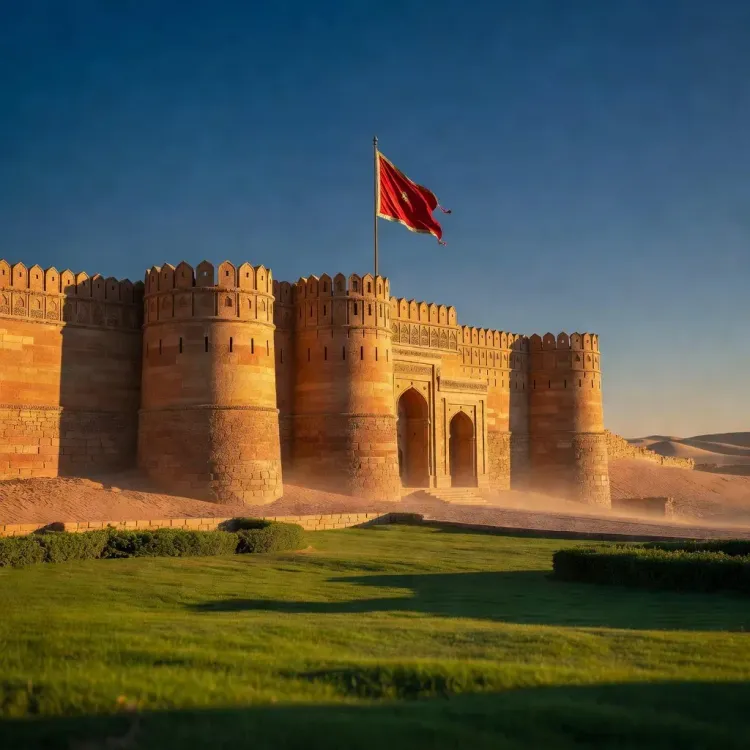
Rajasthan hosts UNESCO-listed forts including those in Jaipur and Jaisalmer , making it a prime canvas for heritage policy.
The messaging reflects a consistent BJP strategy of framing development and cultural preservation as complementary goals.
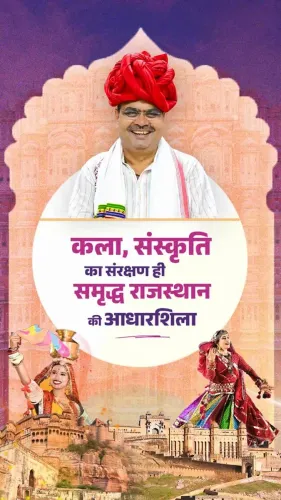
India's cultural legacy is getting a fresh coat of political priority — and Rajasthan is squarely at the centre of it. The Chief Minister's Office of Rajasthan posted on Wednesday, October 21, 2026, crediting Prime Minister Narendra Modi's leadership for what it called a 'historic effort' to preserve and promote the country's cultural heritage alongside development.
The post, tagged to Chief Minister Bhajanlal Sharma and carrying the hashtag #आपणो_अग्रणी_राजस्थान ('Our Leading Rajasthan'), declared that 'historic work is being done for the conservation and promotion of cultural heritage alongside development' under the Prime Minister's stewardship. The messaging ties the BJP's governance narrative firmly to the twin pillars of modernisation and civilisational pride.
Rajasthan's heritage — what's at stake
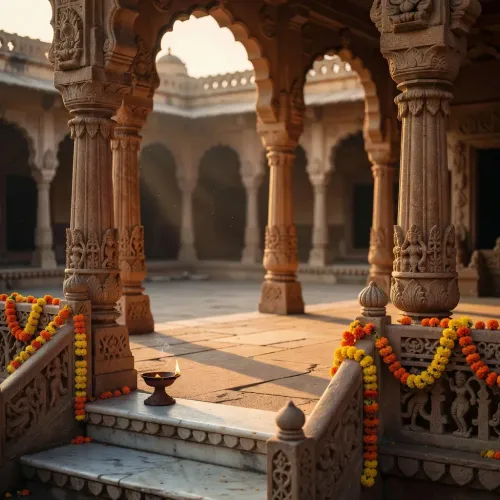
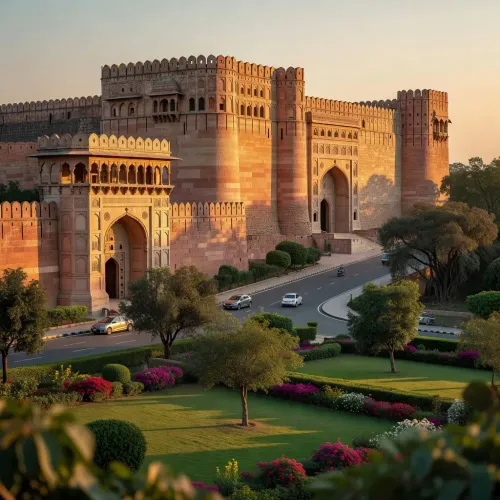
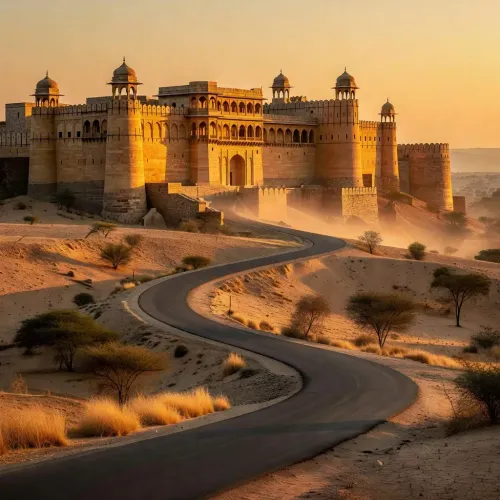
The state is no ordinary canvas for such ambitions. Rajasthan holds some of India's most spectacular built heritage, including UNESCO-listed sites such as the forts of Jaipur and Jaisalmer, along with hundreds of temples, step-wells, and royal ensembles that together make the state one of the country's top tourism draws. Conservation here is not merely a cultural gesture — it is an economic argument.
The Swadesh Darshan thread running through it all
The policy lineage dates to the central government's Swadesh Darshan scheme, launched in 2014-15, which developed themed heritage tourism circuits across Rajasthan and other states. That scheme established the template the BJP has since used consistently: frame infrastructure and cultural restoration not as competing priorities but as a unified development story.
Chief Minister Bhajanlal Sharma, in office since December 2023, has aligned the state's agenda tightly with New Delhi's cultural priorities, making Rajasthan a visible showcase for this dual-track approach.
A pattern that travels across BJP-governed states
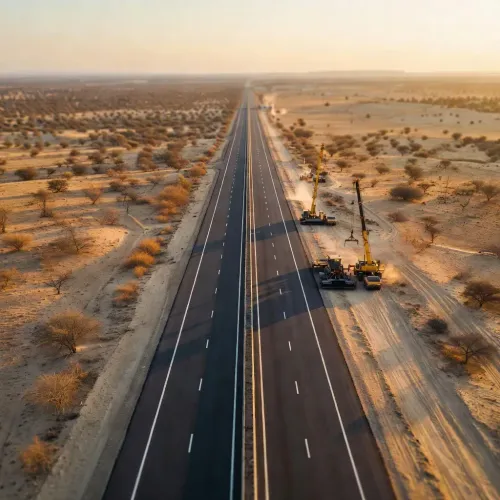
The post is part of a broader, deliberate communication strategy. Across BJP-led states, heritage projects — temple restoration, fort upkeep, pilgrimage-circuit upgrades — routinely run in parallel with road and infrastructure expansion, and both are presented under a single developmental umbrella. The Rajasthan CMO's message fits that pattern precisely, reinforcing it ahead of what observers will watch closely: state budget allocations and potential central scheme expansions for heritage sites in the next fiscal cycle.
The monuments may be centuries old, but the politics around them are very much alive — and Rajasthan's government wants voters to know exactly who is tending to both.
Point of View
A state with unrivalled heritage assets and a tourism economy tied to them, the CMO is simultaneously projecting governmental competence and cultural fidelity. With the state budget cycle approaching, the message also lays political groundwork for anticipated announcements on heritage funding. The consistency of this messaging across BJP-ruled states suggests central coordination, not spontaneous sentiment.
NationPress
21 Oct 2026
Frequently Asked Questions
What did the Rajasthan CMO post about on October 21, 2026?
The Rajasthan Chief Minister's Office credited Prime Minister Narendra Modi's leadership for what it called a 'historic effort' in conserving and promoting India's cultural heritage alongside development, tagging CM Bhajanlal Sharma in the post.
What is the Swadesh Darshan scheme and how does it relate to Rajasthan?
The Swadesh Darshan scheme, launched by the central government in 2014-15, funds themed heritage tourism circuits across India, including in Rajasthan, making it a foundational policy behind ongoing heritage tourism development in the state.
Which UNESCO heritage sites are located in Rajasthan?
Rajasthan is home to several UNESCO-listed heritage sites, including the historic forts of Jaipur and Jaisalmer, which are central to the state's cultural identity and tourism economy.
Who is Bhajanlal Sharma and what is his role in Rajasthan?
Bhajanlal Sharma is the BJP Chief Minister of Rajasthan since December 2023, aligning the state's policies closely with the central government's development and cultural preservation priorities.
Why does the BJP link development with cultural heritage preservation?
The BJP has consistently framed infrastructure development and cultural conservation as complementary goals — a strategy visible across BJP-governed states, where heritage restoration projects run parallel to infrastructure expansion under a unified governance narrative.