CM Nitish Kumar Vows to Bring Development to Bihar's Last Person
Synopsis
The Chief Minister's Office of Bihar on 16 June 2026 quoted CM Nitish Kumar reaffirming the state government's resolve to carry development to society's most marginalised and to strengthen basic infrastructure in rural and remote areas — echoing Bihar's long-standing Antyodaya-framed governance agenda.
Key Takeaways
The Chief Minister's Office of Bihar posted the statement on 16 June 2026 , quoting Nitish Kumar directly.
The CM declared the state government 'fully committed' to reaching the last person in society with the benefits of development.
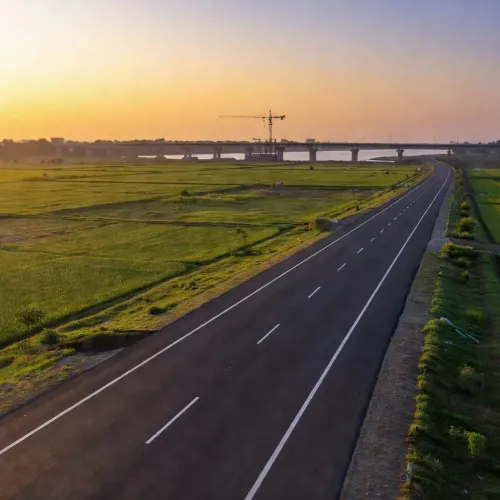
The pledge specifically targets rural and remote areas for strengthened basic facilities including roads, power, and water.
The statement echoes Bihar's post- 2005 governance focus on inclusive, last-mile infrastructure delivery.
Key schemes in focus include rural connectivity and water-supply missions co-funded by the central and state governments .
Budget allocations and mid-term scheme reviews will be the next indicators of how this commitment is operationalised.
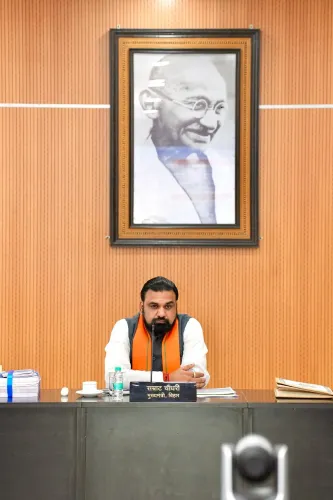
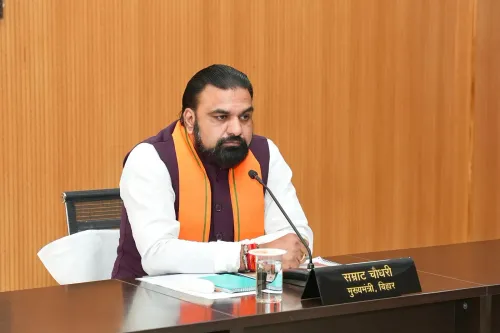
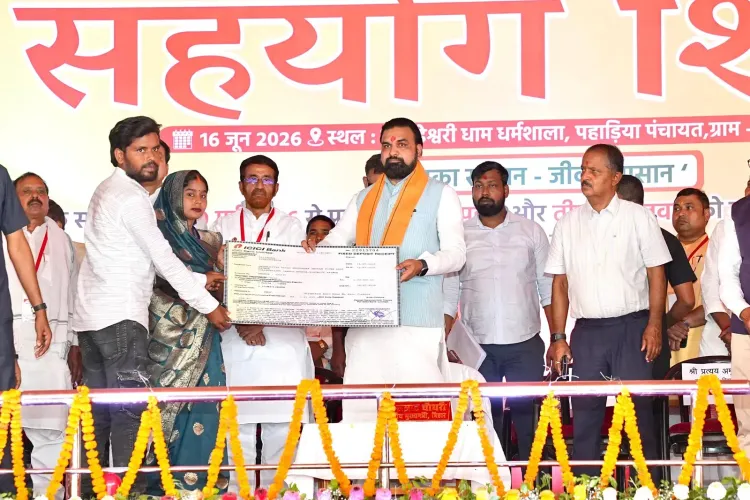
The Chief Minister's Office of Bihar shared a statement on Tuesday, 16 June 2026, quoting Chief Minister Nitish Kumar reaffirming his government's commitment to extending the benefits of development to the most marginalised sections of society and strengthening basic infrastructure in rural and remote areas of the state.
The post quoted the Chief Minister as saying: 'Rajya sarkar vikas ki roshni samaj ke antim vyakti tak pahunchane tatha gramin evam doorasth kshetron mein aadhaarbhoot suvidhaon ko sudridh karne ke liye purnatah sankalpbadh hai' — meaning, 'The state government is fully committed to taking the light of development to the last person in society and to strengthening basic facilities in rural and remote areas.'
Context
The statement draws on the Gandhian and constitutional principle of Antyodaya — reaching the last person in the social order — which has been a recurring rhetorical and policy anchor for the Government of Bihar. Chief Minister Nitish Kumar, who has led the state across multiple terms since 2005, has consistently framed governance around inclusive delivery and bridging the urban-rural divide.
Bihar, one of India's most populous and historically under-served states, has long grappled with deficits in road connectivity, electrification, drinking water access, and sanitation in its hinterland districts. Closing these gaps has been central to successive state budgets and flagship schemes.
Policy Backdrop
Since 2005, the Government of Bihar has launched multiple drives targeting rural connectivity, including village road construction programmes aligned with central schemes, rural electrification pushes, and piped water supply missions. These initiatives have been periodically reviewed and expanded through mid-term budget revisions.
The emphasis on 'aadhaarbhoot suvidhaen' (basic facilities) in the Chief Minister's statement aligns with Bihar's broader participation in centrally-sponsored schemes such as the Pradhan Mantri Gram Sadak Yojana and the Jal Jeevan Mission, both of which target last-mile delivery in remote habitations. State-level co-funding and implementation capacity have been critical determinants of progress on these fronts.
Stakeholders and Impact
The communities most directly addressed by this commitment are rural and remote residents of Bihar — smallholder farmers, daily-wage workers, women, and elderly populations in villages that remain disconnected from mainstream economic and civic infrastructure. For these groups, access to roads, electricity, and clean water translates directly into livelihood security and health outcomes.
Local panchayat bodies and district administrations are the primary implementation machinery. Civil society organisations and self-help groups working in Bihar's hinterland districts also have a stake in how swiftly and equitably these commitments are converted into on-ground projects and budget releases.
What's Next
Observers will watch the Government of Bihar's upcoming budget allocations and scheme-implementation reviews to assess whether this renewed pledge translates into enhanced outlays for rural roads, power infrastructure, and water supply projects. Mid-term progress reports on existing missions will serve as the earliest indicators of follow-through.
The statement sets a political benchmark against which the administration's rural-development record will be measured heading into future electoral cycles, making transparency in scheme delivery increasingly important for the government's credibility with rural constituencies.
Point of View
A frame that resonates with Bihar's large marginalised rural electorate and signals continuity of purpose ahead of future electoral tests. However, the gap between rhetorical commitment and scheme-level outcomes — particularly in the most remote districts — remains a persistent vulnerability for the administration. The statement's timing and the absence of specific targets suggest this is as much a political signal as a policy announcement, and its credibility will depend on measurable progress in state budget outlays and on-ground infrastructure delivery.
NationPress
18 Sept 2026
Frequently Asked Questions
What did Bihar CM Nitish Kumar say about rural development on 16 June 2026?
Chief Minister Nitish Kumar stated that the Bihar state government is fully committed to bringing development to the last person in society and to strengthening basic facilities in rural and remote areas of the state.
What does 'Antyodaya' mean in the context of Bihar's development policy?
Antyodaya is a Gandhian and constitutional principle meaning 'upliftment of the last person.' Bihar's government has used it as a policy framework to prioritise delivery of roads, electricity, water, and other basic services to the poorest and most isolated communities.
Which schemes is the Bihar government using to improve rural infrastructure?
Bihar participates in centrally-sponsored schemes such as the Pradhan Mantri Gram Sadak Yojana for rural roads and the Jal Jeevan Mission for piped drinking water, alongside state-funded infrastructure programmes targeting remote habitations.
How long has Nitish Kumar been Chief Minister of Bihar?
Nitish Kumar first became Chief Minister of Bihar in 2005 and has served across multiple terms since then, making rural infrastructure and inclusive governance central planks of his administration.
What should I watch to see if Bihar follows through on this rural development pledge?
Track the Bihar state government's budget allocations for rural roads, electrification, and water supply, as well as mid-term reviews of scheme implementation in remote districts — these will be the earliest concrete indicators of follow-through on the Chief Minister's commitment.