Bihar CM Office: Youth Central to Building a Prosperous Bihar
Synopsis
The Chief Minister's Office of Bihar shared remarks on 2 August 2026 stating that the new generation is the most critical force in building a developed, prosperous and self-reliant Bihar — a theme central to CM Nitish Kumar's governance since 2005.
Key Takeaways
The Chief Minister's Office of Bihar posted on 2 August 2026 quoting a speech on youth and state development.
The speech stated that the new generation holds the most important role in building a developed Bihar.
It directly linked Bihar's prosperity and self-reliance to the advancement of its youth.
CM Nitish Kumar has championed youth-focused education and skill initiatives since taking office in 2005 .
Bihar's young demographic profile makes youth policy central to the state's economic future and its goal of reducing outmigration.
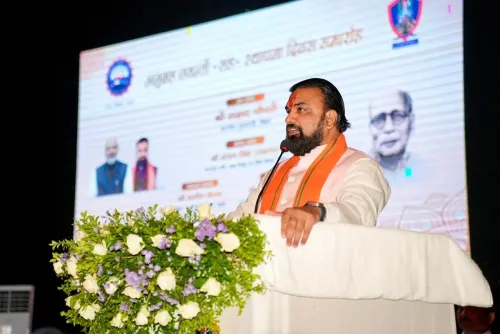
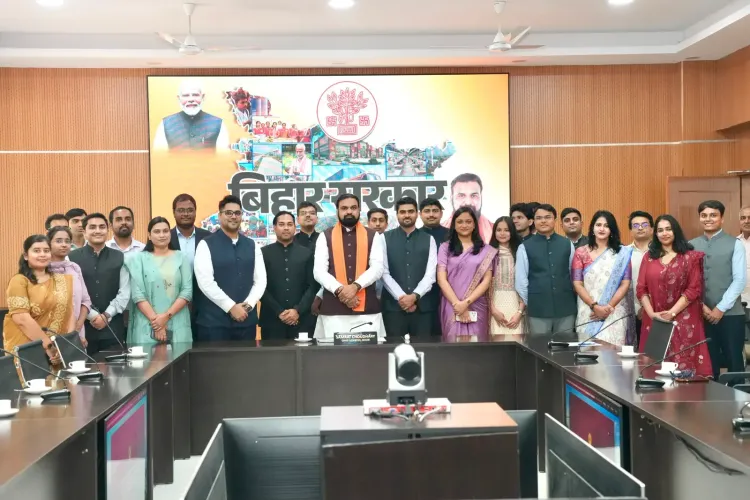
The future of Bihar, according to its government, runs through its young people. The Chief Minister's Office of Bihar shared remarks on Sunday, 2 August 2026, underscoring that the new generation holds the most critical role in building a developed Bihar — and that the state's prosperity is directly tied to how far its youth can go.
The post quoted a speech in which the speaker stated: 'The role of the new generation is most important in building a developed Bihar. The more Bihar's youth advance, the more prosperous, empowered and self-reliant the state will become.'
A Recurring Conviction in Bihar's Governance
Chief Minister Nitish Kumar, who has led Bihar across multiple terms since 2005, has consistently placed youth development at the centre of the state's growth narrative. After taking office, his administration launched a wave of education and skill-building initiatives aimed at converting Bihar's young demographic into an engine of economic progress — a state once synonymous with outmigration and underdevelopment.
The framing of youth as the cornerstone of Viksit Bihar ('Developed Bihar') is not new, but it carries renewed weight as the state competes to improve its human development indices and retain talent within its borders. Bihar has one of the youngest population profiles in India — a demographic dividend that remains largely unrealised without sustained investment in education, skill development and employment.
Why the Demographic Stakes Are High
Bihar's youth bulge is both its greatest opportunity and its most pressing challenge. The state has historically seen large-scale migration of working-age youth to other states, a trend that drains local productivity and suppresses domestic economic activity. Successive governments have attempted to reverse this through entrepreneurship schemes, vocational training, and higher education expansion — with mixed results.
The language of atmanirbhar ('self-reliant') Bihar echoes the national 'Atmanirbhar Bharat' framework, signalling alignment between state ambitions and the broader federal development agenda. Whether that alignment translates into fresh budget allocations or expanded scheme rollouts will be the real measure of this commitment.
Bihar's youth are not waiting for permission to lead — the question is whether the policy architecture rises to meet them.
Point of View
Who has governed Bihar for most of the past two decades, reiterating this theme reinforces a governance identity built on incremental institution-building rather than ideological confrontation. The real test, however, lies in whether upcoming budgets and scheme rollouts deliver concrete pathways for Bihar's youth, or whether the rhetoric outpaces the policy. In a state where youth outmigration remains structurally embedded, the gap between aspiration and action is the political story worth watching.
NationPress
17 Sept 2026
Frequently Asked Questions
What did the Bihar CM Office say about youth on 2 August 2026?
The Bihar CM Office quoted a speech stating that the new generation plays the most important role in building a developed Bihar, and that the state's prosperity and self-reliance depend directly on how far its youth advance.
What is Viksit Bihar?
'Viksit Bihar' means 'Developed Bihar' and refers to the state government's long-running vision of transforming Bihar into a prosperous, self-reliant state through governance, infrastructure and human development.
What has Nitish Kumar done for Bihar's youth?
Since 2005, CM Nitish Kumar's government has launched education expansion programmes, skill development schemes and vocational training initiatives aimed at improving literacy, employability and economic participation among Bihar's youth.
Why is youth development important for Bihar?
Bihar has one of the youngest population profiles in India, making its youth demographic a major potential economic driver. However, large-scale youth outmigration has historically limited the state's growth, making youth retention and empowerment a critical policy priority.
What does 'atmanirbhar Bihar' mean?
'Atmanirbhar Bihar' means 'self-reliant Bihar' and reflects the state government's goal of reducing economic dependence and building internal capacity — language that also aligns with the national 'Atmanirbhar Bharat' development framework.