US held secret Iran talks with China, Russia at G20, Bessent reveals
Synopsis
On the sidelines of the G20 finance ministers’ meeting in Asheville, the US quietly lobbied China and Russia on Iran — and got agreement in principle on keeping the Strait of Hormuz open, but no concrete commitments. With China sourcing 50% of its energy from the Gulf, Washington is betting Beijing’s self-interest will do the diplomatic heavy lifting.
Key Takeaways
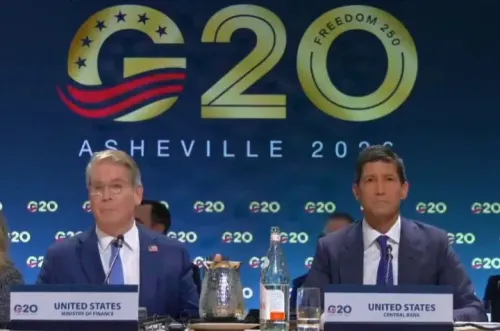
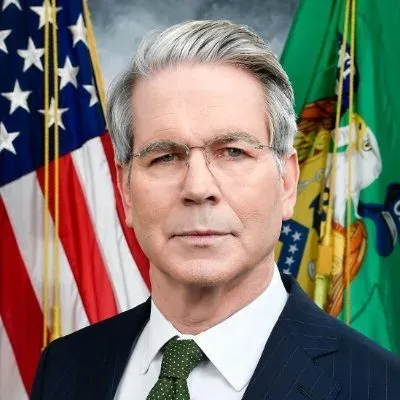
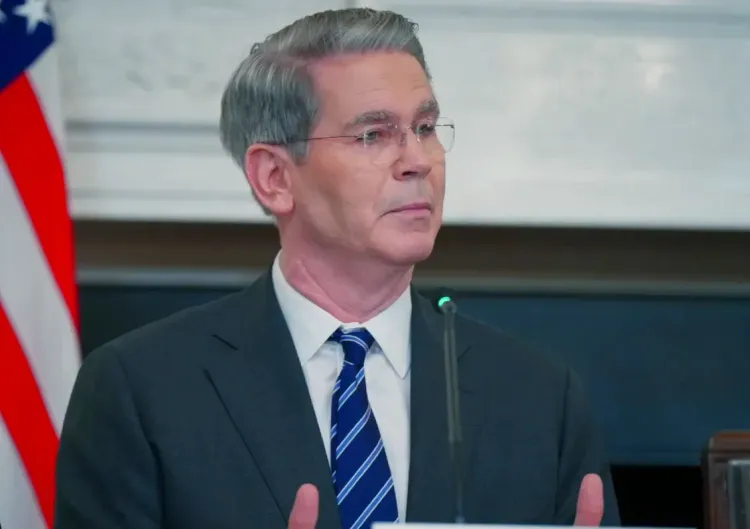
Treasury Secretary Scott Bessent confirmed the US held discreet talks with China and Russia about Iran at the G20 meeting in Asheville, North Carolina on 2 September .
China agreed that Iran cannot have a nuclear weapon and that the Strait of Hormuz must remain open, but made no specific commitment on steps to reopen it.
China sources approximately 50 per cent of its energy from the Gulf , giving it a direct economic stake in restoring free navigation.
Several unnamed US allies offered intelligence sharing and outreach to entities supporting the Iranian government, though no secondary-sanctions commitments were announced.
China objected to the G20 chair’s statement on the Strait of Hormuz , as well as sections on global economic imbalances, IMF surveillance, and sovereign debt.
Treasury Secretary Scott Bessent disclosed on 2 September that the United States held discreet back-channel discussions with China and Russia about Iran on the sidelines of the G20 finance ministers' meeting in Asheville, North Carolina. Bessent cautioned, however, that Beijing made no specific commitment to help reopen the Strait of Hormuz, leaving the scope of any emerging consensus unclear.
What Bessent Said
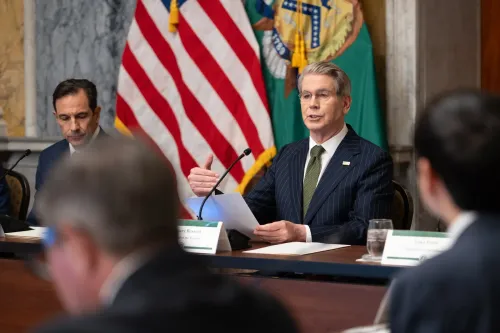
Speaking to reporters after the two-day meeting, Bessent confirmed that Washington believed the preliminary exchanges could be built upon. “We’ve had very quiet conversations with Russia and China, and I think we can move that discussion forward,” he said.
The Treasury secretary pointed to areas of shared interest between Washington and Beijing despite their broader economic and strategic rivalry. “As I said with China on Iran, we have more in common than we have differences,” Bessent said, adding that China concurred both that Iran cannot be permitted to acquire a nuclear weapon and that free maritime trade through the Strait of Hormuz must be maintained.
China’s Energy Stakes in the Gulf
Bessent underscored Beijing’s direct economic incentive to act, noting that China sources roughly 50 per cent of its energy from the Gulf. “So I believe it’s up to China or incumbent upon China to work toward a solution,” he said. “We will see how they follow through.”
He later clarified that the talks had not produced a formal US-China agreement on concrete steps. “No, I didn’t say that there was a specific agreement. I said we agreed that the strait must be open,” he said when pressed on whether Beijing had made any commitments. The distinction left open the critical question of whether China would deploy its diplomatic and economic leverage over Tehran or participate in measures to restore maritime traffic.
Allied Support for Washington’s Iran Campaign
Bessent also revealed that several unnamed US allies had pledged assistance for Washington’s economic campaign against Iran, though he stopped short of identifying the countries or announcing concrete secondary-sanctions commitments. “What I can tell you is that many of our allies came forward and said we will do whatever is necessary,” he said.
The assistance reportedly on offer includes intelligence sharing, economic intelligence, and direct outreach to entities that support the Iranian government. “They have offered to do whatever they could, whether it is intelligence, economic intelligence, and speaking to any entity that supports this treacherous, evil regime,” Bessent said.
G20 Statement and China’s Objections
The G20 chair’s statement issued after the meeting explicitly addressed the Strait of Hormuz, declaring that free, safe, and predictable navigation of the waterway was essential to sustaining durable global growth. China objected to that paragraph, as well as sections covering global economic imbalances, IMF surveillance, and sovereign debt. The remaining G20 members present supported the statement.
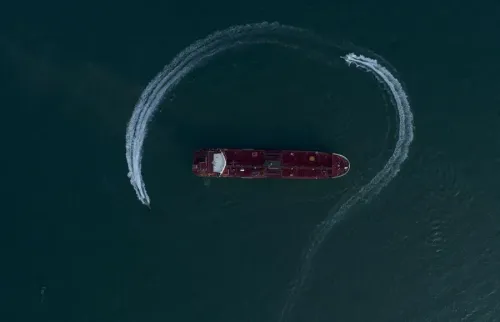
Notably, the Strait of Hormuz is one of the world’s most critical energy chokepoints, linking the Persian Gulf with the Gulf of Oman and the Arabian Sea, and carrying oil and liquefied natural gas from Gulf producers to major markets, particularly in Asia. Both China and Russia maintain extensive economic and political ties with Iran, giving them potential leverage that Washington is now actively seeking to harness.
Point of View
Even as it privately voiced agreement, is a telling contradiction that mainstream coverage has glossed over. Washington is essentially asking China to constrain a major energy partner; the 50% Gulf dependency argument is real, but so is Beijing’s long-standing preference for strategic ambiguity over binding commitments.
NationPress
17 Oct 2026
Frequently Asked Questions
What did the US discuss with China and Russia about Iran at the G20?
Treasury Secretary Scott Bessent said the US held quiet discussions with China and Russia about Iran on the sidelines of the G20 finance ministers’ meeting in Asheville on 2 September. The talks focused on building international support for Washington’s economic campaign against Tehran and on keeping the Strait of Hormuz open for free maritime trade.
Did China commit to helping reopen the Strait of Hormuz?
No. Bessent explicitly clarified that the talks produced no specific US-China agreement on steps to reopen the strait. China agreed in principle that the waterway must remain open, but made no concrete commitment on how it would act.
Why does the US believe China has an interest in the Strait of Hormuz?
Bessent cited China’s heavy energy dependence on the Gulf, noting that Beijing sources roughly 50 per cent of its energy from the region. He argued this gave China a direct economic incentive to work toward restoring unrestricted navigation through the strait.
What support did US allies offer for the Iran campaign?
Several unnamed US allies offered intelligence sharing, economic intelligence, and outreach to entities supporting the Iranian government, according to Bessent. He did not identify the countries or announce any concrete secondary-sanctions commitments.
What was China’s position on the G20 chair’s statement about the Strait of Hormuz?
China objected to the paragraph in the G20 chair’s statement that declared free and safe navigation of the Strait of Hormuz essential to global growth. It also objected to sections on global economic imbalances, IMF surveillance, and sovereign debt. All other G20 members present supported the statement.