G20 Asheville: US pushes tariffs, flags Iran Hormuz risk to global economy
Synopsis
The Trump administration turned the G20 Finance Ministers' meeting in Asheville into a dual-front offensive: pressing reciprocal tariffs as legitimate trade policy while sounding the alarm on Iran's Strait of Hormuz closure as a live threat to global energy security. With Fed Chair Warsh declaring 'secular stagnation is over' and private-sector executives in the room, Washington is rewriting the G20 playbook.
Key Takeaways
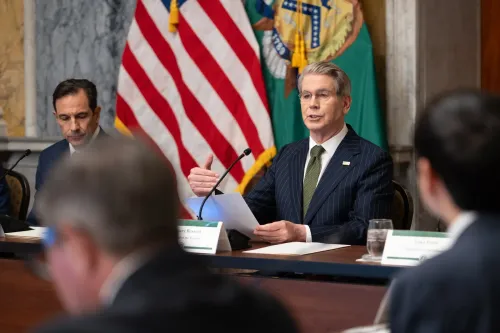
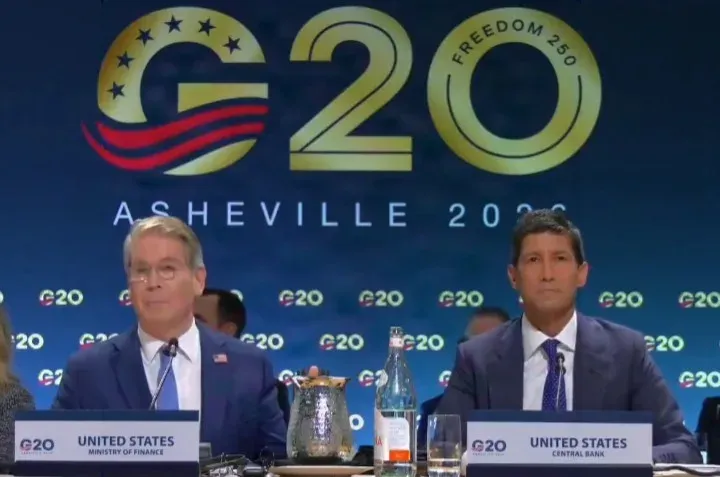
The Trump administration used the G20 Finance Ministers meeting in Asheville on 1 September to push reciprocal tariffs, growth, and regulatory reform.
Iran's closure of the Strait of Hormuz was flagged by multiple countries as a risk to global energy security and economic stability.
Federal Reserve Chairman Kevin Warsh declared 'secular stagnation is over' at the plenary session.
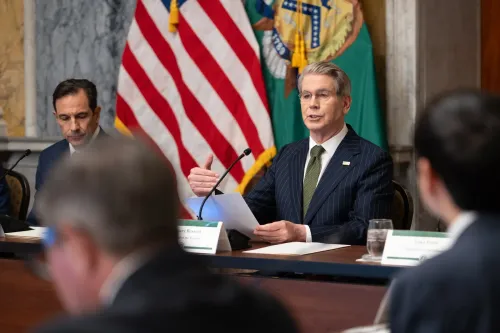
Treasury Secretary Scott Bessent insisted 'America first does not mean America alone,' seeking to reassure G20 partners.
Private-sector executives were brought into G20 discussions, covering AI , digital assets, and barriers to investment.
Post- 2008 banking regulations came under scrutiny, with the US citing three major bank failures in 2023 despite tighter rules.
The Trump administration used the G20 Finance Ministers meeting in Asheville, North Carolina on 1 September to advance an agenda centred on stronger economic growth, reciprocal tariffs, and regulatory reform — while raising alarms that Iran's closure of the Strait of Hormuz poses a direct threat to global energy security and economic stability. The gathering, hosted in a city still rebuilding from Hurricane Helene, underscored both the domestic and international dimensions of Washington's economic posture.
Growth and the 'America First' Framework
Erin Browne, US Treasury Under Secretary for International Affairs, said discussions opened with a review of current economic conditions and the global growth outlook. Treasury Secretary Scott Bessent framed Asheville's recovery from Hurricane Helene as a symbol of renewal, calling it 'the comeback city.' The administration presented sustained growth as the cornerstone of both its domestic programme and its G20 agenda.
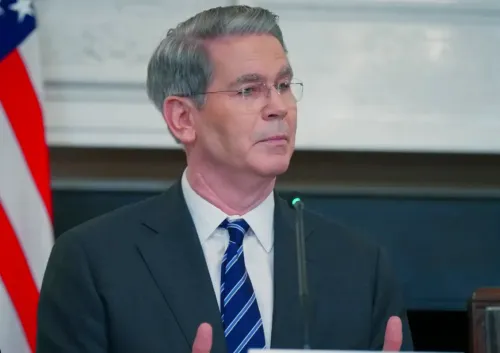
Federal Reserve Chairman Kevin Warsh told the plenary session that 'secular stagnation is over,' according to the official readout — a notably bullish signal from the Fed chief at a multilateral forum. Several G20 members, particularly European nations, echoed the growth-first theme by outlining their own regulatory streamlining efforts.
Iran's Strait of Hormuz Closure Raises Energy Alarm
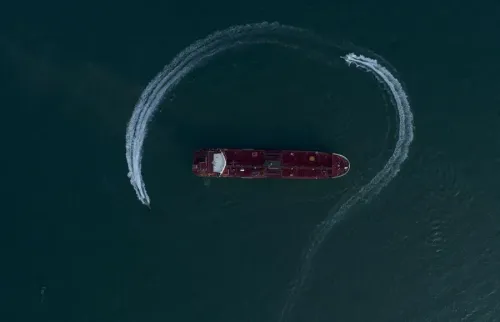
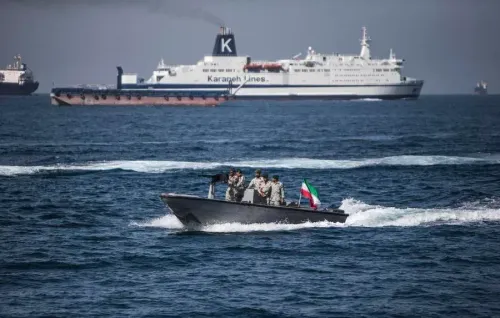
The Strait of Hormuz — through which roughly 20% of global oil trade passes — emerged as a significant flashpoint in the talks. Multiple G20 countries reportedly raised concerns about the economic consequences of Iran's closure of the waterway. Browne said the administration is 'focused on reopening the waterway,' pursuing a diplomatic outcome that blocks Iran from acquiring a nuclear weapon and safeguards global energy supply chains.
'It remains our ultimate objective to ensure that Iran never acquires a nuclear weapon,' Browne said, adding that achieving this goal would reduce long-term economic and market volatility. This comes amid broader geopolitical tensions that have already rattled oil markets in recent weeks.
Tariffs and Trade Imbalances Take Centre Stage
Trade friction was another defining theme. The United States used a dedicated G20 session to challenge what it described as unfair trading practices by partner nations. Browne stated plainly: 'We are no longer tolerating other countries' unfair trading practices.'
The administration defended its use of reciprocal and sectoral tariffs as tools to make trade relationships 'more fair and more balanced,' pairing them with tax incentives for investment, expanded domestic energy production, and spending discipline to bolster US output and national savings. Bessent sought to reassure allies that the approach was not isolationist: 'America first does not mean America alone — it means stronger partnerships built on a stronger America,' Browne recounted.
Private Sector and AI in the Room
In a departure from standard G20 format, the Trump administration invited private-sector executives to engage directly with senior policymakers. Discussions covered barriers to investment, innovation, and productivity. Executives highlighted the role of artificial intelligence in manufacturing and healthcare, along with innovation in digital assets.
Conditions identified as critical for growth included competitive tax systems, business-friendly regulations, lower operating costs, and a skilled workforce. 'The private sector doesn't just participate in growth, it creates it,' Browne said.
Small Bank Regulation Under Review
The meeting also examined the impact of post-2008 global financial crisis regulations on smaller US banks. The administration argued that tighter rules had reduced the number of community and small banks without preventing three major American bank failures in 2023, signalling appetite for regulatory recalibration in the banking sector.
With the G20 summit proper still ahead, the Asheville ministerial sets up a pointed contest between Washington's growth-and-tariffs doctrine and the multilateral consensus that has historically underpinned global trade rules.
Point of View
A framing that could justify unilateral US action under the banner of 'global energy security.' Bessent's 'America first does not mean America alone' line is diplomatic scaffolding — useful optics, but the tariff architecture underneath it tells a different story.
NationPress
16 Oct 2026
Frequently Asked Questions
What was discussed at the G20 Finance Ministers meeting in Asheville?
The meeting on 1 September covered global economic growth, trade imbalances, reciprocal tariffs, regulatory reform, and Iran's closure of the Strait of Hormuz. The US also brought private-sector executives into discussions on AI, digital assets, and investment barriers.
Why is Iran's closure of the Strait of Hormuz a concern for the G20?
The Strait of Hormuz is a critical global oil transit route, and its closure by Iran threatens energy supply chains and market stability worldwide. Multiple G20 countries raised concerns at the Asheville meeting, and the US said reopening it and preventing Iran from acquiring a nuclear weapon are top priorities.
What is the Trump administration's position on tariffs at the G20?
The administration defended reciprocal and sectoral tariffs as tools to make trade 'more fair and more balanced,' stating it would no longer tolerate what it considers unfair trading practices by other countries. Treasury Secretary Bessent framed this as part of a broader agenda paired with tax incentives and energy production expansion.
What did Federal Reserve Chairman Kevin Warsh say at the G20?
Fed Chair Kevin Warsh told the plenary session that 'secular stagnation is over,' signalling a bullish outlook on growth prospects. The remark came as the administration presented stronger growth as the foundation of both its domestic and G20 agenda.
Why was the G20 meeting held in Asheville, North Carolina?
Asheville was chosen partly as a symbolic gesture — the city is recovering from Hurricane Helene, which destroyed homes, roads, and businesses across western North Carolina. Treasury Secretary Bessent referenced the city's rebuilding as an example of economic renewal, calling it 'the comeback city.'