Strait of Hormuz talks with Oman 'positive', Iran says; US eyes deal
Synopsis
Iran has called its Strait of Hormuz negotiations with Oman 'positive' — even as the US Treasury Secretary said a deal to reopen the world's most critical oil chokepoint could come within 24 hours. With hundreds of ships stranded in the Gulf and commodity markets on edge, the diplomatic window is narrow but, for now, open.
Key Takeaways
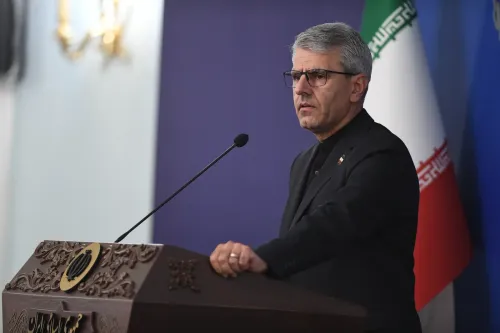
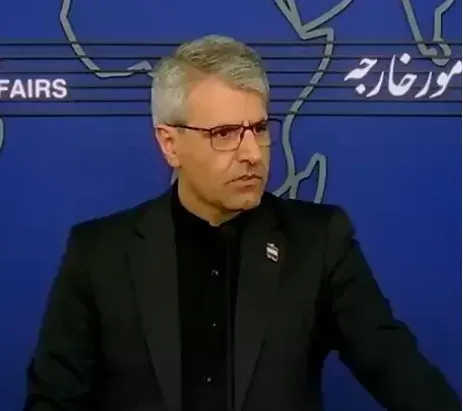
Iran's foreign ministry spokesperson Esmaeil Baqaei described talks with Oman on Strait of Hormuz shipping routes as 'positive' at both technical and political levels on 4 August .
Negotiations focus on establishing safe return corridors for ships while respecting the sovereign rights and national security of both Iran and Oman .
US Treasury Secretary Scott Bessent said a deal to reopen the strait could be reached as early as Tuesday or Wednesday , with 'freedom of movement' as the guiding principle.
US Secretary of State Marco Rubio described reopening the strait as the 'immediate deal', with Iran's denuclearisation the 'ultimate' objective.
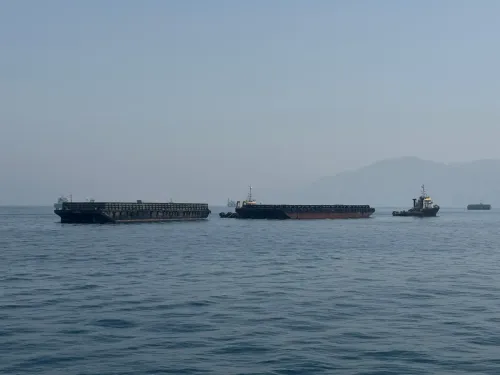
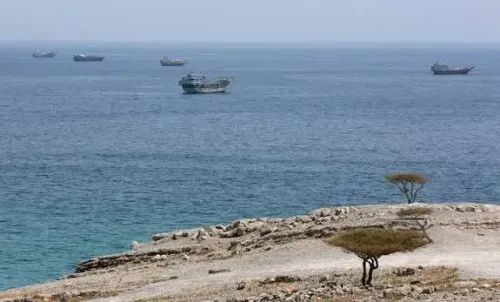
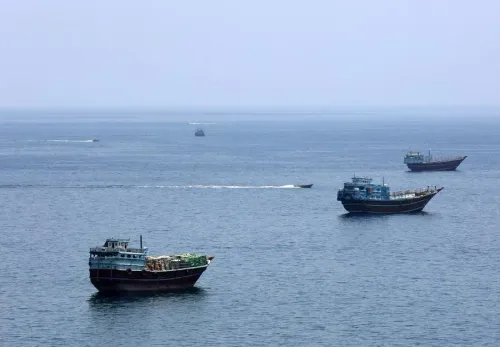
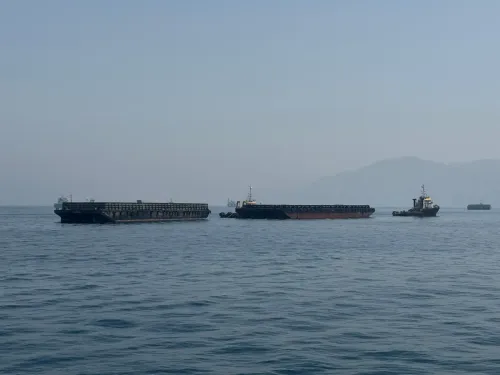
Hundreds of ships are reportedly stranded in the Gulf ; a resolution would ease pressure on energy, fertiliser, and industrial gas markets globally.
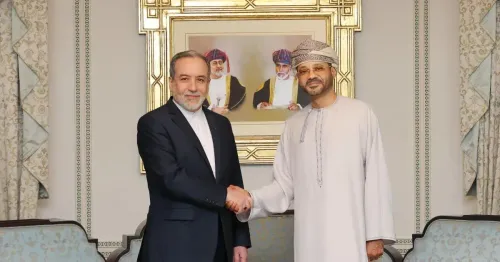
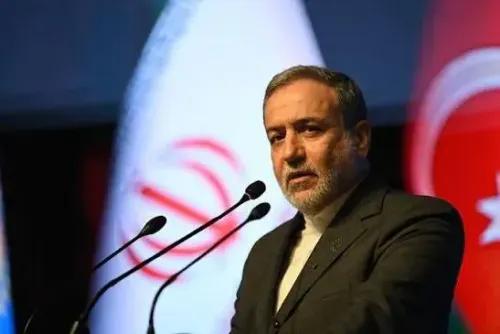
Iran's Ministry of Foreign Affairs spokesperson Esmaeil Baqaei said on Tuesday, 4 August that ongoing negotiations with Oman over safe shipping routes through the Strait of Hormuz are progressing positively at both technical and political levels. The talks focus on establishing safe return corridors for vessels while preserving the sovereign rights and national security interests of both coastal nations.
What the Talks Cover
'These negotiations are being pursued as a dialogue between the two coastal countries of the Strait of Hormuz, focusing on determining safe return routes for ships; a route that, while ensuring sovereign rights, also takes into account national security considerations of Iran and Oman,' Baqaei stated, according to Iran's Tasnim News Agency.
He added that Tehran is working with Muscat to 'develop the necessary mechanisms for future arrangements for managing shipping traffic in this strategic passage.' Final outcomes, he noted, will be announced only after the talks conclude.
US Treasury Secretary Signals Deal Could Come 'Today or Tomorrow'
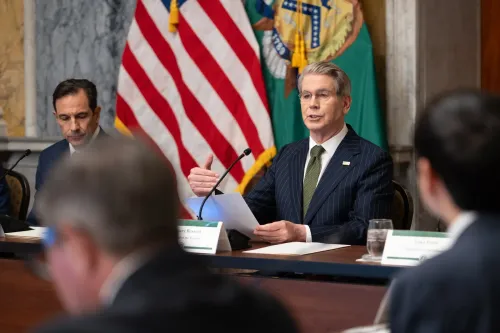
US Treasury Secretary Scott Bessent said on Tuesday that a deal to reopen the Strait of Hormuz could materialise as early as Tuesday or Wednesday. 'We are in talks with the Iranians, and I think there is a chance we may have a deal today or tomorrow to open the strait and move towards a more normalised position in this conflict,' Bessent said in a television interview.
When asked whether Iran would be permitted to levy tolls on transiting vessels, Bessent said the principle would be 'freedom of movement.' He further noted that once the hundreds of ships currently stuck in the Gulf are able to exit, prices should fall — with the impact extending beyond energy to fertilisers, refined petroleum products, and industrial gases.
Rubio: Strait Is the 'Immediate Deal', Denuclearisation the 'Ultimate' One
US Secretary of State Marco Rubio told reporters on Tuesday that while Washington views Iran's denuclearisation as its long-term objective, reopening the Strait of Hormuz is the priority right now. 'So the denuclearisation of Iran is the ultimate deal. I think the immediate deal, the one that you see a lot of focus on, is the Strait,' Rubio said.
This comes amid broader US-Iran tensions over nuclear negotiations, with the strait's closure — or the threat of it — acting as significant leverage for Tehran in any diplomatic exchange.
Why the Strait of Hormuz Matters
The Strait of Hormuz is one of the world's most critical maritime chokepoints, through which an estimated 20% of global oil supplies transit. Any disruption to shipping in the passage sends immediate ripples across energy markets, supply chains, and commodity prices worldwide. The current standoff has already reportedly left hundreds of vessels stranded in the Gulf.
With both Iran and Oman describing the bilateral track as constructive, and the United States signalling optimism about a near-term agreement, the coming days will be closely watched by energy markets and diplomatic observers alike.
Point of View
And a higher-stakes political channel with the United States. By keeping the Oman talks 'technical', Tehran retains deniability on the bigger geopolitical concessions Washington is seeking. Bessent's '24-hour deal' framing may reflect genuine optimism, or it may be pressure tactics designed to force Iran's hand before the window closes. Either way, the Strait of Hormuz has become the bargaining chip of the moment — and the gap between the 'immediate deal' Rubio describes and the denuclearisation endgame is enormous. Markets should price in the possibility that a partial shipping arrangement gets announced without resolving the deeper nuclear impasse.
NationPress
19 Sept 2026
Frequently Asked Questions
What are the Iran-Oman talks on the Strait of Hormuz about?
The talks are a bilateral dialogue between Iran and Oman focused on establishing safe return routes for ships transiting the Strait of Hormuz, while respecting the sovereign rights and national security interests of both countries. Iran's foreign ministry described the negotiations as positive at both technical and political levels as of 4 August.
Has the US said a deal on the Strait of Hormuz is close?
Yes. US Treasury Secretary Scott Bessent said on Tuesday that there is a chance a deal to reopen the Strait of Hormuz could be reached 'today or tomorrow', with the principle of freedom of movement for ships as the basis. He added that a resolution would ease prices not just in energy but also in fertilisers and industrial gases.
What is the US's broader goal beyond reopening the strait?
US Secretary of State Marco Rubio stated that while reopening the Strait of Hormuz is the 'immediate deal', the United States views the denuclearisation of Iran as its 'ultimate deal'. The two objectives are being pursued on separate but linked diplomatic tracks.
Why is the Strait of Hormuz so strategically important?
The Strait of Hormuz is one of the world's most vital maritime chokepoints, through which roughly 20% of global oil supplies pass. Any disruption affects energy prices, fertiliser supply chains, refined petroleum products, and industrial gases — making it a pressure point with global economic consequences.
When will the final outcome of the Iran-Oman talks be announced?
Iran's foreign ministry spokesperson Esmaeil Baqaei said the final results of the negotiations will be announced only after the talks have concluded. No specific timeline was given, though US officials have suggested a deal could come within days.