Trump says Iran has no clear leader after US strikes, military 'a fraction' of its strength
Synopsis
Trump's White House remarks on 1 September went further than any previous US statement — openly declaring that Iran no longer has an identifiable leader, its military is a shell, and the Strait of Hormuz is under American control. With negotiations suspended and no diplomatic endgame named, the comments signal a new and deeply uncertain phase in the US-Iran confrontation.
Key Takeaways
President Trump said on 1 September that Iran does not have a clear, identifiable leader following renewed US military strikes .
Trump described Iran as a 'failed nation' with 350 per cent inflation , no functioning currency, and a military reduced to 'a fraction' of its former strength.
The US claims to have secured the Strait of Hormuz , with an average of 30 ships per night transiting with Navy assistance.
Trump stated the central objective of the US campaign is ensuring Iran never acquires a nuclear weapon .
Trump did not define the scope or duration of the military operation, nor identify any diplomatic off-ramp.
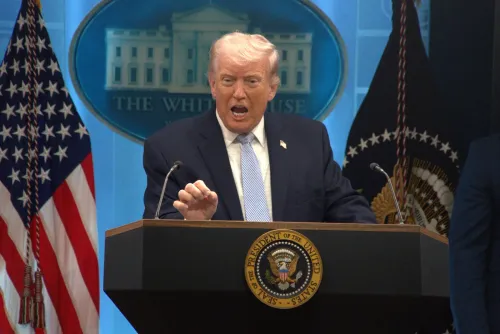
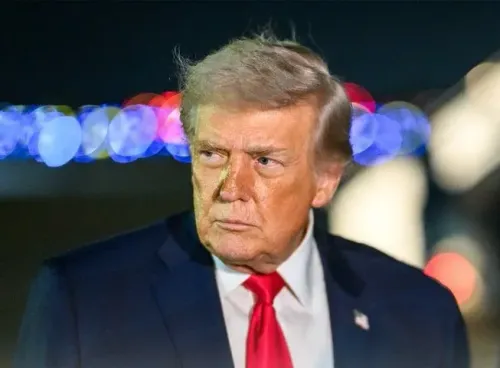
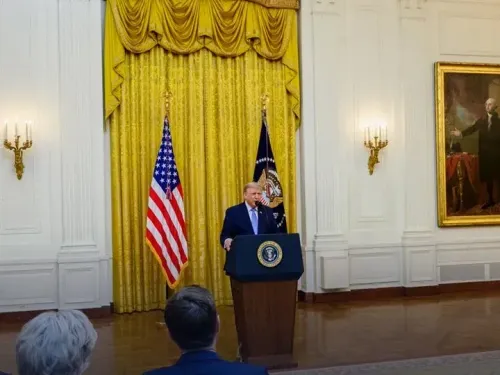
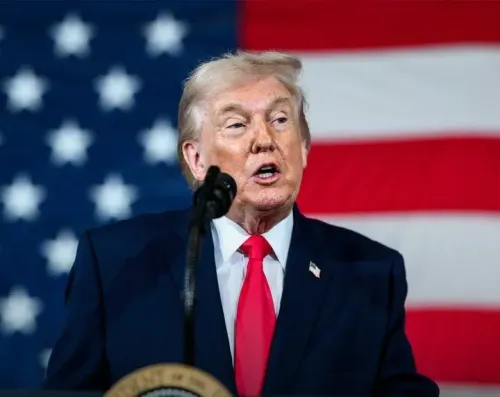
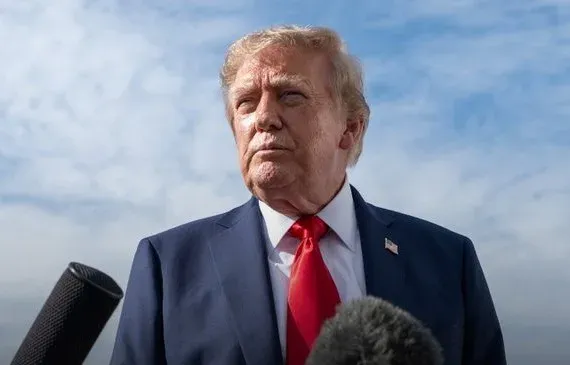
US President Donald Trump on 1 September said Iran no longer appears to have a clear, identifiable leader following renewed American military strikes, adding that Tehran's armed forces have been reduced to a fraction of their former capability. Trump made the remarks at the White House when asked who was governing Iran after negotiations were suspended and the latest round of strikes resumed.
Trump's Assessment of Iran's Leadership Vacuum
'They don't really know. In my opinion, they don't know who the leader is,' Trump said. 'You have the radicals, but they've been wiped out from the standpoint of the military, because their military is just a fraction of what it was.'
Trump did not name any individual or group that Washington believes may currently be exercising authority in Tehran, and offered no evidence to support his characterisation of Iran's political leadership. He described Iran as a 'failed nation' under severe economic and military pressure.
Iran's Condition as Described by Trump
'They've got 350 per cent inflation, they have no currency, they're not paying their soldiers, their leaders are largely dead, their navy is gone, their air force is gone, their surveillance equipment is almost entirely gone,' Trump said.
When asked whether the resumed strikes amounted to a limited campaign or a return to full-scale war, Trump did not directly define the scope or duration of the operation, saying only: 'That doesn't mean we won't smack 'em; we'll see what happens.'
Strait of Hormuz and Oil Prices
Trump said the United States had secured the Strait of Hormuz and was assisting commercial vessels through the strategically critical waterway. 'We have the Strait of Hormuz in extremely good shape. You know, we're taking over,' he said, adding that 'many, many ships got through last night with the Navy's assistance.'
The President said an average of 30 ships per night were transiting the strait, and linked that volume of oil movement to the absence of a sharper spike in international oil prices. 'That's why you haven't seen the price of oil go like they thought it might have to go,' he said.
Nuclear Weapons: The Stated Central Objective
Trump framed preventing Iran from acquiring a nuclear weapon as the primary goal of the US campaign. 'Iran will never have a nuclear weapon. See, that's what it's all about. It's not about any of the other things,' he said.
He argued that a nuclear-armed Iran would pose an existential threat to Israel, the broader Middle East, and eventually to American cities. 'If Iran had a nuclear weapon, Israel would have been wiped out,' Trump said. 'You would have no Israel right now, and you'd probably have no Middle East.'
What Comes Next
Trump's remarks leave significant ambiguity around the scope and endgame of the US military operation. With negotiations suspended and no diplomatic off-ramp publicly outlined, the situation in the region remains fluid. Analysts and allied governments are closely watching whether Washington will define clearer conditions for a ceasefire or political settlement.
Point of View
It raises urgent questions about who controls Iran's remaining nuclear infrastructure and whether any party exists to negotiate with. If overstated, it risks miscalculation by allies and adversaries alike. Notably, Trump offered no evidence and named no successor power structure, which is precisely the kind of ambiguity that historically escalates regional conflicts. The Strait of Hormuz framing — 'we're taking over' — also deserves scrutiny: asserting control over one of the world's most critical oil chokepoints is a declaration with legal and diplomatic consequences that the administration has not publicly addressed.
NationPress
16 Oct 2026
Frequently Asked Questions
What did Trump say about Iran's leadership after the US strikes?
Trump said Iran does not appear to have a clear, identifiable leader following renewed American military action, stating 'they don't really know who the leader is.' He did not name any individual or group and provided no evidence to support the claim.
What is the condition of Iran's military according to Trump?
Trump claimed Iran's military has been reduced to a fraction of its previous strength, with its navy, air force, and surveillance equipment largely destroyed. He also cited 350 per cent inflation and soldiers going unpaid as signs of a broader collapse.
Why is the Strait of Hormuz significant in this context?
The Strait of Hormuz is one of the world's most critical oil shipping lanes. Trump said the US has secured it and is helping commercial vessels transit, with an average of 30 ships passing through nightly — a volume he credited with preventing a sharper rise in global oil prices.
What is the stated US objective in its military campaign against Iran?
Trump said the central objective is preventing Iran from ever acquiring a nuclear weapon, calling it 'what it's all about.' He argued a nuclear-armed Iran would threaten Israel, the Middle East, and eventually American cities.
Has the US defined the scope or duration of its military operation against Iran?
No. When asked directly whether the strikes represented a limited campaign or full-scale war, Trump declined to define the scope or duration, saying only 'we'll see what happens.' No diplomatic conditions for ending the operation have been publicly outlined.