PM Modi highlights Sitamarhi plastic recycling drive in Mann Ki Baat
Synopsis
A Bihar district turned 4,000 kg of single-use plastic into 85 public benches — and PM Modi's Mann Ki Baat shoutout has just given the Sitamarhi model a national stage. With four processing units already running and community buy-in growing, it is one of the more tangible grassroots 'Waste to Wealth' stories to emerge from rural India.
Key Takeaways
PM Narendra Modi praised Sitamarhi's plastic recycling drive in the 136th episode of Mann Ki Baat on 26 July .
The district runs four Plastic Waste Management Units , with the primary hub at Bajpatti .
Each recycled bench uses approximately 40 kg of single-use plastic; 85 benches have been produced from 4,000 kg of plastic so far.
In one documented phase, 8,000 kg of plastic was collected from four blocks: Dumra, Riga, Bajpatti, and Runnisaidpur .
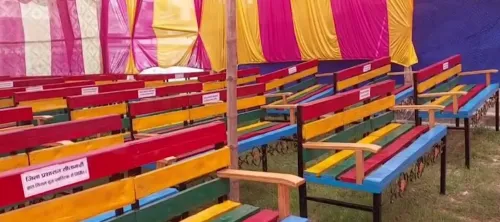
Finished benches are being installed in government schools, parks, and public spaces across the district.
Local officials say community participation and support from elected representatives have been critical to the initiative's reach.
Prime Minister Narendra Modi spotlighted Sitamarhi district's single-use plastic recycling initiative during the 136th episode of Mann Ki Baat on Sunday, 26 July, drawing national attention to a grassroots 'Waste to Wealth' model in Bihar that transforms discarded plastic into durable public furniture. Local officials say the programme is already reshaping waste management across the district's panchayats.
How the Initiative Works
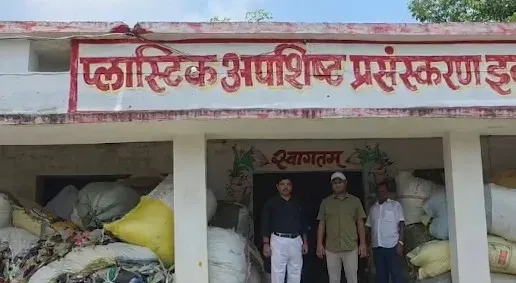
At the heart of the operation is the Plastic Waste Management Unit (PWMU) at Bajpatti, which functions as the district's primary processing hub. District Manager Raghav Jha said the unit is linked to three or four surrounding blocks and is one of four such facilities operating across Sitamarhi. 'Plastic collected from different blocks and nearby collection centres is brought here for processing,' Jha said.
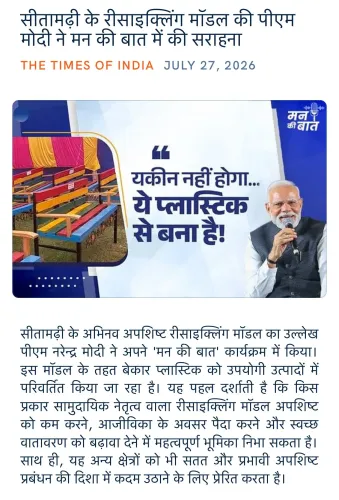
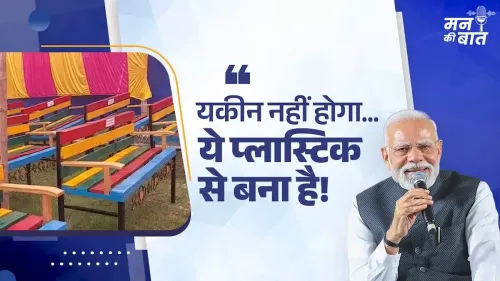
The collected plastic is cleaned, sorted, and moulded into benches. Each bench consumes approximately 40 kilograms of single-use plastic and is designed to be durable, attractive, and eco-friendly. The finished products are installed in government schools, parks, and public spaces across the district.
Scale and Impact So Far
In one documented phase of the programme, roughly 8,000 kg of single-use plastic was collected from four blocks — Dumra, Riga, Bajpatti, and Runnisaidpur. Of that, 4,000 kg was recycled into 85 benches. Officials say the remaining material is being processed in subsequent batches.
Ward member Devendra Sah noted a visible shift in local waste habits: 'Earlier, garbage was dumped indiscriminately. Now, plastic waste is collected, segregated and brought here for processing. It is then recycled into useful products, such as chairs, which are installed at various locations across the Panchayat,' he said.
What PM Modi Said
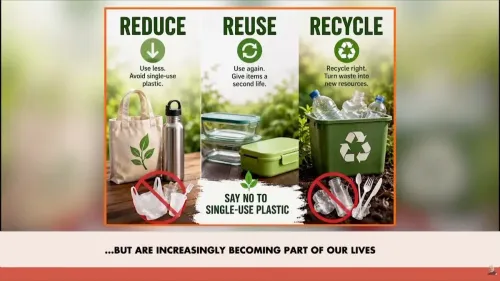
During his Mann Ki Baat address, Modi framed the Sitamarhi model as proof that the principles of Reduce, Reuse and Recycle are moving beyond sloganeering into daily practice. 'Children are learning that the plastic they once discarded as waste can, through technology and proper management, become a valuable community asset,' he said. He also credited the district administration for partnering with local units to drive the effort.
Community and Official Response
Mukhiya representative Ranjit Singh described the drive as an important step for environmental protection, pointing to the conversion of throwaway plastic into benches and other items. Sarpanch representative Anwarul Haq said the Prime Minister's public endorsement would encourage broader community participation. Jha added that local elected representatives have provided consistent support, helping sustain collection networks across the district.
With national visibility now secured through Mann Ki Baat, observers expect the Sitamarhi model to be studied by other districts looking to scale grassroots plastic recycling without heavy infrastructure investment.
Point of View
But Mann Ki Baat visibility is a double-edged signal — it can accelerate replication or reduce a functional local model to a photo-op. The numbers so far (85 benches from 4,000 kg of plastic) are modest relative to the district's total plastic waste load, and the programme's long-term viability depends on whether collection networks hold without sustained administrative pressure. India has no shortage of recycling pilots that peaked at the moment of political attention and stalled thereafter. The real test for Sitamarhi is what the throughput looks like six months after the cameras leave.
NationPress
26 Oct 2026
Frequently Asked Questions
What is the Sitamarhi plastic recycling initiative praised by PM Modi?
It is a district-level 'Waste to Wealth' programme in Sitamarhi, Bihar, where single-use plastic waste is collected, processed at dedicated units, and moulded into durable benches installed in schools, parks, and public spaces. PM Modi highlighted the initiative during the 136th episode of Mann Ki Baat on 26 July.
How much plastic has been recycled under the Sitamarhi initiative?
In one documented phase, 8,000 kg of single-use plastic was collected from four blocks — Dumra, Riga, Bajpatti, and Runnisaidpur. Of that, 4,000 kg was recycled into 85 benches, with each bench consuming approximately 40 kg of plastic.
How many Plastic Waste Management Units are operating in Sitamarhi?
Four Plastic Waste Management Units (PWMUs) are currently operating across Sitamarhi district. The primary processing hub is located at Bajpatti and is connected to collection centres across three or four surrounding blocks.
Where are the recycled plastic benches being installed?
The benches produced from recycled single-use plastic are being installed in government schools, parks, and other public spaces across Sitamarhi's panchayats.
Why did PM Modi mention the Sitamarhi initiative in Mann Ki Baat?
Modi cited the Sitamarhi model as a practical example of the Reduce, Reuse and Recycle principles in action, arguing that it demonstrates how community-level waste management can convert discarded plastic into useful public assets and build environmental awareness among children and citizens.