Kumartuli Ghat Kolkata revived by SMPA and Adani Ports in heritage overhaul

Synopsis
Kolkata's storied Kumartuli Ghat, neglected for decades, has been reborn as an inclusive cultural hub on the Hooghly riverfront — complete with ritual platforms, artisan spaces, and a restored 1905 heritage facade. The SMPA-Adani Ports collaboration draws on UNESCO guidelines and is being positioned as a replicable model for reviving Bengal's endangered ghat culture.
Key Takeaways
Kumartuli Ghat in Kolkata has been restored by SMPA and APSEZ (Adani Ports) after years of dilapidation.
The project drew on UNESCO guidelines, given the neighbourhood's status as part of the UNESCO Intangible Cultural Heritage of Humanity .
Architectural consultants Anjan Mitra and Saptarshi Mitra led the design, preserving a 1905 heritage facade and Grade-I monuments .
New community facilities include artisan spaces, food courts, viewing decks, plazas, and heritage-friendly illumination.
SMPA plans to use the Kumartuli Ghat restoration as a 'Best Practice' template for reviving other heritage ghats along the Hooghly .
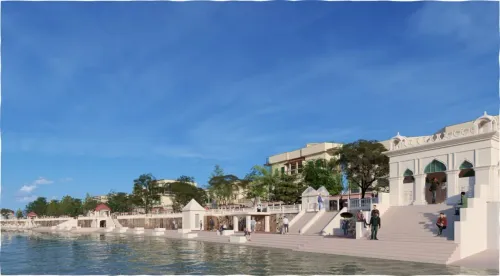
The historic Kumartuli Ghat in Kolkata, long neglected and falling into disrepair, has been comprehensively restored and transformed into a vibrant, inclusive public space through a joint initiative by the Syama Prasad Mookerjee Port Authority (SMPA) and Adani Ports and Special Economic Zone (APSEZ) Ltd. The project brings fresh life to one of the city's most culturally significant riverfront locations on the eastern bank of the River Hooghly.
The Vision Behind the Restoration
SMPA, which serves as the custodian of the Hooghly riverfront, has been undertaking the restoration of several heritage ghats across Kolkata as part of a broader citizen-centric and environmentally responsible programme. The overarching goal is to convert these ghats into multipronged cultural centres that serve residents, artisans, and visitors alike.
For the Kumartuli Ghat project specifically, SMPA and APSEZ engaged architectural consultants Anjan Mitra and Saptarshi Mitra to guide the transformation. The neighbourhood of Kumartuli is already recognised under the UNESCO Intangible Cultural Heritage of Humanity framework, and the project drew directly on UNESCO guidelines for making cities inclusive, safe, resilient, and sustainable.
What the Restoration Involved
According to an SMPA official, the project sought to 'integrate and showcase the river, beliefs, practices, rituals, festivals and daily life.' Architects worked to respect existing architectural language, building minimally and with contextual relevance rather than imposing a new aesthetic.
Interventions included appropriate restoration work around Grade-I monuments, existing temples, and a 1905 heritage facade. The indigenous ghat system was preserved and extended through the introduction of ritual platforms, while careful attention was paid to hydrology and changing water levels. A safe, pedestrianised precinct ensuring universal access to the waterfront was a central design priority.
Community facilities added as part of the project include dedicated spaces for artisans, food courts, toilets, change rooms, viewing decks, plazas, and pavilions. Public art installations celebrating local art and traditions have also been placed along the ghat. The entire intervention, including the heritage facade, has been fitted with contextually appropriate, heritage-friendly illumination.
The Cultural Significance of Kolkata's Ghats
'The Ghats of Kolkata have been an integral part of the culture of Bengal. They also have distinct cultural and religious significance, as many rituals of Hinduism take place next to the river, at the Ghats. In the last few decades their relevance has declined steadily. The ghats lost their charm because of increasing pollution in the river and its surroundings,' the SMPA official said.
Despite years of decline, the emotional and cultural bond between Kolkata's residents and its ghats has remained strong. The ghats continue to draw both locals and tourists, making their revival a matter of significant public interest.
What Comes Next
SMPA has described this restoration as a 'Best Practice' model, undertaken in collaboration with leading institutions, with plans to extend similar treatment to other heritage ghats along the Hooghly riverfront. The Kumartuli Ghat project is expected to serve as a template for future interventions, balancing conservation, accessibility, and community use in equal measure.
Point of View
But its long-term success hinges on maintenance commitments that Indian public-private urban projects have historically struggled to sustain after the ribbon-cutting moment. The UNESCO framing is useful optics, yet the real measure will be whether artisan communities — not just tourists — find the redesigned space economically viable over the next five years. SMPA's ambition to replicate this model across the Hooghly ghats is welcome, but Kolkata's riverfront has seen cosmetic upgrades before; what is missing is a governance framework that ensures local custodianship rather than top-down management. The Adani Ports involvement also warrants transparency on funding splits and long-term operational responsibilities.
NationPress
26 Oct 2026
Frequently Asked Questions
What is the Kumartuli Ghat restoration project in Kolkata?
It is a comprehensive heritage revival of the historic Kumartuli Ghat on the eastern bank of the River Hooghly, undertaken jointly by the Syama Prasad Mookerjee Port Authority (SMPA) and Adani Ports and Special Economic Zone (APSEZ) Ltd. The project has transformed the long-neglected ghat into an inclusive public cultural space featuring ritual platforms, artisan areas, food courts, and heritage-friendly lighting.
Who designed the Kumartuli Ghat restoration?
Architectural consultants Anjan Mitra and Saptarshi Mitra were engaged by SMPA and APSEZ to lead the design. Their approach focused on building minimally while respecting existing architectural language, preserving a 1905 heritage facade, and ensuring universal access to the waterfront.
What is the cultural significance of Kumartuli Ghat?
Kumartuli is part of a neighbourhood recognised under the UNESCO Intangible Cultural Heritage of Humanity framework, famous for its traditional idol-making community. The ghat itself has deep Hindu religious significance, serving as a site for riverside rituals, and remains emotionally important to Kolkata's residents despite decades of neglect.
What new facilities have been added to Kumartuli Ghat?
The restored ghat now includes dedicated spaces for artisans, food courts, toilets, change rooms, viewing decks, plazas, pavilions, and public art installations. Heritage-friendly contextual illumination has also been installed across the entire intervention and the 1905 heritage facade.
Will other Kolkata ghats be similarly restored?
Yes, SMPA has indicated that the Kumartuli Ghat project is being treated as a 'Best Practice' model, with plans to extend similar heritage restoration to other ghats along the Hooghly riverfront. The authority is the custodian of the entire Hooghly riverfront and has identified several ghats of heritage value for future intervention.