Adani Ports Launches India's First Port of Refuge to Enhance Maritime Safety
Synopsis
Adani Ports has inaugurated India's first Port of Refuge, filling a crucial void in maritime emergency infrastructure. This strategic move aims to bolster the nation's preparedness in maritime crises, ensuring the safety of vessels and the environment.
Key Takeaways
Launch of India's first Port of Refuge to address maritime emergency gaps.
Partnership with global experts from SMIT Salvage and MERC.
Improved safety measures for vessels in distress.
Strategic locations in Dighi and Gopalpur Ports.
Alignment with international maritime safety standards.
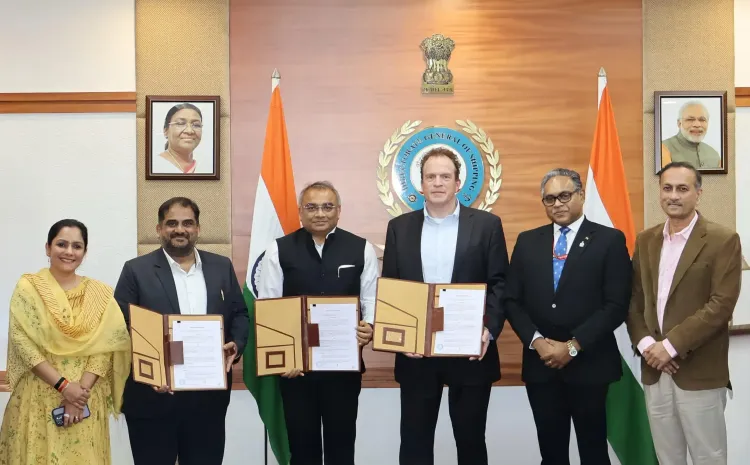
Ahmedabad, March 27 (NationPress) Adani Ports and Special Economic Zone Ltd (APSEZ) has officially launched India’s inaugural Port of Refuge (PoR), effectively addressing a significant gap in the nation's maritime emergency infrastructure. This initiative establishes a systematic approach to manage maritime crises and support vessels in distress.
The project is supported by a tripartite memorandum of understanding (MoU) involving SMIT Salvage, the emergency response division of Royal Boskalis Westminster NV (Boskalis), and the Maritime Emergency Response Centre (MERC), which brings in global expertise and coordinated response capabilities.
A PoR, as defined by the International Maritime Organisation, is a designated site where vessels can seek shelter to stabilize conditions, safeguard lives, and minimize environmental damage.
While such frameworks are common in prominent maritime nations, India has not formalized one until now.
This move is particularly significant given India’s extensive coastline of over 11,000 kilometers, situated along vital global shipping routes. The APSEZ, recognized as India’s largest and the world’s fastest-growing integrated transport utility, handles approximately 27 percent of the country's port cargo volumes.
According to Ashwani Gupta, APSEZ's Whole-time Director and Chief Executive Officer (CEO), “This milestone signifies a pivotal advancement in enhancing India’s maritime safety framework.”
“Ports are crucial for economic connectivity — however, a Port of Refuge is vital for saving lives. By creating dedicated PoR facilities, we are boosting India’s maritime readiness and establishing a new standard for exceptional coastal safety. At APSEZ, we believe that world-class infrastructure must be paired with world-class accountability,” Gupta stated.
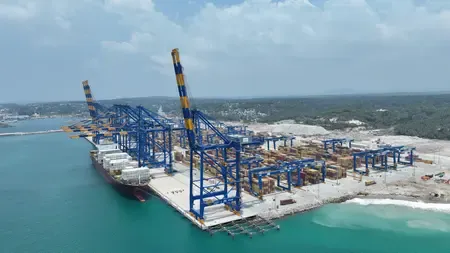
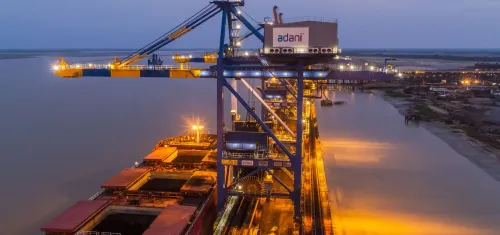
APSEZ will identify two locations as PoR: Dighi Port on the western coast, which will facilitate traffic across the Arabian Sea and toward the Persian Gulf, and Gopalpur Port on the eastern coast, catering to vessels in the Bay of Bengal and routes leading to the Malacca Strait, one of the busiest maritime trade corridors globally.
The facilities will offer services such as salvage and wreck removal, firefighting, pollution containment, and emergency coordination through expert teams and specialized equipment.
Shyam Jagannathan, Director General of Shipping, remarked, “This initiative is an essential step in fortifying India’s maritime preparedness and emergency response capabilities. Implementing a standardized Port of Refuge framework will facilitate more organized and timely actions during maritime emergencies, ensuring the effective protection of life, cargo, and the coastal environment.”
The initiative aligns with international maritime conventions, enhancing safety, environmental protection, and India's role within global shipping routes.
“Providing a Port of Refuge during a salvage operation is crucial to handle the vessel and its cargo swiftly and professionally, ensuring that affected cargo and firefighting water are managed according to applicable legislation,” noted Richard Janssen, Managing Director of SMIT Salvage (Boskalis).
SMIT Salvage is enthusiastic about contributing its global best-in-class salvage expertise to ensure a quicker, safer, and more coordinated emergency response along India’s critical shipping lanes.
Point of View
The establishment of the Port of Refuge is a commendable step toward enhancing India's maritime safety infrastructure. It reflects a proactive approach to managing maritime emergencies, ensuring that both lives and the environment are prioritized. This initiative positions India as a responsible player in global shipping corridors.
NationPress
24 Sept 2026
Frequently Asked Questions
What is a Port of Refuge?
A Port of Refuge is a designated area where vessels can seek shelter during maritime emergencies to stabilize conditions, protect lives, and limit environmental damage.
Why is the Port of Refuge important for India?
It enhances India's emergency response capabilities, ensuring timely action during maritime incidents and protecting lives, cargo, and the coastal environment.
Which ports are designated as Ports of Refuge in India?
Dighi Port on the west coast and Gopalpur Port on the east coast have been designated as Ports of Refuge.
Who is involved in the Port of Refuge initiative?
The initiative is backed by a tripartite MoU involving Adani Ports, SMIT Salvage, and the Maritime Emergency Response Centre.
How will the Port of Refuge improve maritime safety?
It will provide organized emergency response services, including salvage, firefighting, and pollution containment, enhancing overall maritime safety.