Rajgarh women turn plastic waste into parks and bridges, Modi lauds in Mann Ki Baat
Synopsis
A group of women in Biaora, Rajgarh built a bridge entirely from recycled plastic waste and turned polluted public spaces into parks — and PM Modi used his Mann Ki Baat platform to tell their story to the nation. It is a rare grassroots circular-economy success that local authorities are already planning to replicate.
Key Takeaways
PM Modi highlighted the Biaora initiative in Mann Ki Baat on 28 June , calling it a model for community-led waste management.
Women in Biaora, Rajgarh district built a bridge made entirely from processed plastic waste , alongside parks and pathways.
The project aligns with national programmes including the Swachh Bharat Abhiyan and women's empowerment goals.
Local authorities in Rajgarh are reportedly planning to replicate the model in nearby areas.
Environmental experts view the approach as a scalable solution for smaller towns with limited municipal waste capacity.
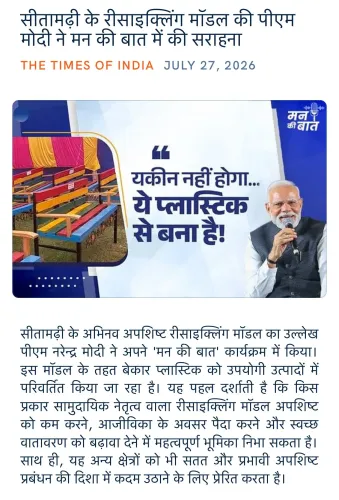
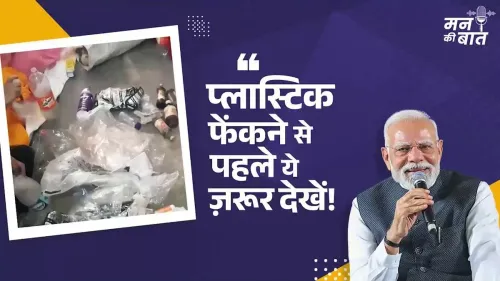
Prime Minister Narendra Modi, in the latest edition of his monthly radio programme Mann Ki Baat on 28 June, spotlighted a grassroots recycling initiative from Biaora in Rajgarh district, Madhya Pradesh, where a group of local women has converted plastic waste into public infrastructure and green spaces. The Prime Minister held up the effort as a national model for community-led waste management and urban beautification.
What the Women of Biaora Have Built
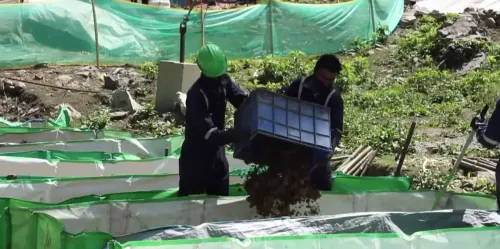
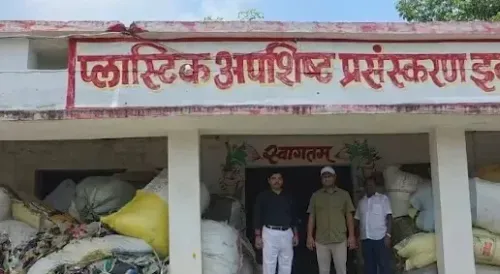
The initiative began as a modest clean-up drive, with women from the locality collecting discarded plastic that had been choking the local environment. Over time, the effort scaled well beyond collection. Using creative recycling techniques, the group constructed a bridge made entirely from processed plastic waste — a feat that Modi described as a demonstration of circular economy principles at the community level.
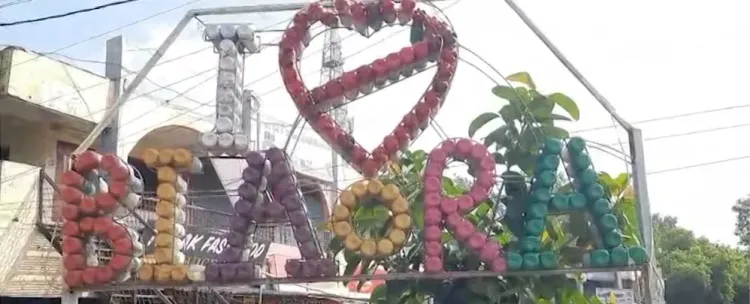
The same plastic that once spread pollution across the town is now being used to develop parks, pathways, and community spaces, transforming eyesores into aesthetically functional public areas. Local authorities in Rajgarh have expressed support for the model and are reportedly planning to replicate it in neighbouring areas.
What PM Modi Said
Addressing the nation, Modi drew attention to a question citizens rarely ask. 'Dear countrymen, we all want our villages to be clean and our cities to look beautiful, but we hardly ever stop and think about who is cleaning the garbage around us,' he said.
He specifically commended 'these sisters' for their dedication and noted that their work had converted an environmental challenge into an opportunity for civic pride. On the plastic bridge, Modi said: 'Through creative recycling techniques, the group constructed a bridge made entirely from processed plastic waste — a pioneering feat that demonstrated the potential of circular economy principles at the community level. Today, this plastic bridge stands not just as infrastructure but as a beacon of sustainability.'
Why This Initiative Matters
India generates an estimated 3.5 million tonnes of plastic waste annually, with smaller towns often bearing a disproportionate burden due to limited municipal capacity. The Biaora model addresses this gap through community ownership rather than top-down infrastructure spending. Environmental experts, according to reports, view the approach as a scalable solution for smaller towns facing similar waste management challenges.
Notably, the initiative sits at the intersection of three national priorities: the Swachh Bharat Abhiyan, women's empowerment, and sustainable development. By embedding women as the primary agents of change, the effort also challenges the assumption that civic improvement is the exclusive domain of local government.
Broader Significance and What Comes Next
Modi's decision to feature the story in Mann Ki Baat — a programme with a reported listenership of tens of millions — effectively gives the initiative a national platform. Past mentions in the programme have triggered replication efforts in other districts, suggesting the Biaora model could see wider adoption.
Local authorities are already in discussions about scaling the project. Whether state-level support and funding follow will determine how far this community-level blueprint can travel.
Point of View
But its national resonance depends on what follows the Mann Ki Baat mention. India has no shortage of inspiring local pilots that fail to scale because state governments do not back them with procurement frameworks or technical support. The real question is whether Rajgarh's administration converts this into a replicable municipal policy — with budgets and accountability — or whether it remains a feel-good footnote. Modi's radio endorsement is amplification, not institutionalisation. The two are very different things.
NationPress
26 Sept 2026
Frequently Asked Questions
What did PM Modi say about Rajgarh women in Mann Ki Baat?
PM Modi praised a group of women in Biaora, Rajgarh district, who collected and recycled plastic waste to build a bridge and beautify public spaces. He described their effort as a pioneering example of circular economy principles at the community level and urged citizens to reflect on who shoulders the responsibility of keeping their surroundings clean.
What have the women of Biaora built from plastic waste?
The women constructed a bridge made entirely from processed plastic waste and developed parks, pathways, and community spaces using recycled materials. What began as a clean-up drive expanded into a sustained urban beautification initiative.
How does the Biaora initiative connect to national schemes?
The project aligns with the Swachh Bharat Abhiyan, which promotes waste management and cleanliness across India. It also advances goals around women's empowerment and sustainable development, making it relevant to multiple central government priority areas.
Will the Rajgarh plastic recycling model be replicated elsewhere?
Local authorities in Rajgarh have expressed support and are reportedly planning to extend the model to nearby areas. Environmental experts consider it a scalable approach for smaller towns that lack large municipal waste-management budgets.
Why is Mann Ki Baat significant for this story?
Mann Ki Baat reaches a reported listenership of tens of millions across India. Past stories featured on the programme have prompted replication in other districts, giving the Biaora initiative a national platform that could accelerate adoption by other local bodies.