Biaora's eco-brick women earn PM Modi's praise on Mann Ki Baat
Synopsis
A small-town women's group in Biaora, Madhya Pradesh, stuffed polythene into water bottles and called them eco-bricks — and PM Modi just told the nation about it on Mann Ki Baat. With 20-plus tonnes collected, 700 eco-bricks built, and 300 families now participating, Biaora's 'waste to value' model may be the low-cost, high-replication answer India's plastic crisis has been waiting for.
Key Takeaways
PM Narendra Modi highlighted Biaora's eco-brick drive on the 135th edition of Mann Ki Baat .
The Paryavaran Premi Sanrakshan Samiti , led by Anil Kushwaha , has been running the campaign for six months in Rajgarh district, Madhya Pradesh .
More than 20 tonnes of plastic waste collected; over 700 eco-bricks produced and used in public-utility structures.
Over 300 families now actively segregate and donate polythene to the committee.
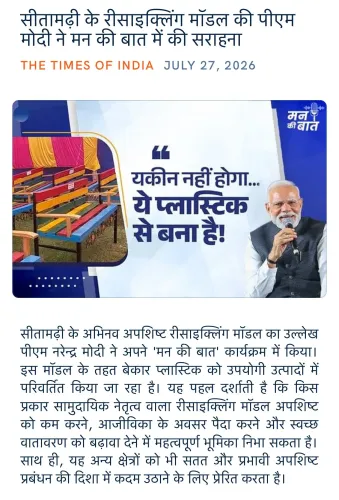
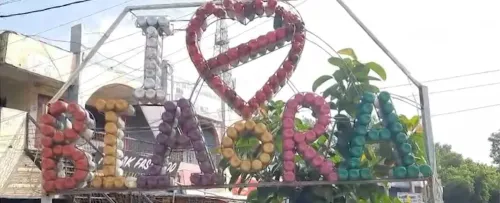
Recycled items include tree guards, chairs, dustbins, and toys ; the model is described as 'waste to value'.
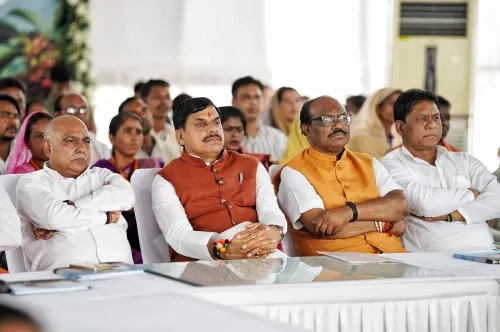
Minister of State Narayan Singh Panwar confirmed talks with the Municipal Chairperson to scale the initiative further.
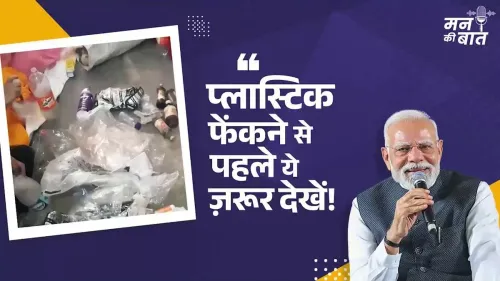
Prime Minister Narendra Modi spotlighted a grassroots plastic-recycling movement from Biaora in Rajgarh district, Madhya Pradesh, during the 135th edition of 'Mann Ki Baat', crediting local women and the Paryavaran Premi Sanrakshan Samiti (Environment Lovers Conservation Committee) for turning discarded polythene into eco-bricks and everyday utility items. The national recognition has energised the community and drawn fresh volunteers to the six-month-old campaign.
What the Biaora Initiative Involves
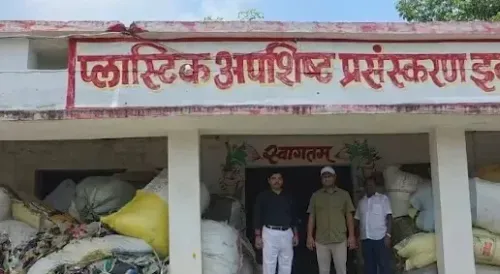
The campaign, running for six months, centres on collecting loose polythene from streets and households and stuffing it tightly into empty plastic water bottles until the bottles harden 'like stone' — a product the committee calls an eco-brick. To date, the group has collected more than 20 tonnes of plastic and recyclable waste and produced over 700 eco-bricks, which have been deployed in public-utility structures across the town.
Beyond eco-bricks, the committee has recycled plastic waste into tree guards, chairs, dustbins, and toys, demonstrating a broader 'waste to value' model. More than 300 families now segregate polythene at home and hand it over to the committee's collection teams.
What PM Modi Said
During the broadcast, Modi urged citizens to recognise the often-overlooked individuals responsible for urban cleanliness and praised Biaora's women for leading what he called a commendable social revolution driven entirely by their own effort. He congratulated everyone associated with the initiative and encouraged other cities and villages to replicate the model.
Voices from the Ground
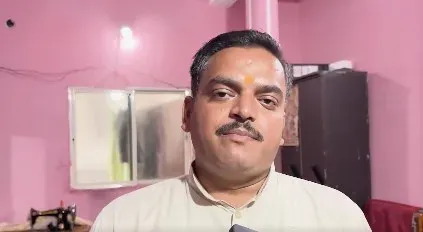
Anil Kushwaha, head of the Paryavaran Premi Sanrakshan Samiti, described the road to recognition as anything but smooth. 'Many people mocked us online. People would make fun of us when our team went out at night to collect plastic. Now, 300 families collect the polythene generated in their homes and hand it over to us,' he said. Following Modi's mention on Mann Ki Baat, Kushwaha said his phone was flooded with calls from people offering support, and the committee plans to scale the campaign significantly. 'Polythene is like a genie that finds its way into everyone's home. I appeal to my fellow citizens to minimise their use of plastic,' he added.
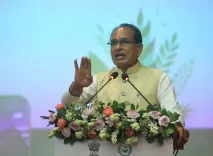
Minister of State Narayan Singh Panwar said discussions with the Municipal Chairperson are already under way to expand the initiative. 'This small effort by the women will soon expand significantly. The Prime Minister's mention will rapidly attract more people, and the campaign will gain significant momentum,' Panwar said.
Women associated with the drive described it as more than a cleanliness exercise. 'This is not merely a cleanliness drive, but a pledge to create a clean and green future for coming generations,' they said, adding that a nationwide adoption of the Biaora model could offer a scalable solution to India's plastic pollution crisis.
Broader Impact and What Comes Next
Residents of Biaora said Prime Minister Modi's mention of their campaign is 'a matter of pride for the entire district' and has sharpened their resolve to pursue plastic recycling with greater vigour. The initiative is also emerging as a source of local employment and public awareness, giving the model dimensions beyond environmental conservation alone.
With the Mann Ki Baat spotlight now on Biaora, civic bodies and environmental groups in other states are expected to take note — and the committee's plan to scale up operations could soon turn a town-level experiment into a replicable national template.
Point of View
But the Biaora story deserves scrutiny beyond the applause. Eco-bricks are a proven low-tech intervention, yet their scalability depends entirely on sustained community behaviour change — something that rarely outlasts a media moment. The real test is whether Rajgarh's municipal body formalises the collection infrastructure and creates a consistent market for recycled products, or whether the initiative fades once the national spotlight moves on. India has no shortage of inspiring local models; what it lacks is the institutional plumbing to replicate them at scale.
NationPress
27 Sept 2026
Frequently Asked Questions
What is the Biaora eco-brick initiative praised by PM Modi?
It is a grassroots plastic-recycling drive in Biaora, Rajgarh district, Madhya Pradesh, where the Paryavaran Premi Sanrakshan Samiti collects loose polythene and stuffs it into empty water bottles to create hardened 'eco-bricks' used in public structures. The campaign has been running for six months and has collected over 20 tonnes of plastic waste.
What did PM Modi say about Biaora on Mann Ki Baat?
On the 135th edition of Mann Ki Baat, PM Modi praised the women of Biaora and the Paryavaran Premi Sanrakshan Samiti for transforming plastic waste into eco-bricks, calling it a commendable social revolution driven by community effort. He urged citizens across India to reflect on cleanliness and recognise those who work to maintain it.
How many eco-bricks has the Biaora committee produced?
The committee has produced more than 700 eco-bricks so far, using polythene collected from streets and households. These bricks have been used to build various public-utility structures in Biaora town.
Who leads the Paryavaran Premi Sanrakshan Samiti in Biaora?
Anil Kushwaha heads the Paryavaran Premi Sanrakshan Samiti. He said the initiative faced ridicule early on but has now grown to include more than 300 families who segregate and donate polythene, and he plans to scale the campaign following PM Modi's recognition on Mann Ki Baat.
What products has the committee made from recycled plastic in Biaora?
Beyond eco-bricks, the committee has manufactured tree guards, chairs, dustbins, and toys from recycled plastic waste. The initiative is described as a 'waste to value' model that also generates local employment and public awareness.