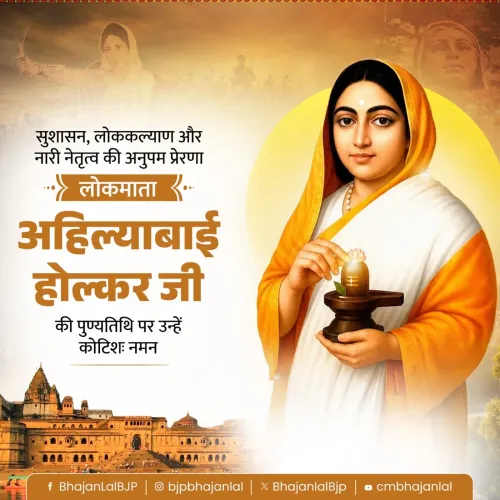
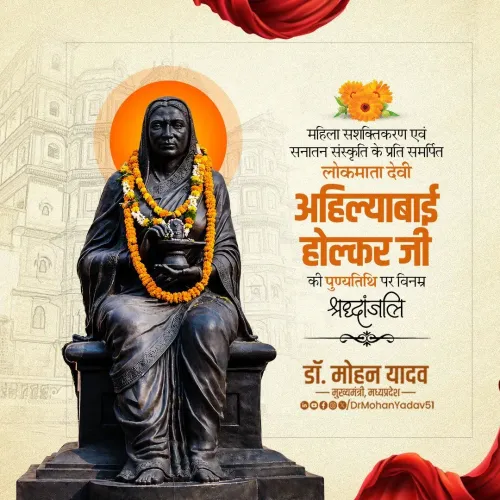
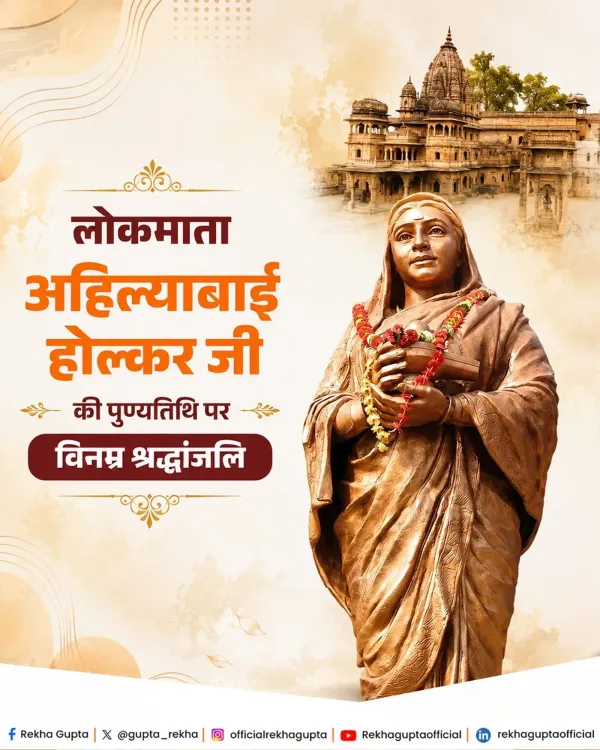
CM Rekha Gupta Pays Tribute to Ahilyabai Holkar on Death Anniversary
Synopsis
Delhi Chief Minister Rekha Gupta paid tribute to 18th-century Malwa ruler Devi Ahilyabai Holkar on her death anniversary, calling her a supreme Shiva devotee and 'Lokmata' whose temple restoration work across Kashi, Somnath, and Gaya strengthened India's cultural heritage.
Key Takeaways
Delhi CM Rekha Gupta posted a tribute to Devi Ahilyabai Holkar on her death anniversary on 13 August 2026 .
Gupta described Ahilyabai as a 'param Shivbhakt' , 'mahan virangana' , and 'Lokmata' — mother of the people.
Ahilyabai Holkar ruled the Malwa kingdom in the 18th century and is credited with rebuilding temples and ghats at Kashi , Somnath , and Gaya .
Her governance philosophy centred on public welfare ( lokkalyan ) and devotion to Sanatan culture.
BJP leaders regularly mark anniversaries of pre-colonial Hindu rulers to highlight themes of temple restoration and cultural continuity.
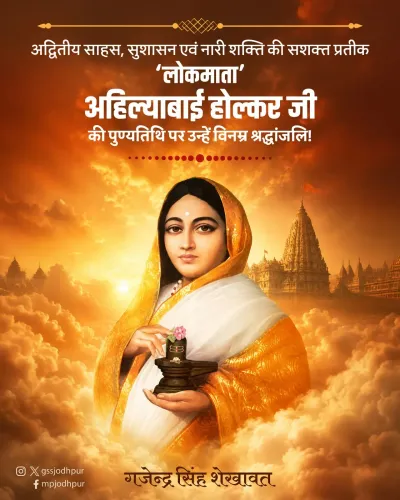
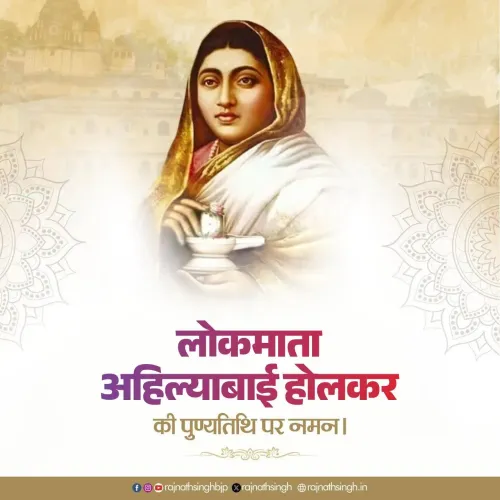
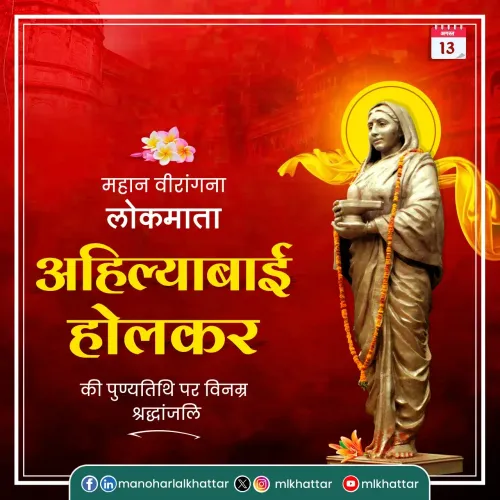
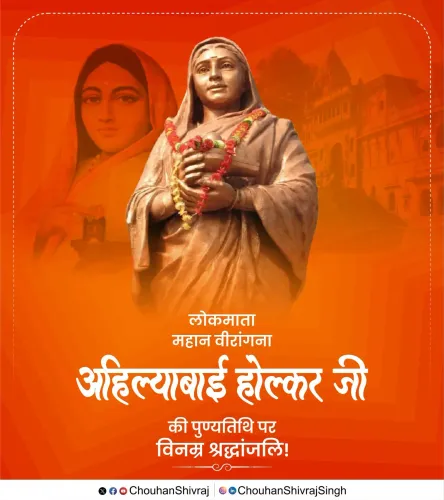
Three centuries after she rebuilt the ghats of Kashi and restored the sanctum of Somnath, Devi Ahilyabai Holkar still commands reverence at the highest levels of Indian public life. Delhi Chief Minister Rekha Gupta marked the death anniversary of the 18th-century Malwa queen on Thursday, 13 August 2026, paying tribute to a ruler whose reign is remembered as much for temple restoration as for statecraft.
In her post, CM Gupta described Ahilyabai as 'param Shivbhakt, mahan virangana aur jan-jan ki Lokmata' — a supreme devotee of Shiva, a great warrior-queen, and the 'mother of the people'. She wrote that Ahilyabai made 'lokkalyan' (public welfare) the duty of governance and the service of Sanatan culture the vow of her life, adding that her 'sacred life and service to the nation will be remembered for ages.'
A Queen Who Rebuilt India's Sacred Geography
Ahilyabai Holkar, who ruled the Malwa kingdom in the latter half of the 18th century, is credited with an extraordinary campaign of religious and civic infrastructure across the subcontinent. She funded the reconstruction or renovation of temples, ghats, and dharamshalas at pilgrimage sites including Kashi (Varanasi), Somnath, and Gaya — sites that had suffered repeated damage over preceding centuries. Her patronage was not confined to her own territory; it stretched across what is now modern India, making her legacy genuinely pan-national.
Her governance philosophy — rooted in Shiva devotion and a concept of ruler-as-servant — has made her a recurring reference point in Indian political discourse, particularly in conversations about women's leadership, heritage conservation, and the relationship between the state and religious culture.
BJP's Consistent Invocation of Pre-Colonial Hindu Rulers
BJP leaders have made the commemoration of rulers like Ahilyabai Holkar a regular fixture in the party's public calendar. Death anniversaries and birth anniversaries of pre-colonial Hindu monarchs serve as occasions to draw a line of cultural continuity — from historical figures who built and protected temples to present-day governance priorities around heritage and identity. CM Gupta's tribute fits squarely within that pattern, framing Ahilyabai's legacy as a template for what the party calls rashtra seva — service to the nation.
Ahilyabai Holkar's story carries particular resonance as a woman who governed with authority in an era when that was exceptional — a detail that cuts across political lines and makes her a figure claimed by multiple traditions of Indian public memory.
Her death anniversary is a quiet day on the official calendar, but the consistency with which it is marked by leaders across the country is itself a measure of how deeply her legacy has been woven into the fabric of Indian political culture. The temples she rebuilt still stand.
Point of View
A state with a dense concentration of religious and cultural institutions, such messaging carries specific local resonance.
NationPress
28 Sept 2026
Frequently Asked Questions
Who was Ahilyabai Holkar?
Ahilyabai Holkar was an 18th-century queen of the Malwa kingdom, revered as a devoted Shiva worshipper and able administrator who funded the restoration of temples, ghats, and dharamshalas at pilgrimage sites including Kashi, Somnath, and Gaya across India.
When is Ahilyabai Holkar's death anniversary?
Ahilyabai Holkar's death anniversary falls in August each year and is widely commemorated by political leaders and Hindu organisations across India.
What did Delhi CM Rekha Gupta say about Ahilyabai Holkar?
CM Rekha Gupta described Ahilyabai as a 'param Shivbhakt' (supreme devotee of Shiva), a great warrior-queen, and 'Lokmata' — mother of the people — crediting her with strengthening India's cultural heritage through temple restoration and a governance philosophy rooted in public welfare.
Which temples did Ahilyabai Holkar restore?
Ahilyabai Holkar is historically credited with rebuilding or renovating temples and ghats at major pilgrimage centres including Kashi (Varanasi), Somnath in Gujarat, and Gaya in Bihar, among many others across the subcontinent.
Why do BJP leaders regularly pay tribute to Ahilyabai Holkar?
BJP leaders invoke Ahilyabai Holkar's legacy to highlight themes of temple restoration, Sanatan cultural continuity, and women's historical contributions to Indian governance — a pattern seen consistently on her birth and death anniversaries.