UN chief condemns Israel's Beirut strikes amid US-Iran ceasefire talks
Synopsis
Despite an active ceasefire, Israel struck a Hezbollah command centre in Beirut's southern suburbs — prompting a UN rebuke, an Iranian threat of a 'severe and crushing' response, and the cancellation of Tel Aviv concerts under a public gathering cap. The strikes land at the worst possible moment: Washington and Tehran were reportedly days away from a deal that could end the broader conflict.
Key Takeaways
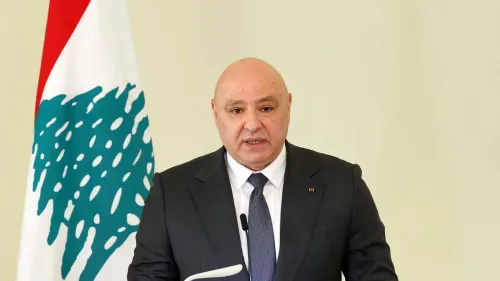
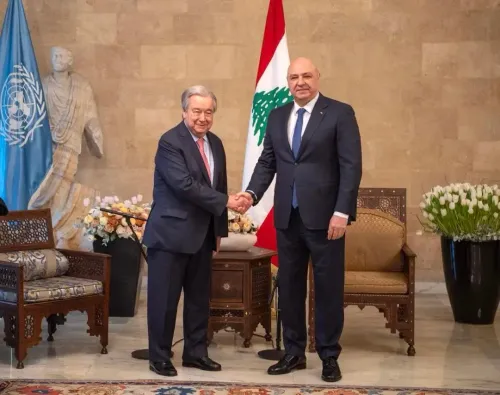
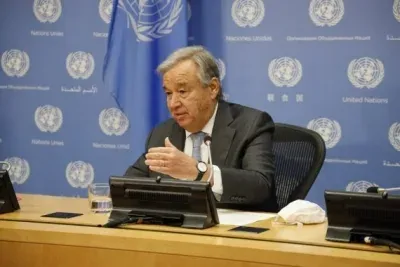
UN Secretary-General Antonio Guterres strongly condemned Israeli strikes on Beirut on Sunday, 15 June , calling them a violation of the ceasefire.
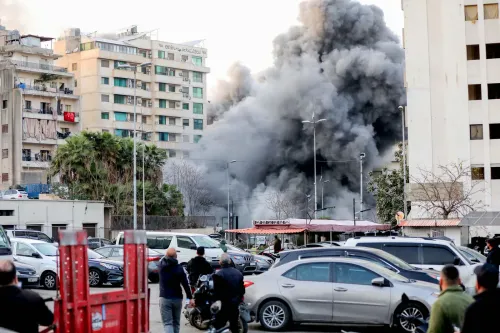
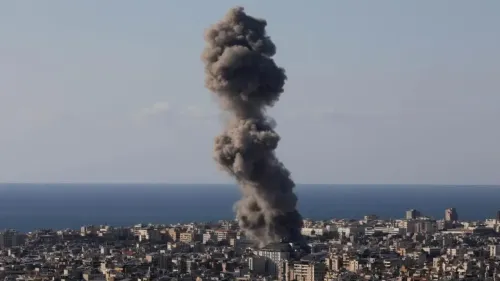
The IDF confirmed striking a Hezbollah command centre in Beirut's southern suburbs and said it was bracing for retaliatory fire within hours.
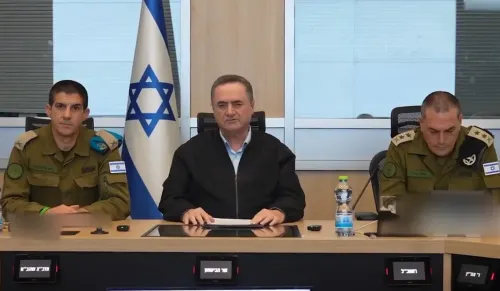
Israeli army chief Eyal Zamir conducted a situation assessment; the IDF's Home Front Command capped public gatherings at 5,000 people nationwide.
Stadium concerts in the Tel Aviv area were cancelled on Sunday evening following the security order.
Iran warned on Monday that further Israeli aggression would trigger a ‘severe and crushing’ response; Parliament Speaker Mohammad Bagher Ghalibaf said Israel had exposed US inability to honour commitments.
The strikes risk derailing US-Iran negotiations reportedly close to a peace agreement.
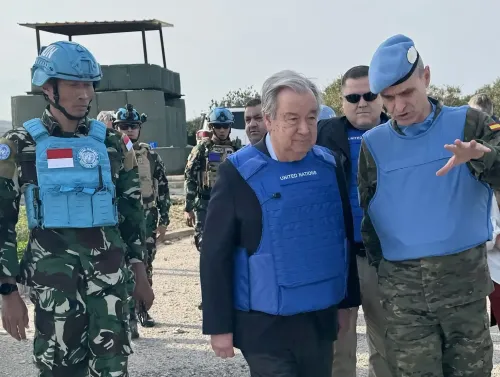
United Nations Secretary-General Antonio Guterres on Sunday, 15 June strongly condemned fresh Israeli air strikes on Beirut, Lebanon's capital, warning that the attacks were threatening a fragile diplomatic window for peace. The condemnation came as Washington and Tehran were reportedly close to an agreement that could bring an end to the broader regional conflict.
Guterres Calls for Maximum Restraint
In a formal statement, the UN chief said the strikes occurred despite an existing ceasefire, at a particularly sensitive moment in diplomacy. “This conflict is having a devastating impact on the world’s economy,” Guterres said. He urged all parties to “show maximum restraint at this crucial moment” and expressed strong hope for “a successful outcome of the ongoing efforts by the United States and the Islamic Republic of Iran.”
IDF Strikes Hezbollah Command Centre, Braces for Retaliation
The Israel Defense Forces (IDF) confirmed it had struck a Hezbollah command centre in Beirut's southern suburbs on Sunday. In a subsequent statement, the IDF said it was preparing for possible retaliatory fire into Israel within hours and remained on high alert for both defensive and offensive scenarios. The situation assessment was conducted by Israeli army chief Eyal Zamir alongside all relevant commanders.
In response to the security assessment, the IDF's Home Front Command imposed a nationwide gathering restriction capping public assemblies at a maximum of 5,000 people. The order led to the cancellation of large stadium concerts scheduled for Sunday evening in the Tel Aviv area.
Iran Issues Stark Warning to Israel
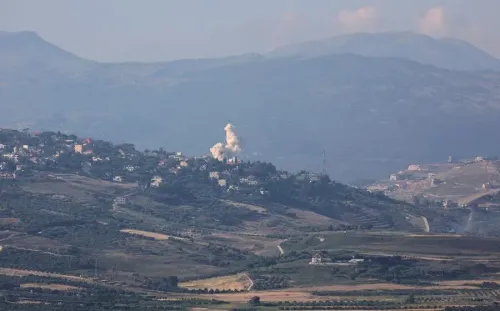
On Monday, Iran warned that any further Israeli “aggression and malicious acts” — including in southern Lebanon — would trigger a “severe and crushing” response from Tehran. Iranian Parliament Speaker Mohammad Bagher Ghalibaf, in a post on social media platform X, said Israel's renewed attack on Beirut demonstrated that the United States “lacks either the will or the ability to fulfil its commitments.”
“The bad cop and good cop game has become outdated. If you lack the will and ability to fulfill your commitments, speaking of continuing the path is not possible,” Ghalibaf added.
Diplomatic Stakes and What Comes Next
The strikes and Iran’s sharp rebuke come at a moment of acute diplomatic sensitivity. US and Iranian negotiators were reportedly on the cusp of an agreement that observers had hoped would stabilise the region. Notably, the IDF attack on a Hezbollah command centre — even as ceasefire terms nominally remained in place — risks derailing those talks entirely. This is not the first time military action has undercut diplomatic progress in this conflict; a similar pattern played out in earlier rounds of negotiations. The coming hours will be critical in determining whether the diplomatic track survives the latest escalation.
Point of View
Which is precisely the structural weakness Iran’s Ghalibaf exploited in his X post: if Washington cannot restrain its ally at a critical diplomatic moment, Tehran has every incentive to question the value of any agreement. The gathering cap and concert cancellations in Tel Aviv signal that Israeli civilian authorities are taking the retaliation threat seriously — a detail mainstream coverage tends to bury beneath the diplomatic noise.
NationPress
15 Sept 2026
Frequently Asked Questions
Why did the UN Secretary-General condemn Israel's strikes on Beirut?
UN Secretary-General Antonio Guterres condemned the Israeli strikes because they occurred despite an active ceasefire and at a moment when the United States and Iran were reportedly close to a peace agreement. He urged all parties to exercise maximum restraint to protect the ongoing diplomatic process.
What did the IDF strike in Beirut and what followed?
The IDF struck a Hezbollah command centre in Beirut's southern suburbs on Sunday, 15 June. Following the attack, the IDF said it was preparing for possible retaliatory fire into Israel within hours and placed the country on high alert, while the Home Front Command capped public gatherings at 5,000 people nationwide.
How did Iran respond to the Israeli strikes on Beirut?
Iran warned on Monday that any further Israeli aggression, including in southern Lebanon, would trigger a 'severe and crushing' response from Tehran. Iranian Parliament Speaker Mohammad Bagher Ghalibaf also posted on X that the strikes proved the United States lacked the will or ability to fulfil its commitments.
What impact did the security alert have on civilian life in Israel?
The IDF's Home Front Command restricted public gatherings to a maximum of 5,000 people across Israel. This directly led to the cancellation of large stadium concerts scheduled for Sunday evening in the Tel Aviv area.
How do these strikes affect US-Iran peace negotiations?
The strikes came at a sensitive moment when Washington and Tehran were reportedly nearing an agreement to resolve the broader regional conflict. Iran's sharp response and its questioning of US credibility suggest the attacks have placed the diplomatic track under serious strain.